The headlines are singing the same tired tune. Myanmar’s military junta grants amnesty to 10,000 prisoners. The global media treats it like a flicker of humanitarian hope or a softening of a hardline regime. It isn’t.
If you think a mass pardon before a parliamentary session is an olive branch, you aren’t paying attention to how authoritarian accounting works. This isn't a gesture of peace; it’s a strategic inventory flush. In the world of realpolitik, mercy is just another currency, and the junta is currently printing money to pay off a massive geopolitical debt.
The Mathematics of Disposable Human Capital
The "lazy consensus" suggests that releasing 10,000 people indicates a regime that is finally feeling the pressure of international sanctions and domestic resistance. The logic follows that if they are letting people go, they must be losing their nerve.
Wrong.
Authoritarian regimes do not release prisoners because they are weak. They release them because those specific bodies have lost their utility. I have watched political cycles in Southeast Asia for decades, and the "Pardon-and-Pivot" maneuver is a standard play. You arrest a surplus of bodies—students, activists, low-level offenders—during a crackdown. You hold them until the international community starts screaming about human rights. Then, you release the "low-value" assets right before a major diplomatic event or a sham parliamentary opening.
It’s a shell game. For every 10,000 petty thieves and non-violent protestors let out the front door, the regime is quietly ushering 100 high-value dissidents into deeper, darker cells through the back door.
The Parliament of Puppets
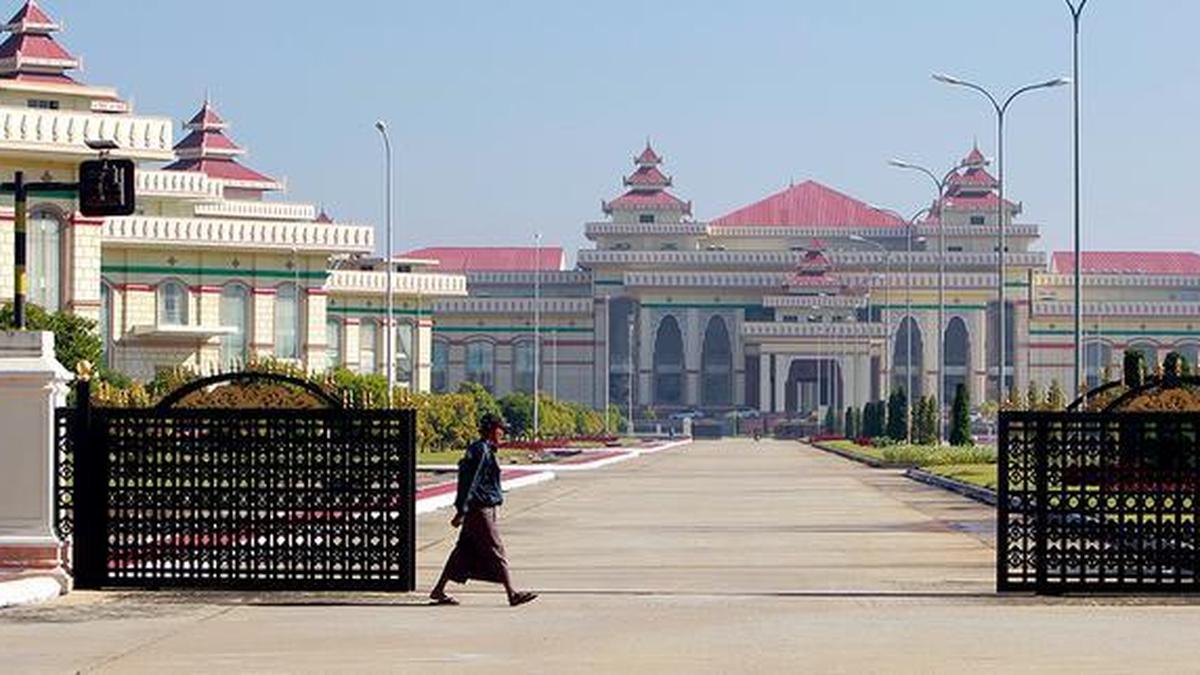
Let’s dismantle the "Parliament opens" narrative. The media frames the timing of these pardons as a way to "legitimize" the upcoming legislative session. This implies there is a shred of legitimacy to be found.
The military isn't trying to convince you that they are democratic. They are trying to give their few remaining regional allies—think neighbors who need Myanmar’s natural gas or strategic geography—a "good news" bullet point to use in their own defense.
When a junta official signs a pardon, he isn't thinking about civil liberties. He is thinking about the Total Cost of Incarceration (TCI) versus the Diplomatic Yield (DY).
- TCI: Feeding, guarding, and managing 10,000 people who have zero leverage.
- DY: A temporary cooling of international rhetoric and a "reset" button for regional trade talks.
By emptying the prisons of the "easy" cases, the military reduces its overhead while simultaneously claiming a moral high ground that doesn't exist. It’s a corporate restructuring of the penal system.
Why Foreign Direct Investment is the Real Target
Business analysts often miss the link between amnesties and the flow of capital. Myanmar’s economy is currently a scorched-earth zone. Traditional Western investors have fled, leaving a vacuum. But there is "gray capital" waiting on the sidelines—investors from jurisdictions that don't care about democracy but do care about optics.
A mass amnesty provides a thin veil of "stability" that these investors need to justify moving back in. If you are a CEO looking at Myanmar’s mineral wealth or its labor market, you don't need a democracy. You need a regime that looks like it has everything under control. A mass pardon says, "The rebellion is so thoroughly crushed that we can afford to be generous."
It is a signal of dominance, not a sign of surrender.
The Revolving Door Fallacy
People ask: "Isn't it still good that 10,000 people are home?"
Ask the families of those "released" how long the freedom lasts. In many cases, these pardons come with strings that would make a venture capitalist blush. The released are often placed under house arrest or "community monitoring," which effectively turns the entire country into an open-air prison.
Furthermore, the legal framework in Myanmar allows for the immediate re-arrest of any pardoned individual under the same or expanded charges if they "misbehave." This isn't freedom; it's a subscription-based liberty model where the junta can cancel your plan at any moment.
Dismantling the "People Also Ask" Nonsense
Is Myanmar becoming more democratic? No. It is becoming more efficient. Efficiency in an autocracy looks like a streamlined bureaucracy that knows exactly when to loosen the noose to prevent the victim from dying too early.
Will the pardons lead to peace? Peace requires a seat at the table for the opposition. This amnesty is a solo performance. There is no negotiation here. There is only a decree. Peace is a collaborative process; this is a PR stunt.
What should the international community do? Stop falling for the "progress" trap. When you reward a regime for releasing prisoners they should never have taken in the first place, you are incentivizing kidnapping as a diplomatic tool.
The Tactical Error of Optimism
The danger of the current media narrative is that it breeds a false sense of "mission accomplished." It allows foreign governments to soften sanctions under the guise of "encouraging positive steps."
If you want to understand the truth, stop looking at who is leaving the prisons and start looking at who is staying. The NLD leaders, the core intellectual resistance, and the young organizers who actually pose a threat to the military’s grip on the economy remain in solitary.
The 10,000 are the noise. The 500 who remain are the signal.
The New Authoritarian Playbook
We are seeing this play out globally, not just in Myanmar. From the Middle East to Central Asia, "Strategic Clemency" is the new black. It is the sophisticated way to manage a brand.
- Manufacture a Crisis: Crack down hard, arrest everyone.
- Hold for Maturation: Wait until the news cycle hits a fever pitch.
- The Great Release: Pardon a large, headline-grabbing number of non-threats.
- Collect the Reward: Secure a trade deal, an invited seat at a summit, or a reduction in sanctions.
It is a cynical, brilliant, and utterly effective way to maintain power while looking like you’re giving it up.
Stop looking for the "nuance" of hope in these numbers. There is no hope in a spreadsheet. The junta has calculated that 10,000 bodies are worth less than the temporary silence of the international press. They traded their surplus inventory for a moment of quiet.
Don't give it to them.
Next time you see a "pardon" headline, don't ask why they are letting them out. Ask what they are preparing to do next, now that they have the extra cell space.
Get your eyes off the gate and onto the gavel.