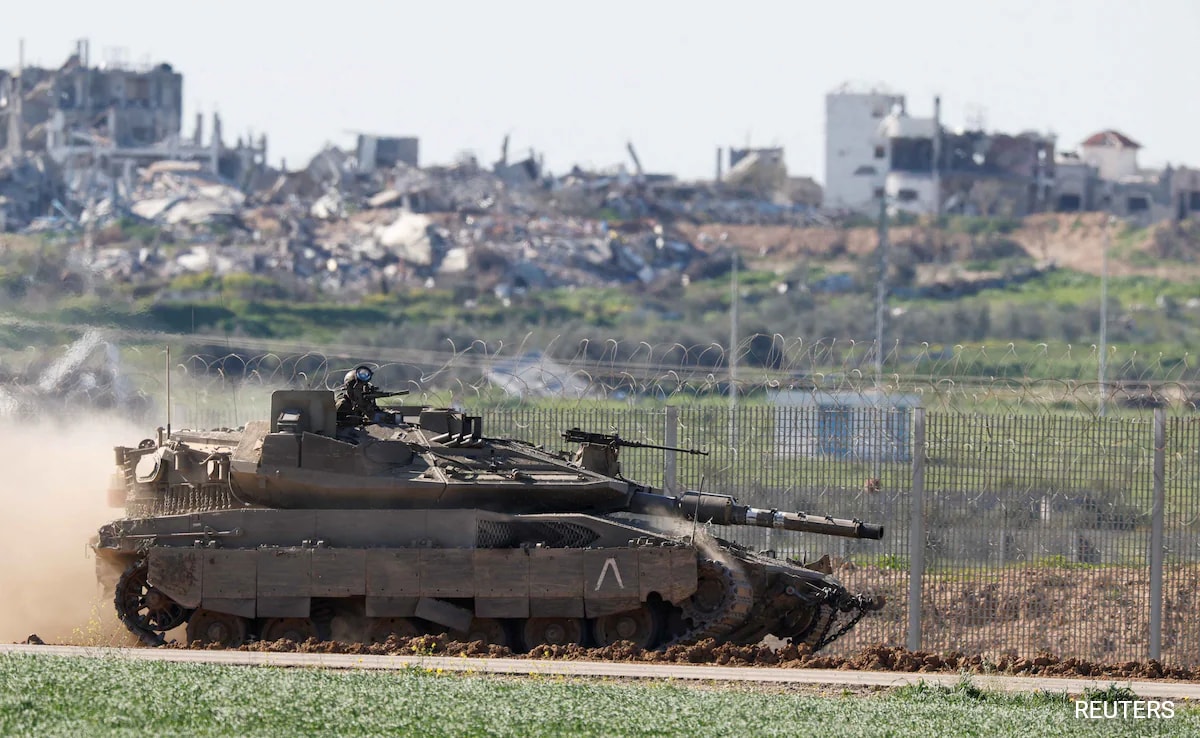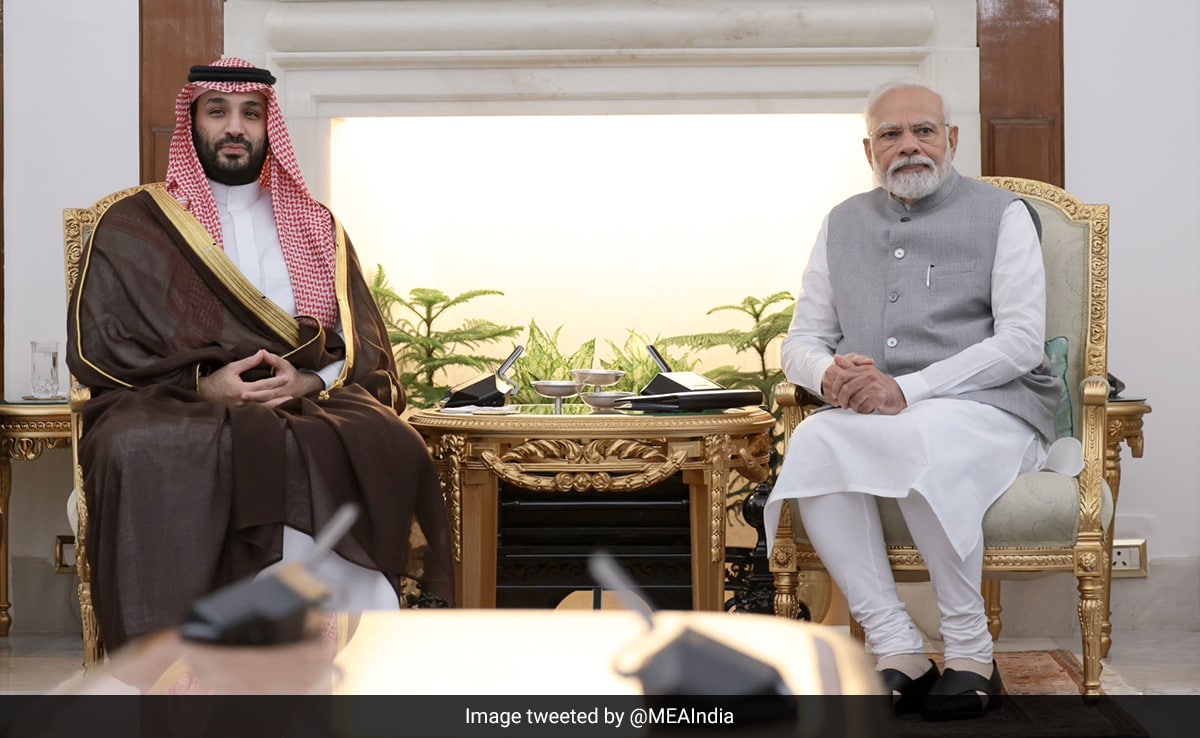
The Middle East isn't just "tense" anymore. It’s on fire. After the seismic shock of US-Israeli strikes that reportedly took out Iran’s Supreme Leader, the region has spiraled into a cycle of retaliation that’s now raining missiles on some of India’s closest partners. Prime Minister Narendra Modi isn't sitting this one out. In a series of high-stakes phone calls on Monday, he dialled Saudi Crown Prince Mohammed bin Salman and Bahrain’s King Hamad bin Isa Al Khalifa.
This isn't just about diplomatic pleasantries. India is currently walking a razor-thin tightrope. On one side, you’ve got a massive diaspora of nearly 9 million Indians living in the Gulf whose safety is suddenly a giant question mark. On the other, there’s the cold reality of energy security and a global economy that’s already twitching as oil prices look toward the ceiling.
The Message to Riyadh and Manama
Modi’s conversations with the Saudi Crown Prince and the Bahraini King were blunt. He condemned the recent Iranian drone and missile attacks that targeted their territories. Just hours before these calls, debris from intercepted drones caused a fire at Saudi Arabia’s Ras Tanura oil refinery. In Bahrain, the defense force had to intercept dozens of missiles and UAVs.
Modi didn't mince words about "sovereignty and territorial integrity." By using those specific terms, he’s signaling that India views these strikes not as collateral damage of an Iran-Israel spat, but as direct violations of the Gulf states' rights.
It’s a significant shift in tone. While India usually sticks to the "all sides should show restraint" script, the direct condemnation of attacks on Saudi and Bahraini soil shows who New Delhi is leaning toward right now.
What was actually said
- Solidarity: Modi expressed "firm solidarity" with the people of Bahrain and Saudi Arabia.
- Diaspora Safety: This was the big one. He thanked both leaders for looking after the Indian community. In times of war, the safety of millions of Indian workers is the government’s biggest domestic political headache.
- Regional Stability: Both sides agreed that "earliest restoration" of peace is the only way forward.
The Context You Aren't Getting Elsewhere
To understand why these calls happened today, you have to look at the timeline. This wasn't a random outreach. It followed a marathon meeting of the Cabinet Committee on Security (CCS) in Delhi.
The Indian government is clearly spooked by the scale of the escalation. We’re talking about "Operation Epic Fury" and "Operation True Promise 4." These aren't just names; they represent a fundamental shift in how war is being fought in West Asia. The assassination of a head of state—even one as controversial as Khamenei—is a "black swan" event that changes every rule in the book.
India’s opposition parties, like the Congress, have already criticized the "targeted assassination" as a hit to international order. Modi, however, is playing the pragmatic long game. He’s not getting bogged down in the morality of the strikes on Tehran. Instead, he’s focusing on the fallout: the missiles hitting his energy suppliers and the safety of the people sending remittances back to Kerala and UP.
The Economic Gut Punch
If you think this is just a "foreign news" story, check your local petrol pump or your SIP returns. The Sensex already took a 2,700-point dive as news of the escalation broke.
India gets a massive chunk of its crude from the very region currently being used as a firing range. While officials claim India has a 40-45 day oil cover, a prolonged conflict that shuts down shipping lanes or destroys refinery infrastructure like Ras Tanura will make "inflation" a very scary word again.
Why India is uniquely vulnerable
- The Diaspora: Millions of Indians in the UAE, Saudi, and Qatar are in the direct line of fire.
- Energy: Any disruption in the Strait of Hormuz is a direct hit to the Indian economy.
- Strategic Projects: Projects like the India-Middle East-Europe Economic Corridor (IMEC) are basically on ice until the smoke clears.
What Happens Now
Don't expect India to join a military coalition. That’s not how New Delhi rolls. Expect more of what we saw today: high-level "telephone diplomacy."
The government’s immediate priority is likely a massive contingency plan for evacuations, though nobody wants to say that word out loud yet because it triggers panic. For now, the focus is on keeping the lines open with Riyadh, Abu Dhabi, and Manama.
If you're tracking this, watch the oil markets and the flight paths over the Gulf. If commercial airlines start avoiding the region entirely, you'll know the "restoration of peace" Modi talked about is a long way off.
Keep an eye on the Ministry of External Affairs' travel advisories. If you have family in the Gulf, ensure they are registered with the local Indian Embassy. This is the most practical step anyone can take right now as the regional situation remains incredibly volatile.