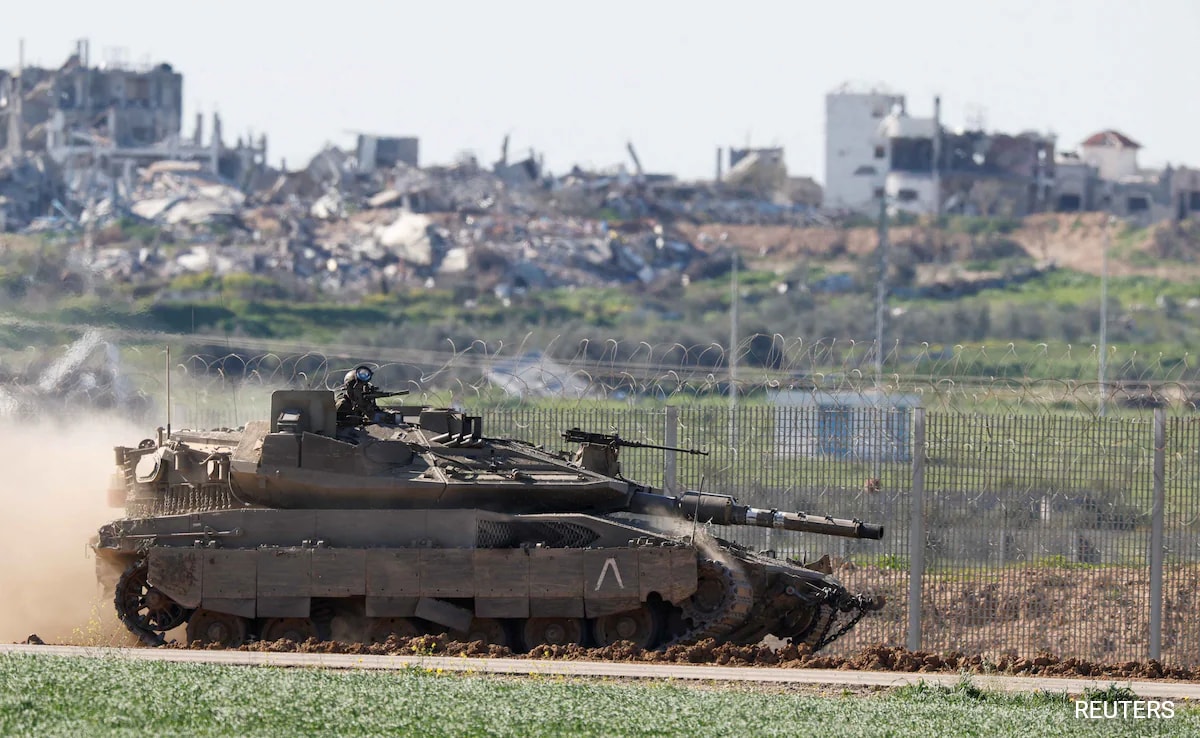
"No new wars." That was the pitch. It was the drumbeat of the 2024 campaign and the cornerstone of the America First doctrine. But as of March 2026, the reality on the ground in the Middle East tells a different story. With Operation Epic Fury now entering its third day, the United States isn't just "showing strength"—it’s in the middle of a major combat operation that has already claimed American lives.
If you’re feeling a bit of whiplash, you aren't alone. On February 28, 2026, the world woke up to the news that U.S. and Israeli forces had launched a massive wave of strikes across Iran. The goal? According to the White House, it's about "annihilating" the Iranian navy and permanently dismantling a nuclear program that the administration says reached a breaking point after failed negotiations in Oman. But for the four U.S. service members confirmed dead as of this morning, the "no new wars" promise is a ghost.
The Mission Creep No One Admitted
President Trump has spent the last 48 hours on Truth Social and in White House briefings insisting this is a "four to five week" operation. He says we’re "ahead of schedule." But anyone who has watched American foreign policy over the last thirty years knows exactly how this goes. You start with "surgical strikes," and you end up with "sustained resistance."
The administration’s objectives are massive:
- Destroying Iran's ballistic missile capabilities.
- Wiping the Iranian Navy off the map.
- Preventing Tehran from ever obtaining a nuclear weapon.
- Ensuring the "Axis of Resistance" proxy groups are cut off from their funding.
Those aren't weekend tasks. Defense Secretary Pete Hegseth admitted today at the Pentagon that while this isn't an "endless war," it is "just the beginning." When the Chairman of the Joint Chiefs, Gen. Dan Caine, refuses to hang a timeframe on the mission, you should probably start worrying.
The Human Cost of Strategic Ambition
We’ve already seen the first American casualties. CENTCOM confirmed that four service members have been killed in action since Saturday. One of them died from injuries sustained during Iran’s initial retaliatory strikes against U.S. bases in the Persian Gulf. This isn't a lopsided video game. Iran hit back, and they hit hard.
Missiles and drones have reached U.S. assets in Bahrain, Kuwait, Qatar, and the UAE. In Bahrain, the U.S. Fifth Fleet headquarters was a direct target. In Kuwait, three U.S. fighter jets were downed—ironically by Kuwaiti air defenses in the chaos of the crossfire. Thankfully, those crews survived, but the friction of war is already grinding down the "clean" narrative the White House is trying to sell.
Why Diplomacy Failed and Bombs Started Falling
The path to this moment was paved with the collapsed negotiations in Muscat earlier this February. The U.S. delegation, which included Steve Witkoff and Jared Kushner, demanded a total dismantle of Iran’s nuclear and missile programs. Iran countered with a demand for a full lift of sanctions first.
When the 10-day deadline Trump set on February 20 passed without a deal, the "maximum pressure" campaign turned into maximum kinetic action. The death of Supreme Leader Ali Khamenei in a Saturday strike has created a massive power vacuum. Trump is now calling on the Iranian people to "take back their country."
It sounds noble. But in practice, we’re asking unarmed civilians to do the work of ground troops while we provide the air cover. It’s a regime-change strategy wrapped in the language of liberation, a move that looks strikingly similar to the Bush-era policies Trump once built his political identity attacking.
The Home Front is Already Shifting
The polls coming out this morning should be a wake-up call for the administration. A Reuters/Ipsos poll shows only 27% of the public supports these strikes. Even among Republicans, support is brittle. About 42% of GOP voters say they’ll pull their support if more U.S. troops are killed.
Congress is also waking up. Senators like Tim Kaine and Mark Kelly are pushing for a War Powers Resolution vote as early as Wednesday. They’re arguing that launching "major combat operations" without a congressional vote is a flagrant abuse of power. Trump’s team argues that Article 51 of the UN Charter—self-defense—gives them the right to strike first to prevent a "grave threat."
What Actually Happens Next
Don't expect this to wrap up in five weeks. History says otherwise. Iran has already threatened to close the Strait of Hormuz, a move that would choke a fifth of the world’s oil supply and send gas prices at home into the stratosphere.
If you want to keep track of where this is going, watch these three things:
- The War Powers Vote: If Congress passes a resolution to curb the war, we’re looking at a full-blown constitutional crisis.
- The Strait of Hormuz: If the IRGC successfully blocks tankers, the economic fallout will turn the American public against this war faster than any casualty count.
- The "Interim Leadership" in Tehran: With Khamenei gone, the Quds Force is lashing out. If they successfully strike a major U.S. asset or a residential area in a partner nation like the UAE, the pressure to send in boots on the ground will become nearly impossible for this White House to resist.
The "no new wars" era is over. We’re in a new one now, and it looks a lot like the old one. Keep an eye on the CENTCOM briefings and the price of crude oil—those are your real indicators of how long this "four-week" mission is actually going to last.