The air in Kuwait during the transition from winter to spring doesn’t just sit; it weighs. It is a thick, pressurized blanket of dust and humidity that tastes faintly of salt and jet fuel. On a night when the horizon is lit by the unnatural amber glow of distant flares and the sharp, rhythmic pulse of anti-aircraft batteries, that air becomes a conductor for a very specific kind of dread.
It is the sound of a turbine failing.
When a multi-million-dollar piece of American aerospace engineering loses its fight with gravity, it doesn't sound like the movies. There is no long, whistling crescendo. Instead, there is a sudden, sickening tear—the sound of physics reclaiming what was borrowed. Then, a silence so profound it feels like a physical blow.
Recent reports from the Northern Persian Gulf paint a sterile picture: "Several U.S. military aircraft lost due to technical failure and environmental factors during ongoing regional kinetic activity." The words are gray. They are designed to be ignored. But for the crews on the ground and the pilots staring at a darkening HUD (Heads-Up Display), the reality is a visceral struggle against a world that has suddenly turned hostile.
The Ghost in the Machine
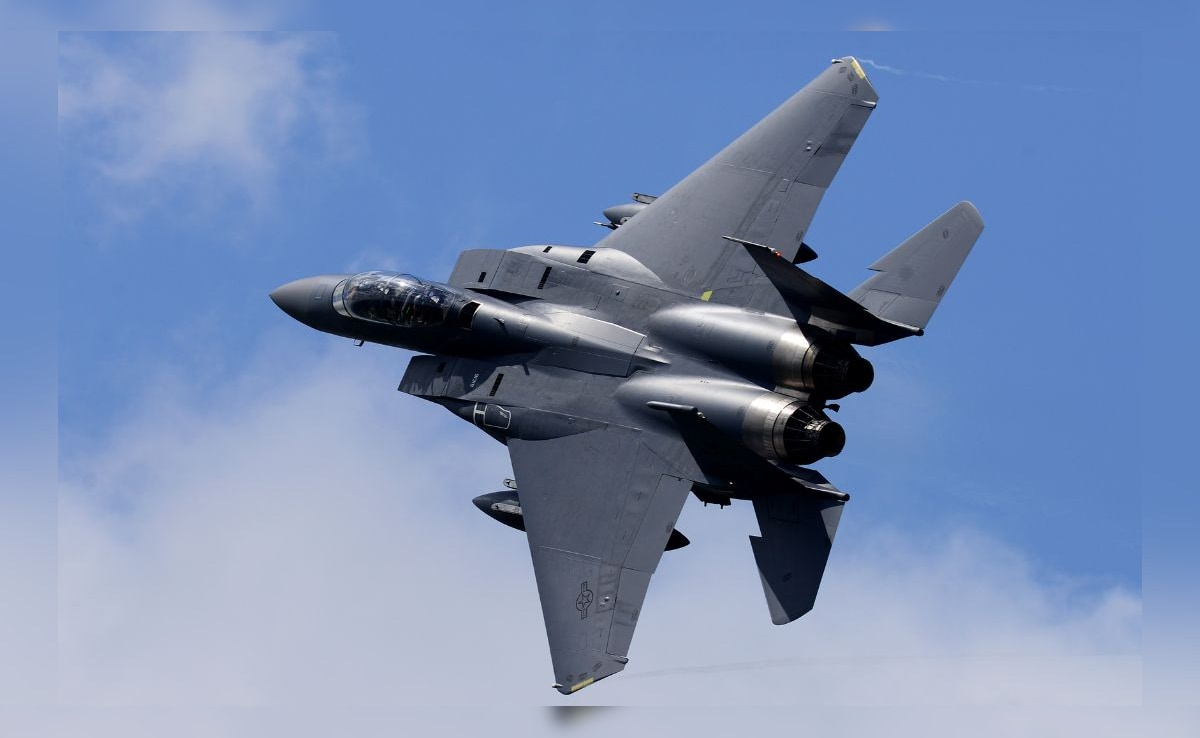
Modern warfare is often sold as a symphony of precision. We are told that our sensors see everything, our engines are infallible, and our GPS is a divine tether to reality. This is a lie we tell ourselves to sleep better. In the cockpit of an F/A-18 or the cramped hold of a transport bird over the Kuwaiti sands, the "cutting edge" feels remarkably brittle.
Imagine a pilot—let’s call him Miller. Miller has ten thousand hours of flight time. He knows his airframe better than he knows his own children. But Miller is flying through a "saturated electronic environment." This is the polite military term for a sky filled with invisible noise. Iranian strikes across the border aren't just sending kinetic missiles; they are vomiting waves of electromagnetic interference.
When a drone or a missile enters the airspace, the defensive suites of every nearby aircraft go into overdrive. The sensors are screaming. They are trying to distinguish between a legitimate threat, a decoy, and the natural clutter of a desert storm. In this chaos, the flight computer—the very brain of the aircraft—can experience what technicians call "bit flip" or a logic loop.
Miller sees his altimeter flicker. Just once.
It is a small thing. A digit jumps. A warning light glows a soft, deceptively calm amber. But in a high-G turn, or while trying to navigate a low-visibility corridor to avoid detection, that flicker is the beginning of the end. The aircraft isn't being "shot down" in the traditional sense. It is being confused into the ground.
Sand, Salt, and the Weight of Entropy
The desert is not a vacuum. It is a grinding wheel.
The sand in Kuwait is silty and pervasive. It finds its way past seals that are supposedly airtight. It coats the ceramic blades of jet turbines, creating a microscopic layer of glass when the heat of the engine reaches a certain threshold. This is "sulfidation," a slow-motion rot that eats the heart of a billion-dollar fleet.
- Heat thins the air, robbing the wings of lift.
- Dust chokes the intakes, forcing the engines to run hotter and harder.
- Humidity from the Gulf corrodes the delicate avionics that manage the fly-by-wire systems.
When you add the stress of combat maneuvers to this environmental decay, the margins for error vanish. We think of these machines as invincible titans. In reality, they are more like high-strung thoroughbreds being forced to run a marathon through a sandstorm. Eventually, a heart bursts.
The recent crashes weren't a result of a single catastrophic explosion. They were the culmination of a thousand small, invisible fractures. A hydraulic line that had been vibrated one too many times. A sensor that finally gave up after being bombarded by jamming signals for six hours straight.
The Human Cost of the Invisible
We focus on the hardware because it is easier to replace than the soul.
When an aircraft goes down in a "non-combat related incident," the narrative often shifts to the wreckage. We talk about recovery teams, debris fields, and black boxes. We rarely talk about the person in the seat.
Consider the mental load of a pilot operating in this theater. They are not just flying; they are managing a frantic, digital ecosystem while knowing that the ground below is a graveyard of previous empires. The psychological toll of "active interference" is immense. You stop trusting your instruments. You start "seat-of-the-pants" flying, which is a one-way ticket to spatial disorientation in a featureless desert night.
Miller feels the tilt. His inner ear tells him he is level. The flickering HUD tells him he is in a five-degree bank. The darkness outside is absolute. Which one does he trust?
In that split second of hesitation, the desert wins.
This isn't just about Kuwait, and it isn't just about this week's headlines. It is a harbinger of a new kind of friction in global conflict. We are entering an era where the environment and the electromagnetic spectrum are just as lethal as any surface-to-air missile. The "safe zones" are gone because the air itself has been weaponized—not by gas or chemicals, but by the sheer volume of data and interference we have pumped into it.
The Vanishing Horizon
The news will move on. The "technical failures" will be logged in a spreadsheet in a basement in Virginia. New airframes will be shipped out to replace the ones currently being picked apart by salvage crews in the sand.
But the reality remains.
We have built a world so complex that we can no longer guarantee its stability. Our most advanced tools are failing not because they are weak, but because they are too sensitive for the brutal, chaotic reality of the world they are meant to dominate. The sky over Kuwait isn't just a battlefield; it's a laboratory proving that in the contest between high-tech precision and raw, elemental chaos, the chaos doesn't need to aim. It only needs to wait.
Somewhere out there, in the dark between the dunes, a red light is blinking on a dashboard. It is a tiny, lonely star in a cockpit filled with smoke. The pilot isn't thinking about geopolitics or the price of oil. He is thinking about the sound of the wind, the smell of ozone, and the terrifying realization that the ground is much closer than the computer says it is.
The desert is patient. It has seen many wings fall. It knows that eventually, everything returns to the dust.
The silence that follows a crash is the loudest sound in the world. It is the sound of a billion dollars and a human life being erased by a grain of sand and a localized glitch. It is the sound of the future hitting a wall of old, uncompromising earth.
And the flares continue to burn, indifferent, against a sky that no longer belongs to us.