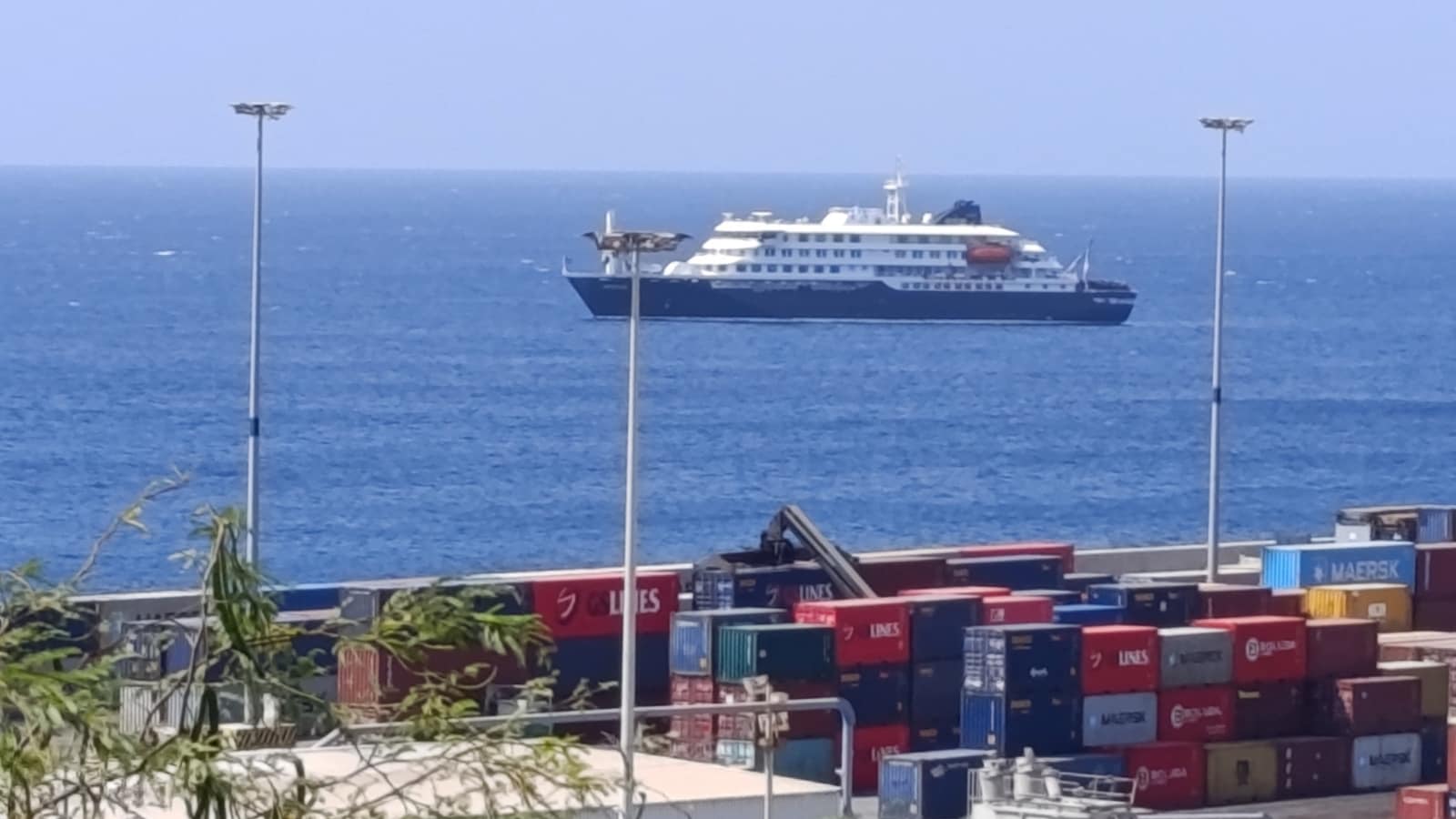
Stop holding your breath. I know the headlines about the MV Hondius look like a bad rerun of 2020, but the reality on the ground—or rather, on the water—is fundamentally different. When the World Health Organization (WHO) tells you to stay calm about a cruise ship evacuation involving a deadly respiratory virus, it’s easy to roll your eyes. We’ve heard it before. But this time, the biology actually backs up the optimism.
The MV Hondius, a Dutch-flagged vessel currently caught in a logistical nightmare between Cape Verde and the Canary Islands, is dealing with a cluster of hantavirus cases. Specifically, it’s the Andes strain. While three people have died and others are in intensive care, this isn't a "global shutdown" scenario. It’s a localized tragedy that serves as a masterclass in how modern epidemiology handles a specific, high-risk threat without burning the world down.
The Reality of Andes Virus Transmission
Hantaviruses usually have a very simple, albeit gross, rulebook: they stay in the rodents. You breathe in dust contaminated with mouse droppings or urine, and you get sick. End of story. The virus typically hits a dead end when it reaches a human.
The Andes strain, however, is the "black sheep" of the family. It's the only one known to jump from person to person. That sounds terrifying, but it’s remarkably inefficient at it. Unlike the airborne aerosols that made COVID-19 a global wildfire, Andes virus transmission requires prolonged, intimate contact. We’re talking about people sharing cabins, spouses, or those providing direct, unmasked medical care.
If you aren't living in a cramped cabin with an infected person, your risk is basically zero. This is why Maria Van Kerkhove and the WHO team are so adamant that this isn't "another Covid." The "R-naught" (the rate at which one person infects others) for hantavirus is significantly lower than most seasonal flus.
What’s Actually Happening on the MV Hondius
The ship is currently a floating quarantine zone, but it’s not a chaotic one. Passengers have been instructed to stay in their cabins. It sounds harsh, but it’s the most effective way to break the chain of the Andes strain.
- Evacuations are targeted: Three people have been moved to the Netherlands via high-stakes aeromedical flights. These aren't standard commercial hops; companies like European Air Ambulance are using "sealed" protocols to ensure the virus doesn't leave the aircraft.
- The Canary Islands Plan: Spain has agreed to let the ship dock in Tenerife, specifically at the industrial port of Granadilla. This is a tactical move. It keeps the ship away from residential areas while allowing for a cordoned-off "corridor" to move passengers directly to repatriation flights.
- The Swiss Connection: We already see the surveillance system working. A man who left the ship in late April was identified and isolated in Zurich before he could become a vector. This shows the "net" is catching the outliers.
The mortality rate for hantavirus is high—sometimes hitting 35% to 50% for those with severe respiratory symptoms—but that high lethality actually works against the virus. It makes people sick so fast and so visibly that they don't wander around malls for a week spreading it while asymptomatic.
Why Public Anxiety is Spiking
If the science says we're safe, why is everyone panicking? Honestly, it's institutional trauma. We’re in 2026, and the collective PTSD from the 2020s hasn't faded. When dock workers in Santa Cruz gather to protest a ship’s arrival, they aren't arguing against science; they’re reacting to a lack of clear communication.
The WHO is trying to bridge that gap. They’ve even gone so far as to debunk rumors that ivermectin works against hantavirus. It doesn't. There’s no vaccine either. The only "cure" right now is aggressive supportive care in an ICU—ventilators and fluid management. That’s why getting these passengers to high-end European hospitals is the only priority that matters.
The Birdwatching Connection
Here’s a detail many people are missing: the MV Hondius was on a polar expedition. Passengers weren't just sitting by a pool; they were birdwatching and visiting remote islands in the South Atlantic. These are environments where rodent populations are isolated and often carry unique viral loads.
It’s highly likely the "patient zero" on this ship didn't catch the virus from a rat on board—the WHO confirmed the ship is rodent-free—but from an excursion on land. They brought it back to their cabin, and the close-quarters nature of cruise life did the rest.
How to Protect Yourself
If you aren't on that ship or related to someone who was, you don't need to do anything. You don't need a mask at the grocery store, and you don't need to cancel your summer plans.
If you are traveling to South America or rural areas where hantavirus is endemic, your safety checklist is simple:
- Avoid Rodents: Don't sleep on the floor in cabins that look like they have "visitors."
- Air it Out: If you’re entering a dusty, long-closed shed or cabin, open the doors and let it vent for 30 minutes before you go in.
- Bleach is Your Friend: Use a 10% bleach solution to clean any surfaces that might have rodent contact. Do not sweep or vacuum dry droppings—that’s how the virus becomes airborne.
The MV Hondius situation will likely be resolved within the next two weeks. Once the remaining passengers are repatriated and the 45-day monitoring period for close contacts ends, this will be a footnote in maritime medical history, not a chapter in a pandemic textbook. Keep your perspective. The "next big one" is always a threat, but this specific virus doesn't have the legs to run a global race.
Monitor the official WHO situation reports if you want the data, but skip the social media doomsday threads. The system is actually working this time.