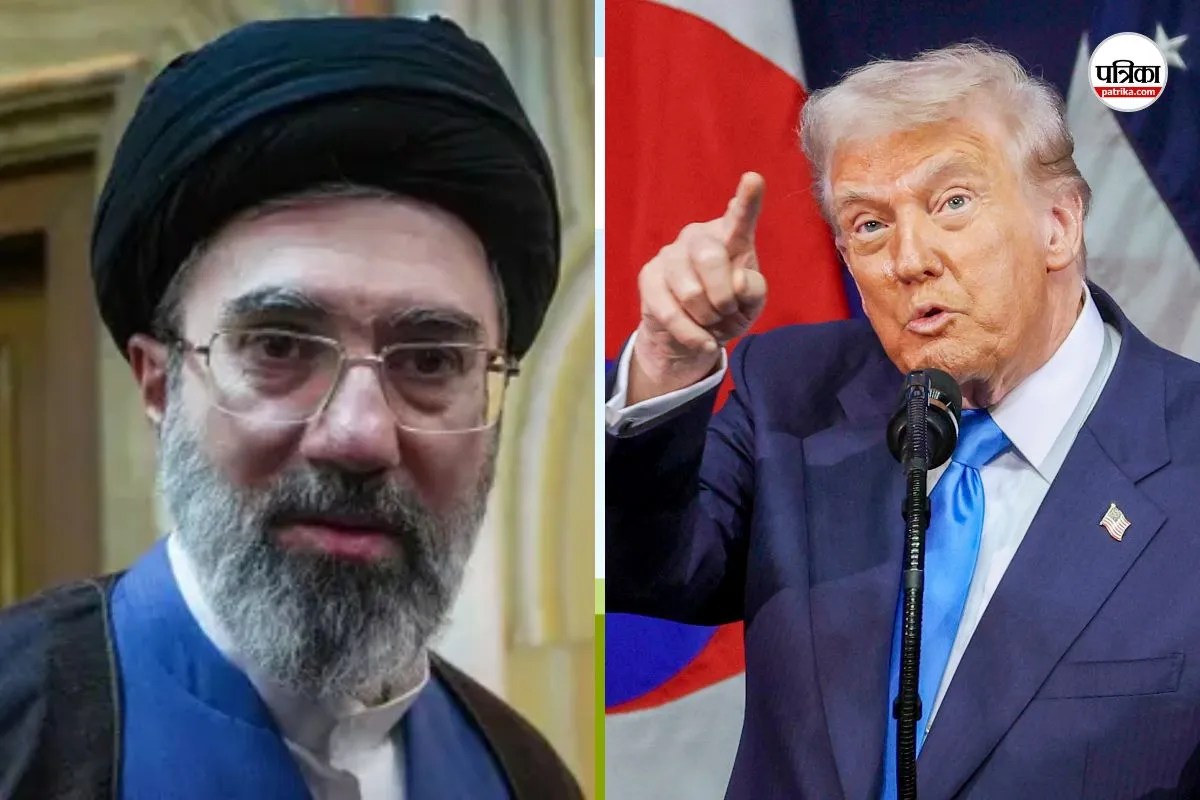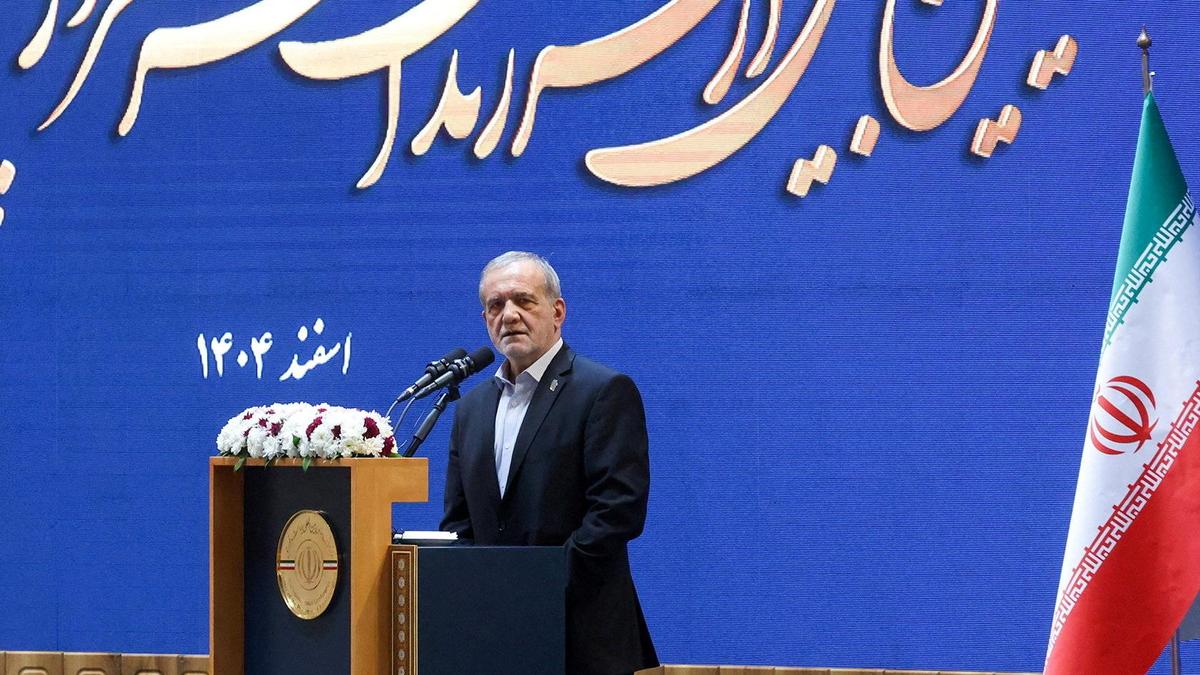
The media is falling for the same tired script. Again. Headlines are buzzing with the Iranian President’s latest proclamation that Tehran is ready for "negotiations with dignity." The mainstream press treats this as a glimmer of hope, a potential "thaw" in relations, or a sign that the regime is finally feeling the squeeze of isolation.
They are dead wrong.
What the "lazy consensus" fails to grasp is that "negotiation with dignity" is not an olive branch. It is a calculated piece of theater designed to buy time, fragment international coalitions, and secure survival without conceding a single inch of ideological ground. In the world of high-stakes geopolitics, "dignity" is code for "impunity."
The Myth of the Moderate President
Every few years, the Iranian political machine produces a "moderate" or "reformist" face to signal to the West that a deal is possible. We saw it with Khatami. We saw it with Rouhani and the JCPOA. Now, we are seeing the same performance.
The fundamental error Western analysts make is believing the President of Iran has the authority to fundamentally shift the country's foreign policy. He does not. The office of the Presidency is an administrative layer. The real power—the control of the military, the intelligence services, and the nuclear file—resides with the Supreme Leader and the Islamic Revolutionary Guard Corps (IRGC).
When a President speaks of dignity, he is speaking to two audiences. To the domestic hardliners, he is signaling that he will not "bend the knee" to Great Satan. To the international community, he is dangling a carrot to prevent further sanctions or military escalation. It’s a classic "good cop, bad cop" routine played on a global stage, and the West falls for it every single time.
Dismantling the "Dignity" Framework
What does "negotiation with dignity" actually mean in Tehran's lexicon?
- Zero Preconditions for Tehran: They want the West to lift sanctions before a single centrifuge stops spinning.
- Permanent Status for the IRGC: Any deal that touches the funding or the reach of the IRGC is a non-starter, labeled an "affront to national dignity."
- Regional Hegemony: They demand the right to continue funding proxies from Yemen to Lebanon under the guise of "sovereign security."
If you define dignity as the right to pursue a nuclear threshold status while destabilizing your neighbors, then sure, they want dignity. But if the West defines "negotiation" as a path toward a stable, non-nuclear Iran, the two sides aren't even reading from the same book, let alone the same page.
The Sanctions Paradox
Critics of the status quo argue that sanctions haven't worked because Iran is still standing. This is a shallow take. Sanctions aren't a light switch that turns a regime off; they are a slow-acting poison that limits the regime's options.
The call for "negotiations with dignity" is the clearest evidence that the poison is working. The regime is cash-strapped. The Rial is in freefall. Domestic unrest is simmering just beneath the surface. They need the "dignity" of a deal because they can no longer afford the cost of their defiance.
However, lifting sanctions now, based on "willingness to talk," is the equivalent of stopping a course of antibiotics halfway through because the patient says they feel better. It doesn't cure the infection; it creates a more resistant strain.
Why "Wait and See" is a Losing Strategy
The international community loves the "wait and see" approach. It feels cautious. It feels diplomatic. In reality, it is a gift to the Iranian nuclear program.
While diplomats argue over the seating charts for the next round of talks in Vienna or Geneva, the enrichment levels at Fordow and Natanz continue to climb. Tehran has mastered the art of "talking while enriching." They use the diplomatic process as a shield. As long as there is a "possibility" of a deal, Western powers are hesitant to take the "snapback" actions required to truly cripple the program.
The Counter-Intuitive Truth: Aggressive Disengagement
The status quo says we must keep the door open. I say we should lock it and walk away until the conditions change on the ground.
Stop asking, "How can we get them back to the table?" Instead, ask, "What happens if we stop caring about the table entirely?"
True leverage is found in the ability to walk away. By constantly chasing Tehran for a "sign of hope," the West signals its own desperation. This hands all the "dignity" to the regime. If the West shifted toward a policy of maximum containment—not just sanctions, but a complete diplomatic and economic quarantine—the regime's "dignity" would quickly be replaced by a desperate need for survival.
The Cost of the "Dignity" Deal
I’ve seen this play out in corporate negotiations and geopolitical standoffs alike. When one side insists on "dignity" despite having a losing hand, they are looking for a bailout, not a partnership.
If the West signs another deal based on the current "dignity" framework, here is what happens:
- Billions in frozen assets are released. This money does not go to the Iranian people. it goes to the IRGC's regional adventures.
- The nuclear clock is reset, not broken. Iran keeps its knowledge and its infrastructure, ready to ramp up the moment the deal's "sunset clauses" expire.
- The Iranian opposition is abandoned. Every time the West shakes hands with the regime, it tells the brave protesters on the streets of Tehran and Isfahan that their struggle is a secondary concern to a flawed arms control agreement.
Stop Asking the Wrong Question
The media asks: "Is Iran ready for a deal?"
The better question: "Why would we want a deal with a regime that defines dignity as the right to threaten global security?"
We are told that the alternative to negotiation is war. This is a false dichotomy pushed by those who profit from the status quo. The alternative to negotiation is comprehensive containment. It is the recognition that you cannot bargain with a revolutionary ideology that views compromise as a sin and "dignity" as the right to dominate.
The Brutal Reality of Iranian Diplomacy
Negotiation, in the Western mind, is a process of "give and take" to reach a middle ground. In the IRGC's mind, negotiation is a battlefield where the objective is to concede nothing of substance while gaining maximum tactical advantage.
They aren't looking for a "win-win." They are looking for a "win-later."
The President's talk of "dignity" is a siren song for the naive. It is designed to appeal to the "sophisticated" diplomat who believes that every conflict is just a misunderstanding waiting for a clever enough mediator. But some conflicts are not misunderstandings. They are fundamental clashes of interest and value.
The regime in Tehran knows exactly what it is doing. It is using your desire for peace as a weapon against you. It is using your belief in "dignity" to mask its own fragility.
Stop looking for the "opening." Stop analyzing the "tone." Stop believing that a change in the man at the podium means a change in the system behind him.
If you want to win, you have to stop playing their game. You have to realize that "negotiations with dignity" is just a polite way of asking for a surrender—yours, not theirs.
Don't go to the table. Break the table.