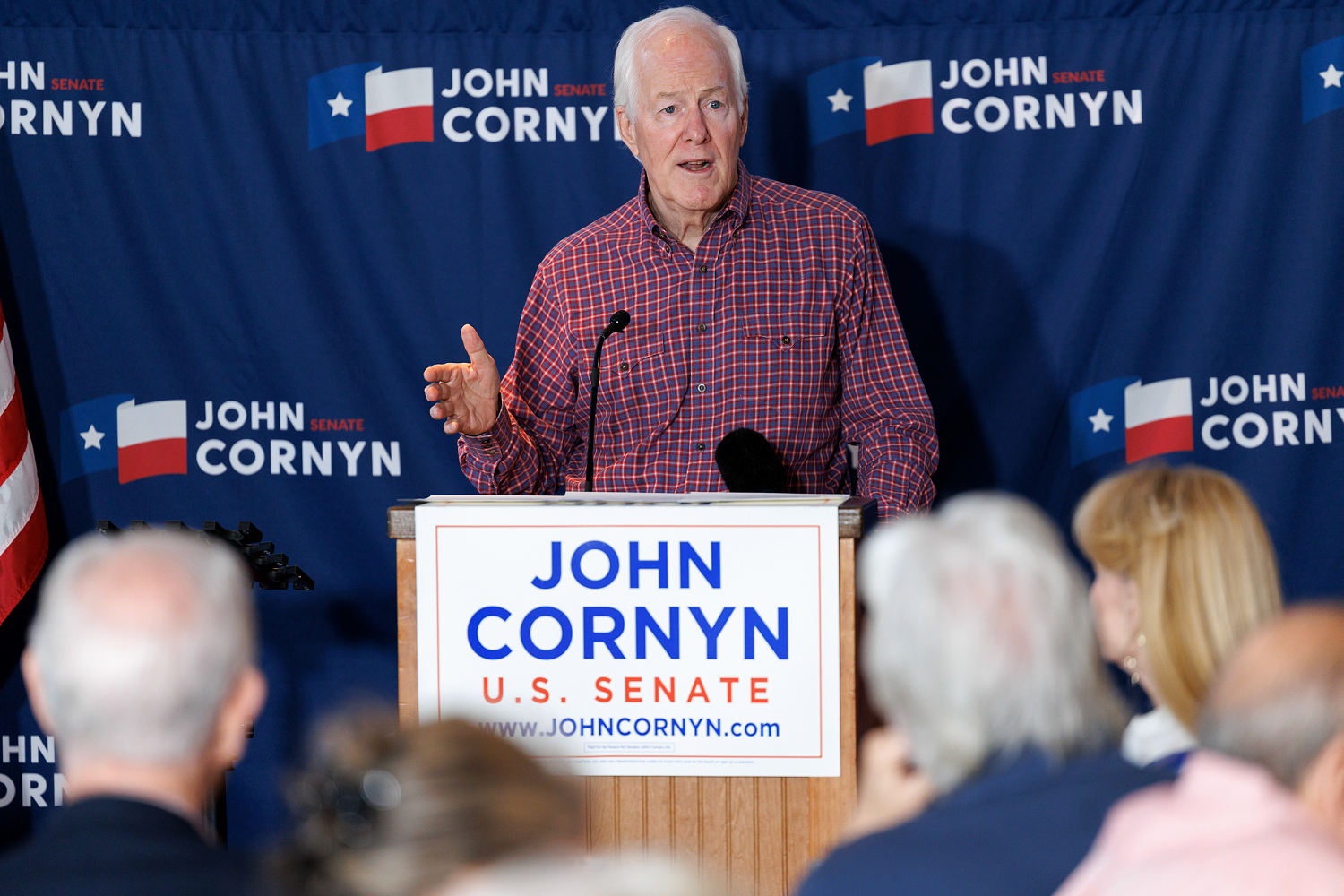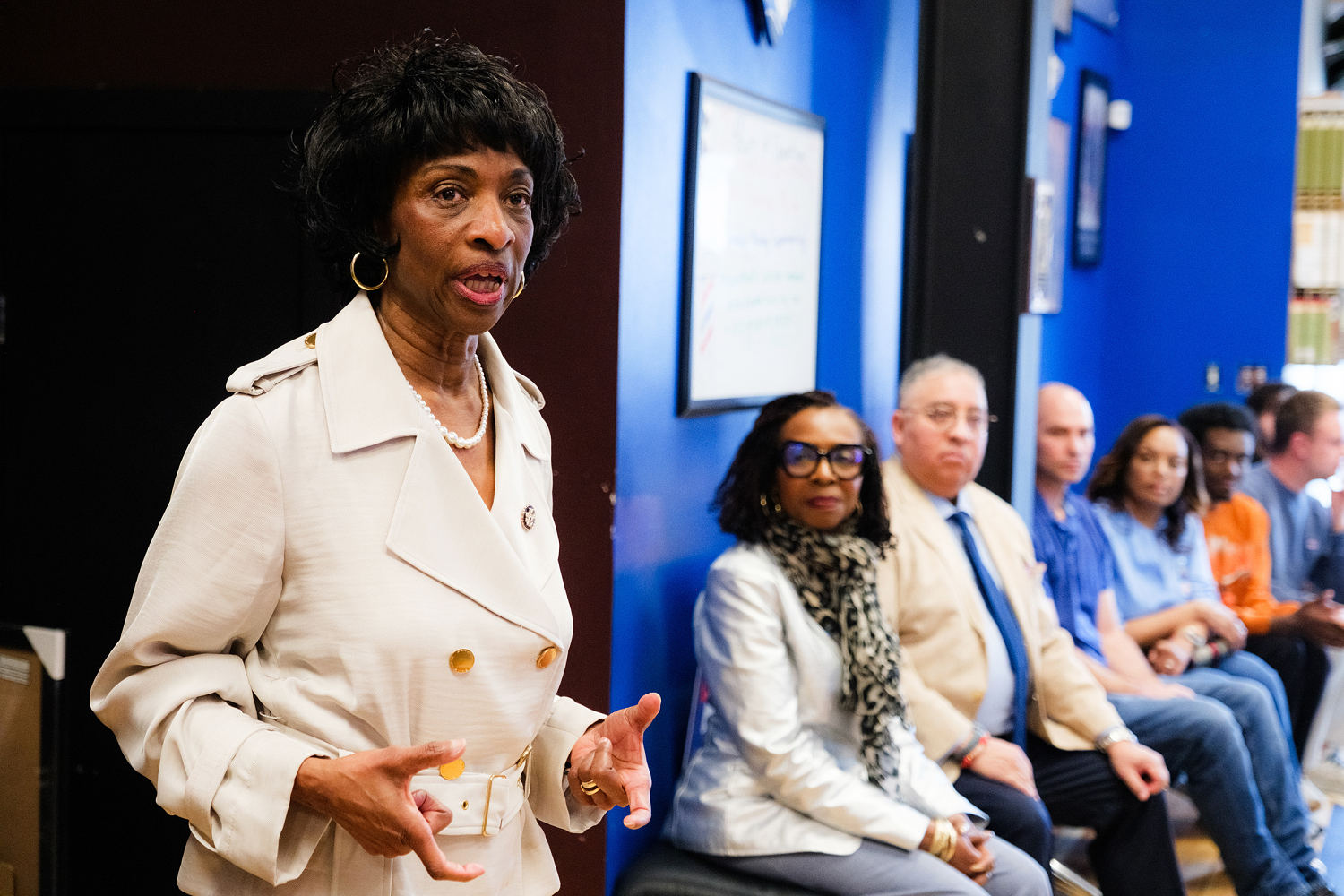
The air inside the community center smells of stale coffee and damp wool. It is a Tuesday night in a district that hasn’t changed its political stripes in thirty years. At the front of the room, a man who has spent two decades in Washington straightens his silk tie. He is comfortable. He is polished. He speaks in the rhythmic, practiced cadences of a person who has forgotten what it feels like to worry about a mortgage or the price of a gallon of milk.
He thinks he is winning. He is wrong. You might also find this related story interesting: Strategic Asymmetry and the Kinetic Deconstruction of Iranian Integrated Air Defense.
In the third row, a woman named Sarah—let's call her that, though she represents a million others—is watching his hands. She doesn't care about his committee assignments or his seniority. She is thinking about the pharmacy counter where she was told yesterday that her insulin copay had doubled. She is thinking about the pothole on 4th Street that broke her axle, and the fact that the "infrastructure wins" the congressman is touting haven't reached her zip code.
Sarah isn't a radical. She isn't an insurgent. She is simply exhausted. And in the quiet, localized earthquakes of this year’s primary elections, Sarah and her neighbors are doing something they haven't done in a generation: they are looking for the exit. As highlighted in latest articles by NPR, the implications are significant.
The Illusion of the Invincible Incumbent
For a long time, being an incumbent in the House of Representatives was the closest thing to job security left in America. The math was simple. You raised the most money. You secured the endorsements of the local power brokers. You relied on a map drawn by your own party to ensure the "wrong" voters stayed on the other side of the line.
But the math is breaking. The fortress is showing cracks.
We are seeing a shift where the traditional metrics of political strength—cash on hand and years in office—are becoming liabilities. To a restless electorate, "seniority" is starting to sound a lot like "complicity." When a candidate boasts about twenty years in D.C., the voter in the grocery store aisle hears twenty years of stagnant wages and rising costs.
Consider the data points that the dry headlines often gloss over. In recent primary cycles, the "burn rate" for incumbents has spiked. It isn't just that they are losing; it’s that they are being forced to spend millions of dollars just to survive against challengers who, ten years ago, would have been laughed out of the race. These challengers don't have the backing of the national committees. They have a ring light, a TikTok account, and a message that resonates because it sounds like a human being talking to another human being.
The Invisible Stakes of the Primary
Most people ignore primaries. They shouldn't. The primary is where the soul of the country is actually negotiated. By the time November rolls around, the choices are often baked in, two flavors of a pre-packaged reality. But the primary is the laboratory. It’s where we decide if we want the person who knows how to work the system, or the person who wants to break it.
The pressure on House members right now is immense because the "center" has become a ghost town.
Imagine a bridge. On one side, you have a base of voters who feel the country is moving too fast, losing its identity, and leaving them behind. On the other side, you have a base that feels the country is moving too slow, failing to address existential threats like climate change or systemic inequality. The incumbent is standing in the middle of that bridge, trying to hold both sides together with platitudes.
The bridge is swaying. The cables are snapping.
The incumbent tries to talk about "bipartisan achievements." The voters scream that they don't want bipartisanship with people they view as enemies of the state. This isn't just a political disagreement; it’s a fundamental breakdown in the shared American narrative.
The High Cost of Staying Relevant
To survive, the modern House member has to undergo a painful metamorphosis. You can see it in their campaign ads. The suits are traded for denim jackets. The polished rhetoric is replaced by a forced, jagged edge. They are trying to prove they are still "one of us," even as they fly back to a city where they spend four hours a day in a "call suite" begging wealthy donors for checks.
This creates a vacuum of leadership. When an incumbent is terrified of their own primary voters, they stop legislating for the long term. They start legislating for the next thirty seconds. They avoid the hard compromises that keep a country running because a single "wrong" vote is a weapon in the hands of a primary challenger.
The result is a House of Representatives that is perpetually on the brink. It is a body of 435 people who are all, to some degree, running for their lives.
Take the case of a hypothetical moderate in a swing district. Let’s call him Representative Miller. Miller has spent his career trying to find the middle ground. He prides himself on being the "adult in the room." But in a primary, being the adult is boring. His challenger, a firebrand with no experience but a lot of passion, frames Miller's compromise as a betrayal.
The challenger talks about "purity."
Miller talks about "process."
Purity wins the heart. Process dies on the vine.
Why the Restlessness Won’t Subside
It would be a mistake to think this is a temporary fever. We aren't going back to a time of quiet, predictable primaries. The technology of communication has democratized the ability to outrage.
In the old days, an incumbent controlled the information. They sent out glossy mailers that told you how hard they were working for you. Today, a voter can see a video of their representative falling asleep in a hearing or stuttering through an answer on a late-night talk show before the representative even leaves the room. The veil is gone.
There is also the matter of the "sunk cost." Voters have spent decades believing that if they just sent the right person to Washington, things would get better. For many, things have gotten worse. The town's main employer moved overseas. The opioid crisis claimed a cousin. The local school is underfunded.
When you have lost that much, you aren't looking for a steady hand. You are looking for a grenade.
The Human Geometry of the Ballot Box
Back in that community center, the congressman finishes his speech. He asks for questions.
Sarah stands up. Her voice is shaky, but it’s loud. She doesn't ask about the debt ceiling or the latest foreign policy crisis. She asks why her son, who has a master's degree, is living in her basement because he can't afford rent in the district.
The congressman starts to answer with a statistic about the "overall health of the labor market."
Sarah interrupts him. "I'm not asking about the market," she says. "I'm asking about my son."
The room goes silent. In that moment, the twenty years of seniority, the millions of dollars in the campaign chest, and the endorsements from the Speaker of the House all evaporate. There is only a mother and a man who is supposed to represent her, separated by an ocean of misunderstanding.
The incumbents who survive this year won't be the ones who have the most money. They will be the ones who can look Sarah in the eye and admit that the system is broken, even if they are a part of it. They will be the ones who stop reciting talking points and start acknowledging the visceral, terrifying uncertainty of being an American in the 2020s.
The primary isn't just a contest of names on a ballot. It’s a referendum on whether or not we still believe that a representative government can actually represent us.
Every time a long-term incumbent is toppled, the shockwaves travel all the way to the Capitol dome. It’s a reminder that the power doesn't belong to the person with the nameplate on the door. It belongs to the person with the pen in the voting booth.
The tragedy of the modern incumbent is the belief that the seat is theirs to keep. They forget that they are merely tenants. And the landlord is finally home, and she is holding an eviction notice.
The woman in the third row picks up her coat. She doesn't clap. She walks out into the cool night air, already knowing exactly which box she is going to check. It isn't about hope anymore. It's about being seen.
Would you like me to research the specific primary results from the most recent 2024 or 2026 cycles to see which incumbents actually lost their seats?