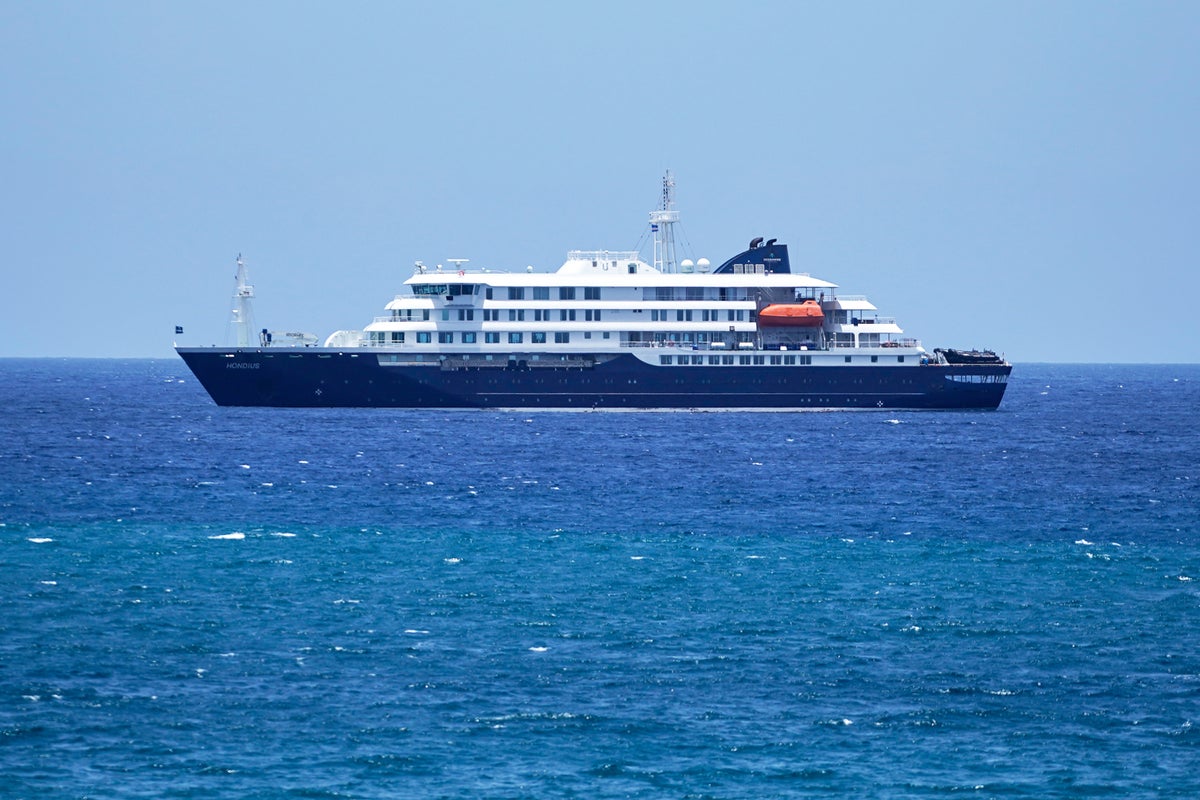
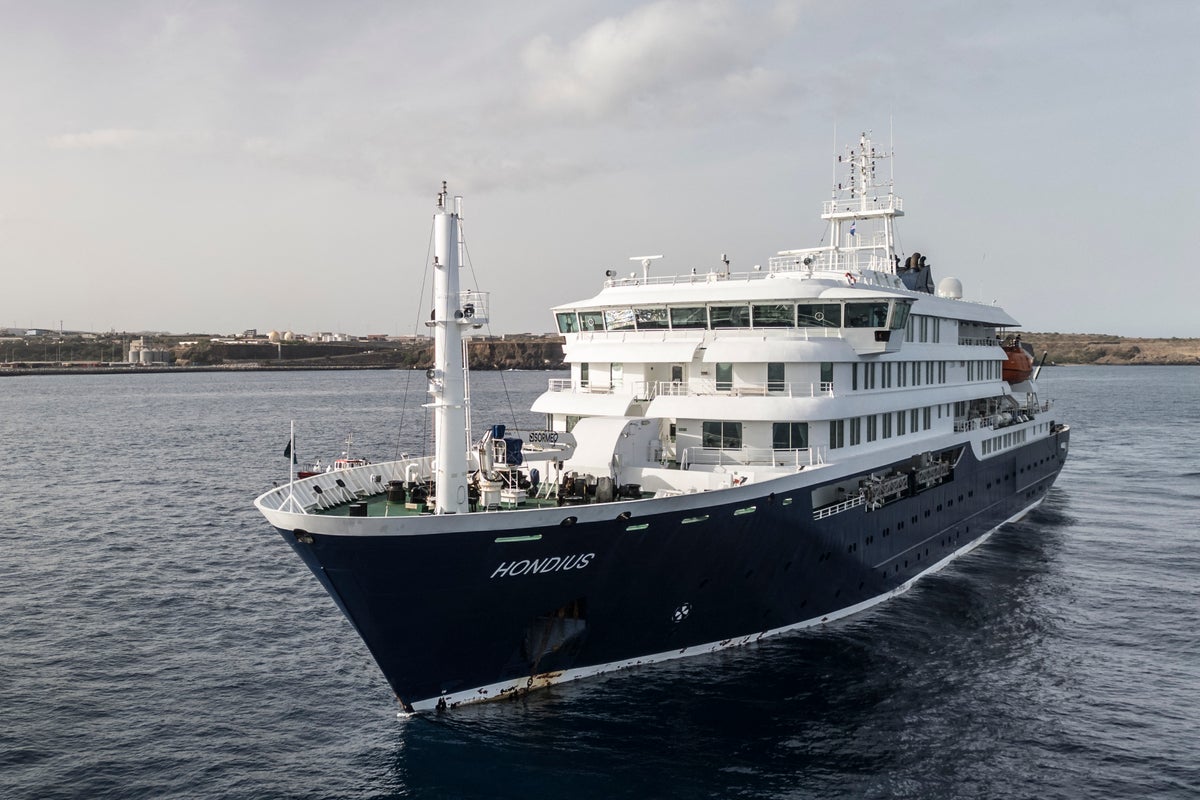
Global Affairs Canada has confirmed that four Canadian citizens are currently under medical surveillance following a hantavirus outbreak on a commercial cruise liner. While the government remains tight-lipped about the specific vessel and its current coordinates, the incident exposes a glaring vulnerability in maritime health protocols. Hantavirus is typically associated with rural land-based settings, but its appearance on a luxury ship suggests a breakdown in basic pest control and sanitation that the industry has spent billions trying to hide.
A Rare Pathogen in a Steel Environment
Hantavirus is not the Norovirus. We are used to hearing about "stomach bugs" that sweep through cruise ships, usually the result of a single passenger failing to wash their hands after a buffet. Hantavirus is different. It is a severe respiratory or hemorrhagic disease transmitted through contact with the urine, droppings, or saliva of infected rodents.
For this virus to manifest on a modern cruise ship, there must be a significant, sustained presence of vermin. This isn't about one stray mouse in a cargo hold. It points to an infestation within the ship’s internal "veins"—the ventilation systems, the insulation, or the dry food storage areas. When rodent waste dries, it can become aerosolized. Passengers then breathe in the viral particles.
The four Canadians involved are reportedly being monitored for Hantavirus Pulmonary Syndrome (HPS). This is a high-stakes medical situation. Unlike common sea-borne illnesses, HPS has a mortality rate of nearly 40%. There is no specific cure, no vaccine, and no quick-fix antiviral. Treatment is limited to supportive care, often requiring mechanical ventilation in an ICU.
The Logistics of a Floating Incubation Chamber
Cruise ships are essentially floating cities, but they lack the natural predators and open-air dispersion that keep rodent populations in check on land. Once a breeding pair of rats or mice hitches a ride during a port call—likely tucked away in a pallet of fresh produce—the ship provides a climate-controlled paradise with endless food scraps and thousands of miles of inaccessible wiring and piping to nest in.
The industry likes to talk about its rigorous "Sanitation Programs." They show you videos of crew members wiping down handrails with bleach every twenty minutes. That is theater. It is designed to make the passenger feel safe while the real risks remain hidden behind the bulkheads.
The real fight happens in the galley and the engine room. If a ship’s Integrated Pest Management (IPM) plan fails, the consequences are biological. The fact that four passengers from a single nation have been identified suggests a localized cluster, potentially linked to a specific deck or a shared ventilation branch.
Why the CDC and Health Canada are Scrambling
Government health agencies are currently tracing the itinerary of the vessel. The challenge with hantavirus is the incubation period. It can take anywhere from one to eight weeks for symptoms to appear. This means a passenger could disembark, fly home to Toronto or Vancouver, and not fall ill until they are thousands of miles away from the source.
- Initial Symptoms: Fever, severe muscle aches (especially in the thighs and back), and fatigue.
- The Critical Phase: Sudden onset of shortness of breath as the lungs fill with fluid.
- The Diagnostic Gap: Because it looks like a standard flu or even COVID-19 in the early stages, many doctors don't think to ask, "Have you been on a cruise lately?"
Global Affairs Canada is working with international partners to ensure that all passengers—not just the Canadians—are being notified. However, the cruise line’s legal teams are likely already moving to contain the reputational damage, often prioritizing non-disclosure agreements over transparent public health warnings.
The Financial Pressure to Keep Sailing
Why wasn't the ship docked immediately? The answer is math.
A mid-sized cruise ship generates roughly $2 million to $4 million in revenue per week. Every day spent in dry dock for a deep-clean and fumigation is a massive hit to the quarterly earnings. Cruise lines frequently opt for "rolling sanitations," where they attempt to solve an infestation while passengers are still on board.
This creates a dangerous conflict of interest. A ship captain and the corporate office must decide between the safety of the passengers and the demands of the shareholders. In this case, the virus won.
Regulatory Holes in International Waters
The maritime industry operates under a patchwork of regulations. While the CDC’s Vessel Sanitation Program (VSP) monitors ships that dock in U.S. ports, many liners spend their time in international waters or docking in territories with laxer oversight.
When a ship is registered in a "flag of convenience" country like the Bahamas or Panama, the legal responsibility for health standards becomes murky. The Canadian government can provide consular assistance to its citizens, but it has very little power to board a foreign-flagged vessel and demand an inspection.
We are seeing a trend where cruise ships are pushed longer between major maintenance cycles. As the hardware ages, gaps in the hull and seals in the storage areas become more frequent. These are the entry points for the rodents carrying the hantavirus.
Risk Mitigation for the Modern Traveler
If you are booked on a cruise, you cannot rely on the cruise line to disclose a minor pest problem. You have to be your own inspector.
Check the ventilation. If your stateroom smells musty or like ammonia (a sign of rodent urine), demand a room change immediately. Do not accept a "deep clean" as a solution.
Inspect the food areas. Look at the corners of the buffet floor. Look for "rub marks"—dark, greasy stains along the baseboards where rodents travel.
Monitor your health for 60 days. If you develop a high fever and muscle aches after returning from a cruise, do not wait. Tell your doctor specifically about your travel history and mention hantavirus.
The incident involving these four Canadians is a warning shot. As cruise ships get larger and more complex, the ability to control the biological environment within them diminishes. The industry is currently built on a foundation of "out of sight, out of mind," but when the pathogen in question has a 40% kill rate, that strategy is no longer viable.
The focus now shifts to the maritime labs and the heavy-duty cleaning crews. They will try to scrub the evidence away, but the biological reality remains. A ship is a closed loop. Once a dangerous virus enters that loop, the luxury of the experience evaporates, leaving only the cold reality of a quarantine.
Verify your ship’s recent health inspection scores via the CDC’s green sheet database before you step on the gangway. If a ship has a history of failed inspections or "satisfactory" ratings that mention pest activity, stay on the pier. Your life is worth more than a discounted balcony suite.
Stop looking at the handrails and start looking at the vents.