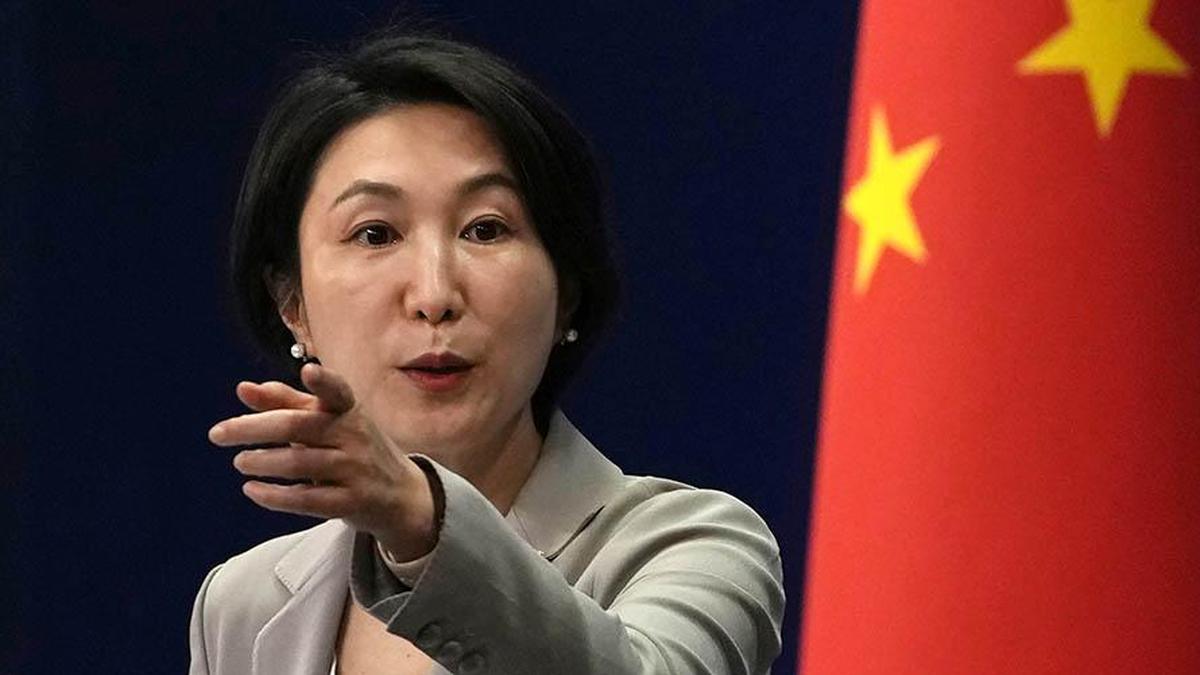
Beijing isn't just watching from the sidelines anymore. While the United States has historically been the primary power broker in West Asia, China’s recent calls for an immediate ceasefire and a move toward diplomacy signal a massive shift in how global power functions. If you think this is just about "world peace," you're missing the bigger picture. It’s about energy, trade routes, and a direct challenge to Western influence.
China’s Foreign Ministry recently doubled down on its stance, urging all parties involved in the escalating conflicts across the region to drop the weapons and start talking. They aren't just sending "thoughts and prayers" either. They're positioning themselves as the "rational" alternative to what they describe as failed Western interventionism.
The Reality of China’s West Asia Strategy
China’s approach to the Middle East—or West Asia, as they prefer to call it—is rooted in one thing. Stability. Not because they’re inherently more peaceful than anyone else, but because their economy literally depends on it. China is the world's largest importer of crude oil. A huge chunk of that flows right through the Strait of Hormuz. When missiles start flying, insurance rates for tankers skyrocket and supply chains break.
Beijing’s call for a ceasefire isn't some idealistic whim. It's a calculated move to protect the Belt and Road Initiative (BRI). You can't build massive ports and high-speed rails in a war zone.
Unlike the U.S., which has deep military ties and historical baggage with specific regional players, China tries to play all sides. They talk to Iran. They talk to Saudi Arabia. They talk to Israel. They talk to the Palestinian Authority. This "friend to everyone" act is their superpower. By demanding a ceasefire, they're telling the region: "We're the guys who want to do business, not the guys who want to drop bombs."
Why the Two State Solution is Beijing’s Main Talking Point
You’ll hear the phrase "Two-State Solution" in almost every Chinese press briefing regarding the Levant. Why? Because it’s the ultimate diplomatic safe ground. It aligns them with the United Nations majority and separates them from the perceived bias of Washington.
China’s top diplomats argue that the "root cause" of the instability is the historical injustice faced by the Palestinian people. By leaning heavily into this narrative, they win massive points with the Arab street and Global South nations. It's a PR goldmine. They aren't just looking for a temporary pause in fighting; they're pushing for a full-scale international peace conference.
Breaking Down the Recent Diplomatic Push
Recently, Wang Yi and other high-ranking officials have been on a whirlwind tour of meetings. They've hosted factions that usually won't sit in the same room. The Beijing Declaration was a prime example of this. While skeptics say it was just a photo op, the fact that it happened in Beijing and not Geneva or D.C. says everything you need to know about the changing tide.
The Economic Stakes Are Massive
Let’s talk numbers. China-Arab trade has blown past $400 billion annually. We aren't just talking about oil anymore. We’re talking about 5G infrastructure, solar farms, and massive construction projects in the desert.
When China calls for diplomacy, they’re protecting these investments. They see a vacuum left by a West that's increasingly viewed as inconsistent or over-leveraged. By presenting a "Global Security Initiative," Beijing is offering a blueprint that prioritizes sovereignty over "human rights" lectures—a message that sits very well with many regional leaders.
What Most People Get Wrong About China’s Role
Most analysts think China wants to replace the U.S. military. They don't. That’s expensive and messy.
China wants the security the U.S. military provides without having to pay for it or take the blame for it. They want a world where the U.S. keeps the shipping lanes open, but China gets to sign the construction contracts. Their call for a ceasefire is a way to pressure the U.S. to "reign in" the conflict so the business of trade can continue. It’s a brilliant, if cynical, piece of statecraft.
How This Impacts You Right Now
You might think a diplomat's speech in Beijing doesn't matter to you. You're wrong. If China successfully pivots the region toward a ceasefire, the global energy market stabilizes. If they fail, and the conflict widens into a regional war involving major oil producers, you’ll feel it at the gas pump and in your grocery bill within a week.
China is also using this conflict to test its "Soft Power" muscles. If they can actually broker even a minor, lasting truce, the era of the U.S. as the "sole superpower" is officially over. We’re looking at a multipolar world where the path to peace might actually go through Beijing.
Taking Action on This Information
Don't just read the headlines. Watch the shipping data. Keep an eye on the Shanghai Futures Exchange and how they react to Chinese diplomatic statements.
If you're an investor or just someone who likes to know where the world is headed, pay attention to the "Brics Plus" expansions. The more China integrates West Asian nations into its economic sphere, the more weight its calls for "ceasefires" will carry.
Stop looking at these diplomatic calls as mere words. They're early warnings of a new global order. Start diversifying your news sources. If you only read Western outlets, you're getting half the story. Look at what the Global South is saying about China's mediation efforts. The shift is happening in real-time. Don't get left behind. Keep a close eye on the next round of Beijing-led summits—that’s where the real deals are being cut.