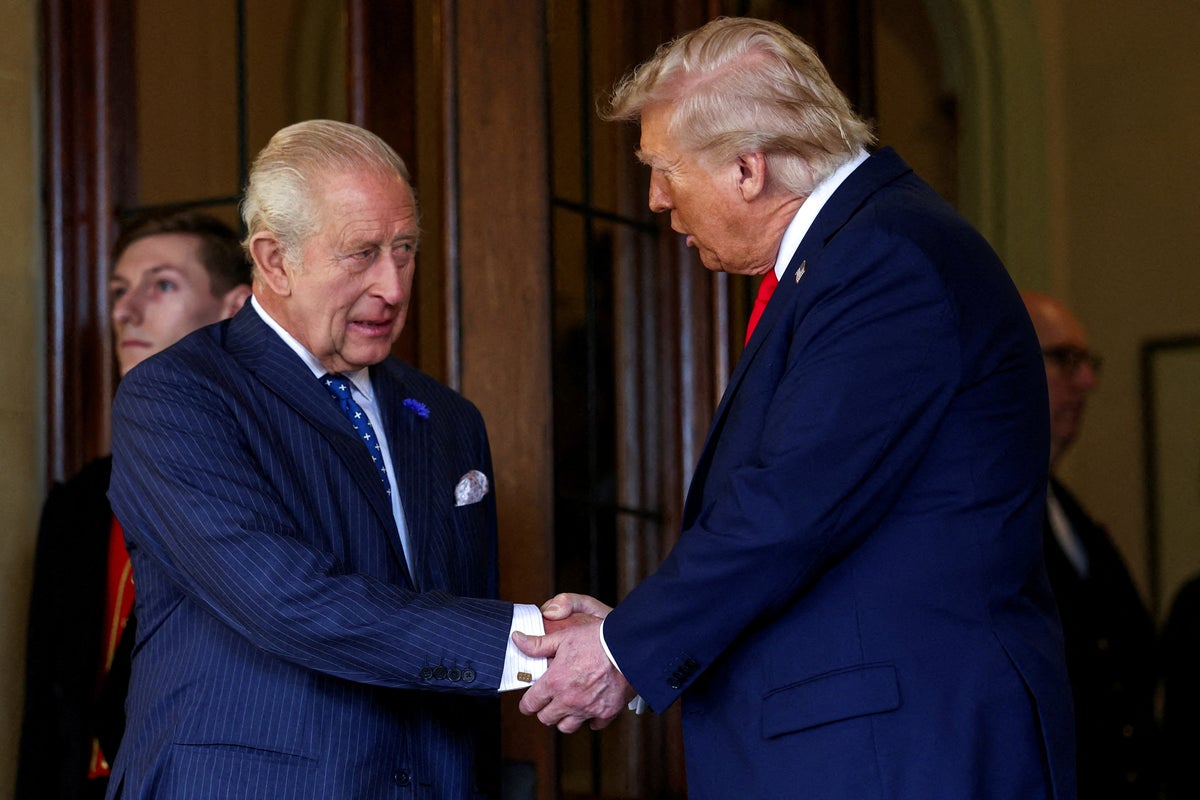
The arrival of King Charles III in Washington on April 27, 2026, represents more than a ceremonial intersection of heritage; it is a high-stakes application of institutional soft power designed to stabilize a volatile bilateral security and trade environment. While media narratives focus on the optics of the "gilded meeting," the visit functions as a strategic hedge against the current deterioration of the "special relationship" between the Trump administration and the Keir Starmer government. This state visit operates across three primary vectors: diplomatic stabilization, the 250th-anniversary historical continuity, and the personal relationship as a firewall against policy shifts.
The Three Pillars of the 2026 State Visit
The efficacy of the royal visit is measured by its ability to bypass the "bottleneck" of current Downing Street-White House friction. While the President has publicly criticized Prime Minister Starmer’s stance on the Iran conflict and NATO spending, the monarchy serves as a secondary, non-political channel.
- Institutional Continuity (The 250th Anniversary): By aligning the visit with the Sestercentennial of American Independence, the UK government utilizes the King to remind the U.S. executive branch that the bilateral bond is structural, not temporal.
- Soft Power Optimization: The address to a Joint Meeting of Congress—the first by a British monarch since 1991—targets the legislative branch. This serves as a strategic maneuver to maintain bipartisan support for UK interests, independent of the President’s mercurial rhetoric.
- Personalist Diplomacy: President Trump’s documented reverence for the British monarchy creates a "diplomatic tramline." This psychological lever is the primary mechanism the UK Foreign Office is using to ensure the King receives a level of executive deference not currently afforded to British elected officials.
The Operational Itinerary: April 27–30
The four-day schedule is structured to maximize visibility while minimizing the surface area for protocol friction.
Phase I: The Washington Engagement (April 27–28)
The initial 48 hours focus on the formal integration of the King into the American executive landscape.
- April 27: The Soft Launch: Following arrival at Joint Base Andrews, the initial engagement was a private tea in the Green Room. This informal setting allows for rapport-building before the rigid constraints of the state arrival ceremony.
- April 28: Ceremonial and Legislative Core:
- The South Lawn Ceremony: A full military review including a 21-gun salute and the "Pass in Review" of 300 service members. This is the first time all six branches of the US Armed Forces have participated in such a ceremony for a state visit.
- The Oval Office Bilateral: While the King cannot negotiate policy, this meeting focuses on "shared values" and broad environmental conservation goals, providing a neutral ground for the President to engage with British leadership.
- The Joint Address to Congress: This is the apex of the visit’s institutional strategy. By speaking to both the House and Senate, the King reinforces the UK’s relevance to the American legislative apparatus.
- The State Dinner: A formal East Room event designed to project stability to global markets and international allies.
Phase II: Regional Outreach (April 29–30)
The latter half of the visit shifts from the executive branch to cultural and historical symbols.
- New York City: The visit to the September 11 Memorial, alongside Mayor Zohran Mamdani, serves a dual purpose. It honors the shared security history of the two nations and provides a platform for the King to engage with local leadership in the world’s financial capital.
- Virginia (The 250th Anniversary Focus): The itinerary concludes with a community "block party" and meetings with Indigenous leaders. This targets the "people-to-people" aspect of the relationship, reinforcing the King’s specific interests in conservation and Appalachian culture.
The Cost Function of Diplomatic Misalignment
The primary risk factor of this visit is the "Protocol Collision." The King’s life is governed by rigid constitutional neutrality, whereas the current U.S. administration frequently utilizes social media and direct rhetoric to disrupt established norms.
The mechanism at play here is "Transactional vs. Institutional Diplomacy." The President views diplomatic visits through the lens of media performance and immediate trade leverage. In contrast, the King represents the long-term institutional stability of the British State. If the President attempts to draw the King into specific policy debates regarding the war in Iran or NATO, the King must utilize "the principle of the golden silence"—deflecting political inquiry while maintaining the dignity of the office.
Strategic Forecast: The Royal Firewall
The 2026 visit will likely succeed in its primary objective: lowering the temperature of the U.S.-UK relationship. By providing the President with the prestige of a royal state visit, the UK government secures a period of relative calm in which to negotiate more contentious issues behind the scenes.
The second-order effect of the King’s address to Congress will be the strengthening of the Congressional UK Caucus. This ensures that even if executive-level tensions remain high, the underlying legislative and defense-sharing mechanisms (AUKUS, intelligence sharing) remain protected. The strategic play for the King is to remain the "embodiment of the relationship," allowing the Starmer government to absorb the political friction while the Crown preserves the alliance’s structural integrity.