Another community is picking up the pieces after a violent tragedy. When the White House press secretary takes the podium to address a shooting at a Washington County Health Department facility, the ritual feels painfully familiar. You've seen the flags at half-staff. You've heard the "thoughts and prayers." But underneath the official rhetoric, there's a specific political and social machinery at work that most news clips ignore. This isn't just about a single briefing. It's about how the federal government reacts when local safety nets become targets.
The WCHD shooting hit a nerve because it happened at a place meant for healing. Health departments aren't high-security fortresses. They’re where people go for vaccines, prenatal care, and nutritional support. When a gunman opens fire in a clinic, it shatters the basic social contract of public health.
The White House Briefing Reality
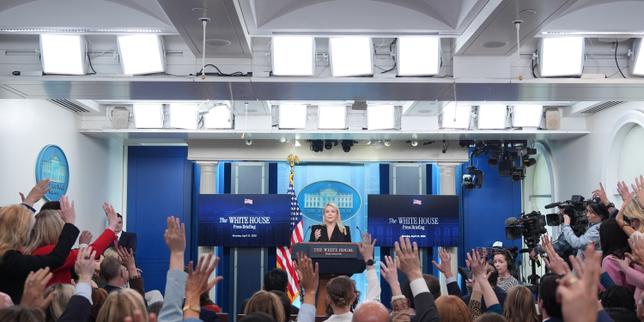
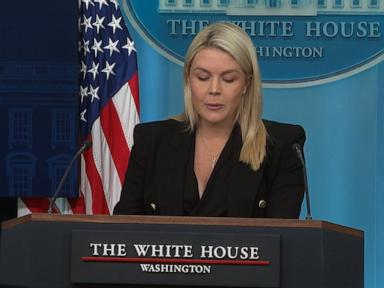
The press secretary doesn't just stand there to give updates. Local police handle the "who" and "how." The White House handles the "why this matters to the country." In this specific instance, the briefing served as a platform to pivot toward federal policy. You’ll notice the administration rarely talks about these events in a vacuum. They link them to broader legislative goals.
The messaging usually follows a three-step pattern. First, there's the acknowledgement of the victims. Then, a praise for first responders. Finally, a sharp turn toward gun control or mental health funding. It’s a predictable script, yet it remains the most powerful megaphone in the world. If the President’s team mentions a local shooting, it’s a signal to Congress that the executive branch is watching.
Security Gaps in Public Health Facilities
Most people don't think about the lack of security at a health department until something goes wrong. These buildings are designed to be accessible. They’re often in the heart of vulnerable communities. Unlike federal courthouses or airports, they don't have metal detectors at every door.
I've talked to public health administrators who struggle with this exact balance. They want to be welcoming. They don't want their patients to feel like they’re entering a prison. But after the WCHD event, those conversations changed. Now, the talk is about "controlled access" and "silent alarms."
The federal response often promises more grants for security. But let's be real. Money takes months or years to trickle down. Local agencies are often left to foot the bill for immediate guards or glass reinforcement. This creates a massive disparity between wealthy counties and those that are already struggling to keep the lights on.
Politics vs Action on the Ground
It’s easy to get cynical when you hear a press secretary speak. You might think it's all theater. To an extent, it is. But that theater serves a purpose in the 24-hour news cycle. It keeps the pressure on. Without that White House spotlight, a shooting in a county health department might disappear from the national headlines in six hours.
The real tension lies in the gap between federal words and state laws. While the press secretary calls for "common sense" changes, the state where the WCHD is located might be moving in the opposite direction. This creates a weird legal limbo. You have the highest office in the land demanding one thing, while the people actually managing the scene are bound by entirely different local statutes.
Why the WCHD Shooting was Different
This wasn't a school or a mall. This was a government office dedicated to the welfare of the public. That distinction matters. Attacking a health department is seen as an attack on the state itself. That’s why the federal response was so fast. They weren't just mourning lives; they were defending the legitimacy of public institutions.
When the press secretary spoke, she focused on the bravery of the staff. These are people who stayed behind to help patients hide while they were terrified themselves. Highlighting that courage is a strategic move. It shifts the narrative from "the government failed to protect you" to "the government’s employees are heroes."
What Happens When the Cameras Leave
The most frustrating part of these national briefings is what follows. The media circus packs up. The press secretary moves on to the next crisis. The residents of Washington County are left with a boarded-up building and a community full of trauma.
Federal aid for mental health usually comes in the form of "emergency response" grants. These are great for the first thirty days. But what about six months from now? What about a year from now when the staff is still jumping at loud noises? The White House rarely talks about the long-term grind of recovery because it isn't "newsworthy" anymore.
Steps for Community Protection
If you're a local official or just a concerned citizen, waiting for a White House briefing isn't a strategy. You have to look at what’s happening in your own backyard.
- Audit your local clinics. Check if they have basic safety protocols that don't rely on a heavy police presence.
- Push for state-level funding. Federal grants are competitive and slow. State budgets are where the real day-to-day security money lives.
- Support staff training. De-escalation training is often more effective than a locked door. People working on the front lines of public health need to know how to spot trouble before it turns into a tragedy.
The WCHD shooting shouldn't be a footnote. It’s a wake-up call about the vulnerability of the places we trust most. While the White House provides the optics, the real work of making these spaces safe again happens in the community meetings and the county budget sessions that nobody films. Pay attention to those. That’s where the actual change starts. Stop waiting for a podium in D.C. to tell you that your local clinic needs better protection. Take a look at your county’s public safety plan today. If it doesn't mention health facilities, start asking why.