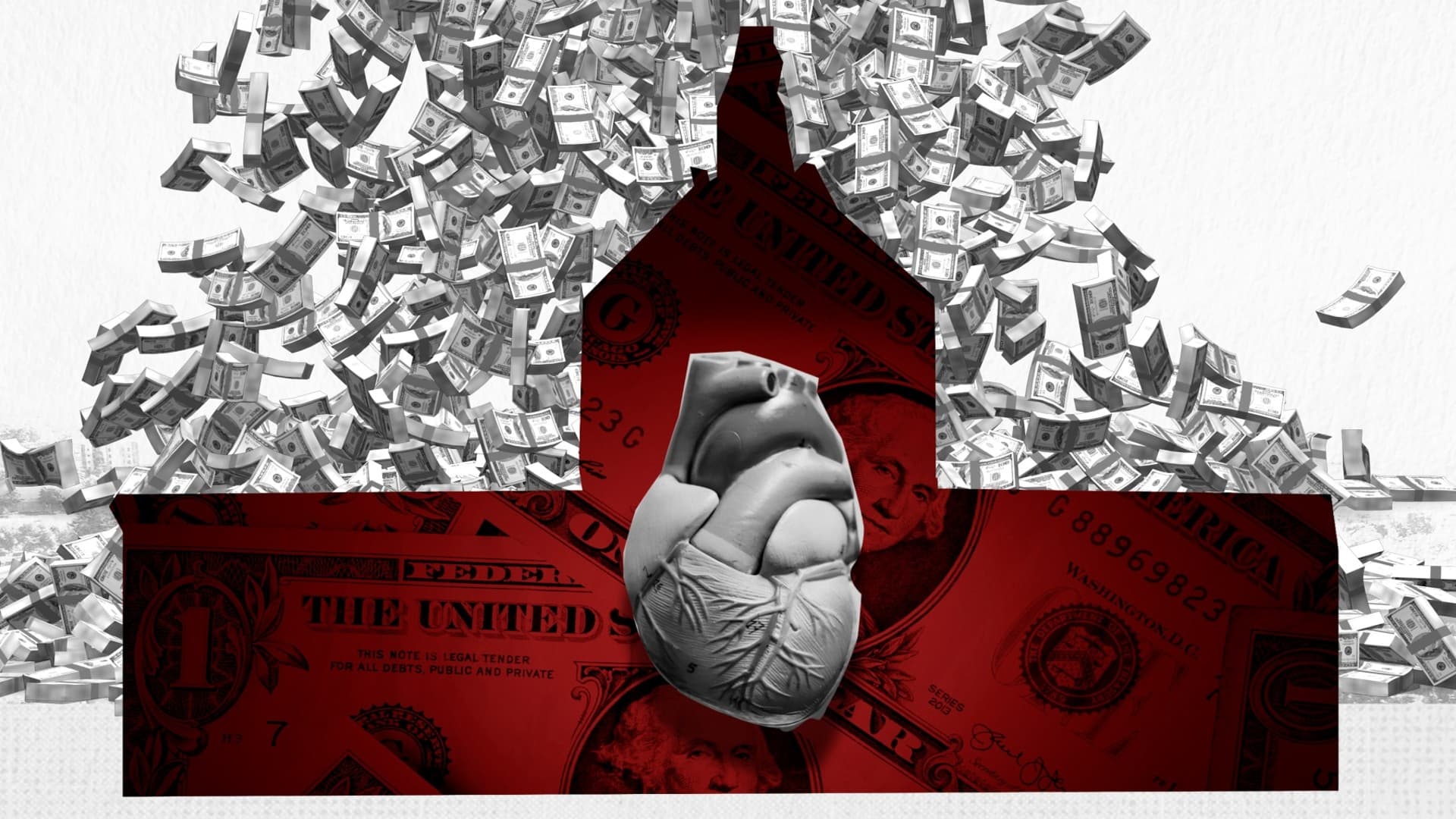
Wells Fargo is currently a bank trapped between its checkered past and an expensive, uncertain future. The recent decision by market analysts to downgrade the stock reflects a growing realization that the company’s recovery is not just stalled, but potentially regressing. While competitors like JPMorgan Chase and Bank of America have capitalized on higher interest rates to fortify their balance sheets, Wells Fargo remains bogged down by internal inefficiencies and the lingering weight of a decade-long regulatory nightmare. The core issue is no longer just the 2016 fake-accounts scandal. It is the systemic failure to modernize operations while operating under a punishing federal asset cap.
Investors are losing patience with the "transformation" narrative. After multiple quarters of missed expectations on non-interest expenses and shrinking net interest income, the bank is facing a crisis of confidence. The problem is structural. Wells Fargo spends more to make less than its peers, and the path to fixing that ratio is blocked by the very regulators who are supposed to be overseeing its rehabilitation.
The Asset Cap Prison
The most significant headwind facing Wells Fargo is the $1.95 trillion asset cap imposed by the Federal Reserve in 2018. This is an unprecedented regulatory shackle. It prevents the bank from growing its balance sheet, effectively forcing it to sit on the sidelines while competitors gobble up market share in a fluctuating economic environment.
To understand why this is such a disaster, you have to look at the math of modern banking. Banks make money on the spread between what they pay for deposits and what they earn on loans. When you cannot grow your assets, you cannot increase your volume of loans. You are stuck with a fixed ceiling on your earning potential. Meanwhile, your costs are rising because you are spending billions on compliance, legal fees, and technology upgrades required to get the cap lifted. It is an expensive treadmill that leads nowhere.
The market had expected the cap to be gone by now. Every time CEO Charlie Scharf or other executives hint at progress, a new regulatory hiccup appears. Whether it is issues with risk management or failures in data governance, the message from the Fed is clear: the bank has not yet proven it can be trusted with more growth. This perpetual delay has turned the stock into a "dead money" play for many institutional investors.
Efficiency is an Illusion
For years, the bull case for Wells Fargo was built on the idea of "efficiency." The theory was simple. If the bank could cut its bloated workforce and streamline its messy back-office operations, profits would soar even without asset growth. Scharf, a protégé of Jamie Dimon, was supposed to be the hatchet man who could pull this off.
The reality has been much messier. Cutting costs in a highly regulated environment is like trying to perform surgery with a sledgehammer. You can lay off thousands of branch workers, but you have to hire thousands of compliance officers to satisfy the Office of the Comptroller of the Currency (OCC). The result is a wash.
The bank’s efficiency ratio—a measure of how much it costs to generate a dollar of revenue—remains stubbornly high. In recent quarters, non-interest expenses have consistently come in higher than forecasted. Some of this is due to "notable items" like legal settlements and FDIC special assessments, but much of it is just the high cost of maintaining a crumbling infrastructure. You cannot build a high-tech digital bank on top of a foundation made of 1990s-era legacy systems without spending a fortune on "duct tape" solutions.
The Net Interest Income Trap
Beyond the internal costs, Wells Fargo is getting squeezed on the revenue side. As interest rates stayed higher for longer, customers began moving their money out of low-yield savings accounts and into higher-yielding alternatives like Money Market Funds or Treasuries. This forced Wells Fargo to pay more for its deposits to keep them from fleeing.
When the cost of your funding goes up, but your ability to put that money to work is capped, your margins shrink. This is the Net Interest Income (NII) trap. During the most recent earnings calls, the bank’s guidance on NII was underwhelming. It signaled that the "goldilocks" period of high rates and low deposit costs is officially over.
Why Wealth Management is Not the Savior
Management has often pointed to the Wealth and Investment Management division as a growth engine. Unlike retail banking, wealth management is capital-light and generates steady fee income. However, Wells Fargo has struggled to retain its best advisors. The stigma of the bank's past scandals, combined with a perceived lack of innovation in its trading platforms, has led to a slow leak of talent to independent broker-dealers and rival firms.
If you lose the people who manage the money, you lose the assets. While the bank is trying to recruit new talent, it is doing so at a premium, further eating into the margins of what should be a highly profitable segment.
A Culture of Compliance Over Innovation
When a company spends a decade under a microscope, its culture changes. It becomes risk-averse to a fault. At Wells Fargo, the priority is no longer "How do we win?" but "How do we avoid another fine?"
This defensive posture is lethal in the age of FinTech. While companies like Square, PayPal, and even the "Big Three" banks are rolling out sophisticated AI-driven consumer tools and seamless lending experiences, Wells Fargo is preoccupied with "remediation." Every new product or feature must go through a gauntlet of internal controls that can take years. By the time a product hits the market, it is often already obsolete.
Consider the hypothetical example of a small business lending platform. A nimble bank might use real-time cash flow data to approve a loan in minutes. At Wells Fargo, that same process might involve multiple layers of manual review and legacy data checks to ensure it meets the specific requirements of a 2020 consent order. The customer doesn't care about the consent order; they just want the loan. They go elsewhere.
The Valuation Disconnect
There is a segment of the analyst community that argues Wells Fargo is undervalued based on its book value. They see a massive institution with a huge footprint that is "too big to fail." They believe that once the asset cap is lifted, the stock will pop 20% overnight.
This is a dangerous assumption. Even if the cap is lifted tomorrow, Wells Fargo does not have a "plug and play" growth strategy. It would take years of aggressive lending and marketing to reclaim the territory lost to JPMorgan and Goldman Sachs. Furthermore, the bank would likely be required to hold more capital than its peers as a "buffer" for its history of operational failures.
The "pop" that investors are waiting for might be more of a "fizz." The bank's current valuation reflects a reality that many are still unwilling to accept: Wells Fargo is no longer a premier American financial institution. It is a utility in recovery.
The Road Ahead
To turn the tide, Wells Fargo needs more than just a clean bill of health from the Fed. It needs to prove it can grow its revenue in a low-rate environment, which appears to be the direction the economy is heading. If rates fall, the NII squeeze might ease slightly, but the bank's lack of a strong investment banking arm—something that helps JPMorgan and Morgan Stanley weather different economic cycles—means it will remain highly sensitive to the whims of the retail consumer.
The bank is also facing increased competition from regional banks that have merged to gain scale. These "super-regionals" don't have the baggage of a dozen consent orders and can offer more competitive rates and better digital experiences.
The Brutal Reality for Shareholders
Owning Wells Fargo stock today is a bet on regulatory mercy, not business excellence. You are betting that the Federal Reserve will eventually decide the bank has been punished enough. But the Fed doesn't operate on a timeline of "fairness." It operates on a timeline of systemic risk. As long as Wells Fargo's internal data systems remain a patchwork of old tech and manual workarounds, that risk remains.
The recent downgrades aren't just about one or two bad quarters. They are a recognition that the "fix" is taking longer, costing more, and yielding fewer results than anyone anticipated. The bank is essentially paying a "trust tax" to the world, and that tax is being deducted directly from shareholder returns.
Stop looking at the quarterly earnings beats or misses. Look at the capital expenditures. Look at the headcount in the "risk and compliance" departments versus the "product development" departments. When those numbers flip, the bank might be worth a look. Until then, it is a massive, slow-moving vessel trying to navigate a narrow channel with a broken rudder.
Investors should stop asking when the cap will be lifted and start asking what the bank will actually do if it ever is. Based on the current trajectory, the answer is likely more of the same: expensive, plodding, and perpetually behind the curve.
Move your capital to institutions that are allowed to play offense. Wells Fargo is stuck on a permanent, and very costly, defense.