The era of the "wink and nod" in global energy markets is coming to a sudden, jarring end. For months, the U.S. Treasury Department maintained a delicate balancing act, using temporary sanctions waivers to keep oil flowing from hostile regimes to prevent a price spike at American pumps. That grace period has expired. By refusing to extend these waivers, the Biden administration is effectively betting that the global supply chain can handle the removal of millions of barrels of Russian and Iranian crude without triggering a domestic economic meltdown. This isn't just a policy shift; it is a high-stakes gamble on the resilience of Western energy infrastructure and the willingness of OPEC+ to fill the void.
The End of Strategic Ambiguity
For the better part of the last two years, sanctions against Russia and Iran functioned more like a sieve than a wall. Washington knew this. Brussels knew this. The goal was never to zero out their exports overnight—that would have pushed Brent crude well north of $120 a barrel—but to diminish their profit margins. However, the political optics of "soft" sanctions have become untenable as conflicts in Ukraine and the Middle East escalate.
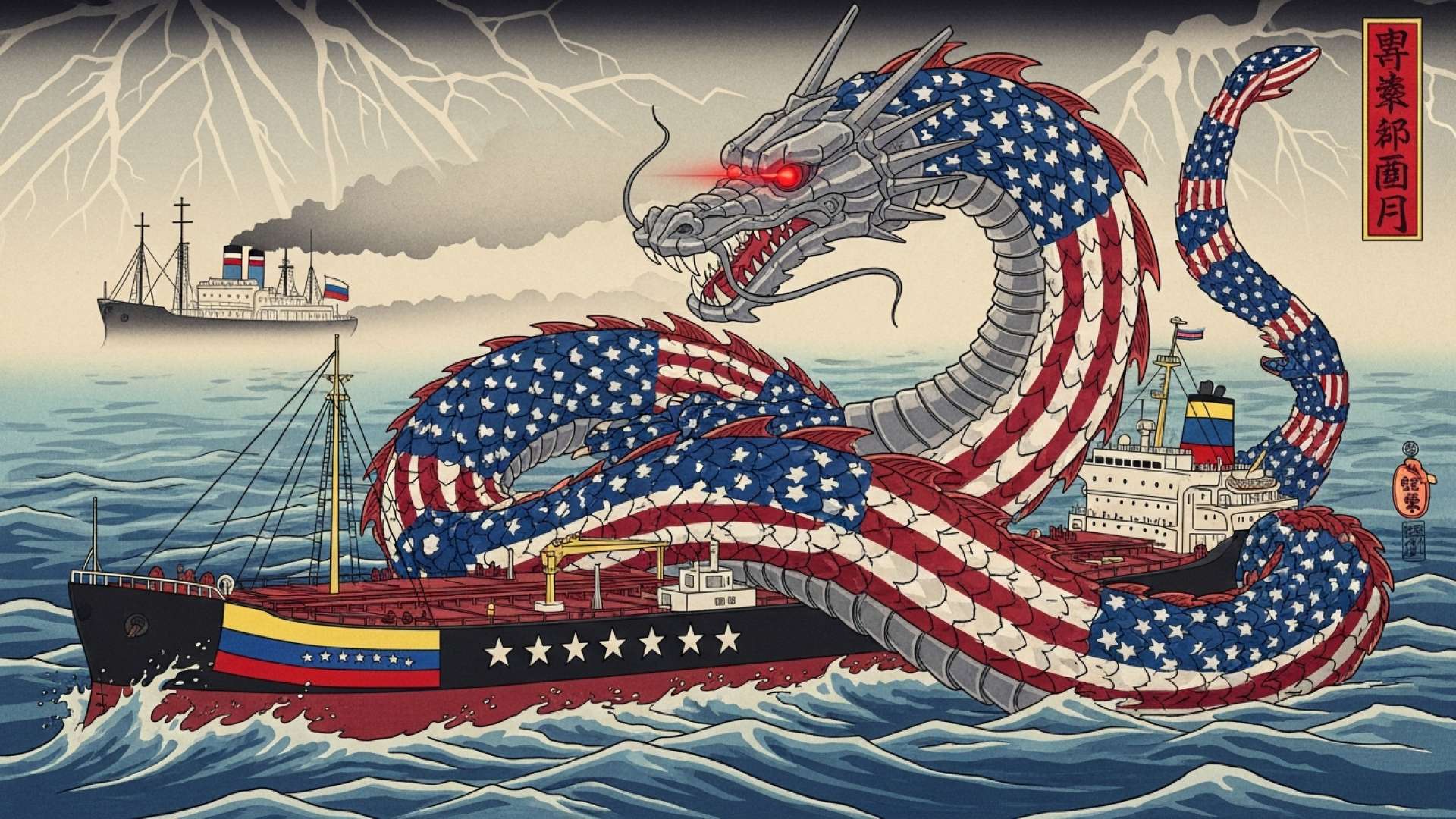
The decision to let these waivers lapse signals a move toward "total economic friction." The U.S. is no longer content with merely capping the price of Russian oil; it now seeks to actively dismantle the "shadow fleet" of aging tankers that Moscow uses to bypass Western insurance and shipping services. This is a move from passive containment to active disruption.
The Mechanics of the Shadow Fleet
To understand why this waiver expiration matters, one must look at how Russia and Iran have stayed afloat. They don't use standard shipping lanes or reputable Greek tankers. Instead, they rely on a ghost network of vessels with opaque ownership, often flying "flags of convenience" from nations like Panama or Liberia.
These ships operate without Western P&I (Protection and Indemnity) insurance. By allowing waivers to expire, the U.S. is signaling to maritime authorities and secondary markets that the risks of hosting or servicing these vessels have just become an existential threat to their own balance sheets. We are seeing a transition from targeting the commodity to targeting the logistics.
The Iranian Equation and the Middle East Powderkeg
Iran presents a more volatile challenge than Russia. While Russian oil is largely a story of European displacement and Asian pivots, Iranian oil is a tool of regional leverage. Tehran has become a master of "ship-to-ship" transfers in the dark, where tankers turn off their transponders to swap cargo in the middle of the ocean.
Washington’s refusal to extend waivers is a direct response to Iran’s increased aggression through its proxies. The logic is simple: starve the treasury, starve the militia. But the execution is fraught with danger. China remains the primary customer for Iranian "teasing" barrels—oil often rebranded as Malaysian or Middle Eastern to skirt detection. By tightening the screws, the U.S. is effectively forcing a confrontation with Beijing’s energy security.
China has shown little interest in complying with American dictates. If the U.S. starts slapping secondary sanctions on Chinese banks that process Iranian oil payments, the trade war enters a dangerous new phase. This isn't just about oil anymore; it’s about the dominance of the U.S. dollar as the world’s reserve currency.
The Domestic Risk Profile
Domestically, the timing is precarious. An election year is always a bad time to mess with the price of a gallon of gas. The administration is banking on three factors to keep the peace at the pump:
- Record U.S. Production: The United States is currently producing more crude oil than any country in history. This domestic surge acts as a natural hedge against foreign supply shocks.
- Economic Slowdown in China: As the Chinese economy stutters, its thirst for oil has softened, creating a temporary surplus in the global market.
- The SPR Buffer: Although the Strategic Petroleum Reserve is at its lowest level in decades, the administration has shown a willingness to tap it to blunt any sudden price jumps.
If any of these three pillars crumble, the decision to end waivers will be viewed as a self-inflicted wound.
Secondary Sanctions and the Pressure on India
India has emerged as the Great Arbitrator of sanctioned oil. By importing record amounts of Russian Urals and refining them into diesel for the European market, New Delhi has kept the global diesel market from collapsing while simultaneously filling its own coffers.
The expiration of waivers puts India in a corner. Until now, Indian refiners could argue they were operating within the spirit of the law. Now, the legal gray area is shrinking. The U.S. is essentially telling New Delhi that the "Russian discount" is no longer worth the risk of losing access to the American financial system.
The Refining Shell Game
It works like this: A refiner in Gujarat buys Russian crude at $55 a barrel. They process it into ultra-low sulfur diesel. That diesel is then sold to a buyer in Amsterdam. Since the product has been "substantially transformed," it is technically no longer Russian. This shell game kept the lights on in Europe last winter. By removing waivers, the U.S. is tightening the definition of what constitutes a violation, making it harder for these refiners to secure letters of credit from international banks.
The Fragility of the Global Tanker Market
The most overlooked factor in this escalation is the physical state of the world's tanker fleet. Because so much oil is being moved by the "shadow fleet," the pool of "clean" tankers—those that follow international regulations and carry valid insurance—is shrinking.
When the U.S. pulls the plug on waivers, it forces more oil into the shadow fleet. These are often older ships that are poorly maintained. We are not just looking at a price shock; we are looking at an increased risk of a catastrophic oil spill in the Malacca Strait or the Red Sea. The environmental risk is the silent passenger in this geopolitical maneuver.
The OPEC+ Wildcard
Saudi Arabia and its partners in OPEC+ are watching this with calculated interest. For the Saudis, higher prices are a boon for their "Vision 2030" projects. However, they also know that if prices go too high, they accelerate the transition to electric vehicles and renewable energy in the West, destroying long-term demand.
The expiration of U.S. waivers gives OPEC+ immense power. They are now the only ones with significant "spare capacity." If Riyadh decides not to increase production to offset the loss of Russian and Iranian barrels, the U.S. will be forced to choose between its foreign policy goals and its domestic economic stability. It is a leverage point that Crown Prince Mohammed bin Salman knows how to use.
The Logistics of Enforcement
How does the U.S. actually enforce the end of these waivers? It isn't done with warships; it's done with spreadsheets. The Office of Foreign Assets Control (OFAC) is the primary weapon. By blacklisting specific hull numbers and the shell companies that own them, the U.S. makes those ships radioactive. No port wants to let them dock, and no bunker provider wants to sell them fuel.
But this is a game of Whac-A-Mole. A ship blacklisted on Tuesday can be renamed and re-flagged by Thursday. The end of waivers signals that the U.S. is prepared to increase the frequency and intensity of these "strikes" on the maritime industry.
The Myth of Energy Independence
Despite the record production, the U.S. is still tethered to the global market. We produce light, sweet crude, but many of our refineries—built decades ago—are designed for the heavy, sour crude that comes from places like Russia, Iran, and Venezuela. This mismatch means we must export what we produce and import what we need.
When the government cuts off access to foreign heavy crude by ending waivers, it forces U.S. refiners to find alternatives from places like Canada or Mexico. If those pipelines are full or those producers have already committed their supply elsewhere, the cost of refining goes up. The consumer pays the difference.
The Long Road to Disruption
This isn't a temporary flare-up. The refusal to extend waivers represents a structural shift in how the U.S. uses its economic might. We are moving away from a world of globalized, fluid energy markets toward a bifurcated system. On one side, a Western-aligned market with high transparency and strict regulation. On the other, an "axis of the sanctioned" that operates in the shadows, fueled by Chinese demand and facilitated by a lawless maritime underground.
The immediate consequence will be increased volatility. Traders hate uncertainty, and the end of waivers is a massive injection of doubt into the market. We should expect higher "risk premiums" on every barrel of oil traded in the coming months.
The secondary consequence is the acceleration of non-dollar trade. Russia and China are already settling oil contracts in Yuan. Iran is exploring digital currencies and barter systems. By using the dollar-based financial system as a cudgel, the U.S. is inadvertently incentivizing its adversaries to build a parallel system that is immune to Western sanctions.
The gamble is that the pain inflicted on Moscow and Tehran will be so severe that they will be forced to the negotiating table before their parallel system becomes viable. It is a race against time, and the starting gun has just fired.
Companies operating in the energy space must now audit their supply chains with a level of scrutiny previously reserved for defense contractors. The "I didn't know" defense is dead. Any entity found handling oil that originated in a sanctioned port, regardless of how many times it was transferred at sea, now faces the full weight of the U.S. Treasury. This is the new reality of the energy landscape: every barrel comes with a political signature, and the price of ignoring that signature is total exclusion from the global economy.
The markets have spent months pricing in a "soft landing" for energy sanctions. They were wrong. The landing will be hard, the friction will be constant, and the era of easy exemptions is over. Refiners, shippers, and speculators should prepare for a period where the flow of oil is dictated more by the State Department than by the laws of supply and demand.