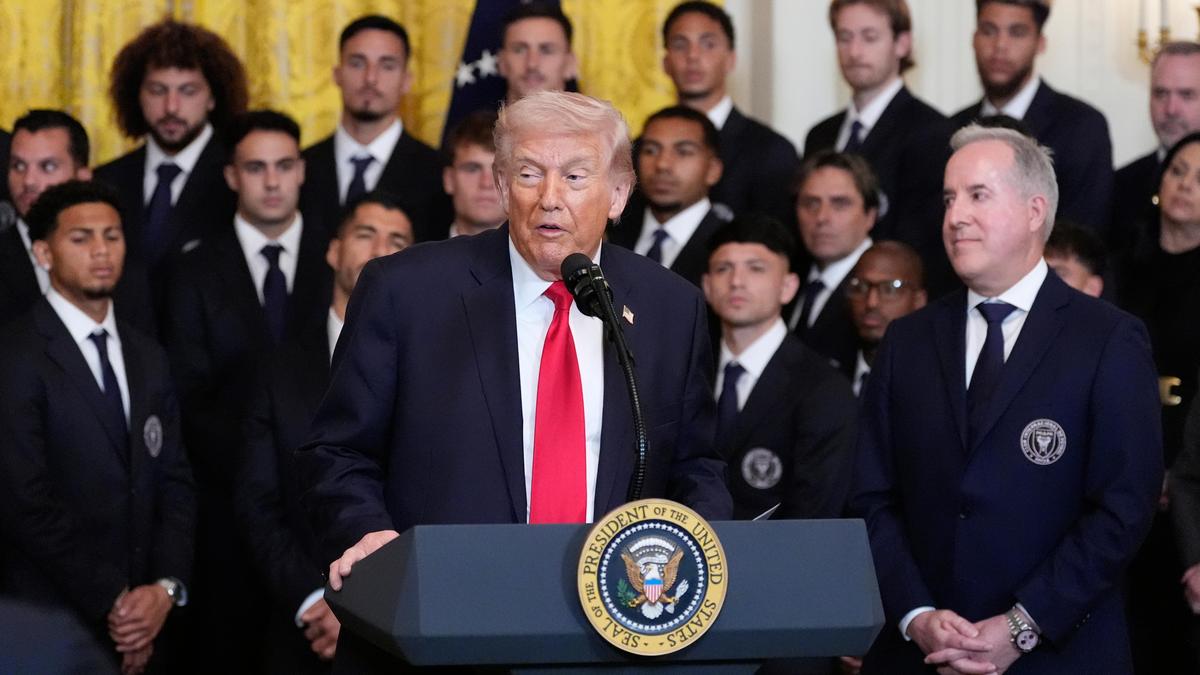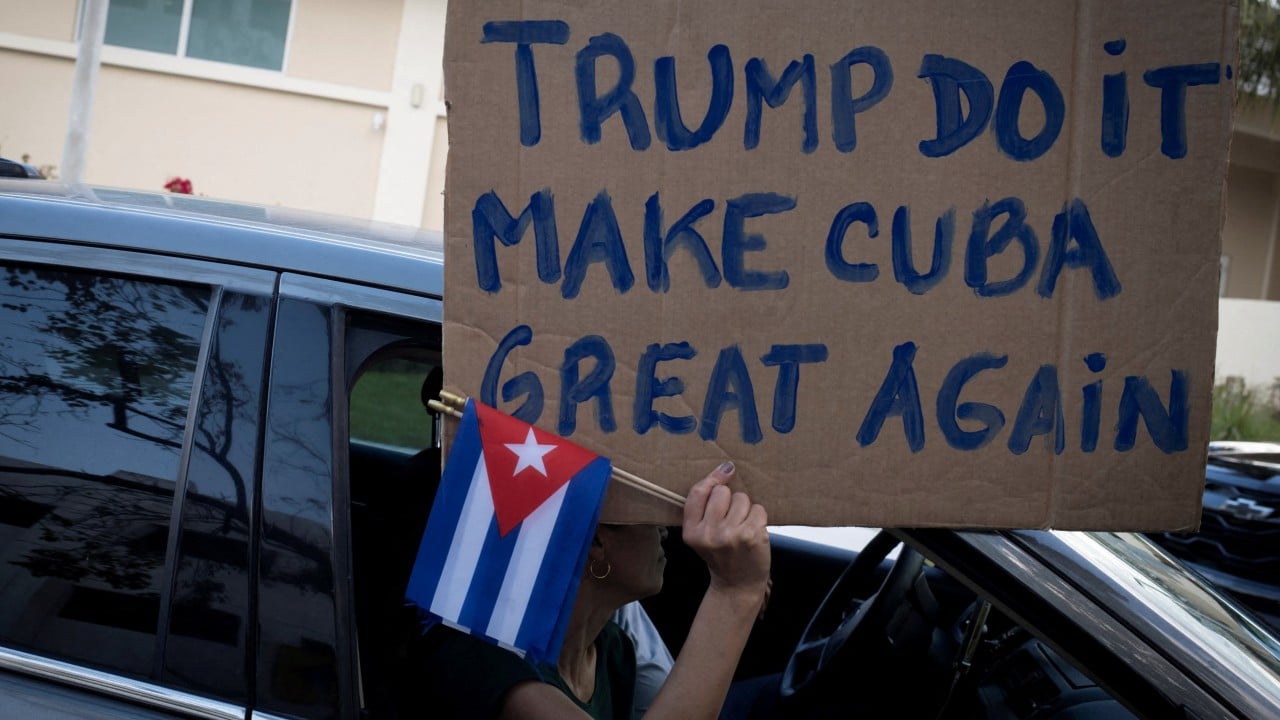
The American political establishment is addicted to the "any day now" fantasy regarding Cuba. For sixty years, the script hasn’t changed. A politician stands at a podium in Miami, points a finger toward the Florida Straits, and declares that the regime is on its last legs. They point to the blackouts, the bread lines, and the historic migration numbers as proof of a terminal decline.
They are misreading the room. Again.
Predicting the "fall" of the Cuban government based on economic misery is a rookie mistake that ignores the structural mechanics of authoritarian survival. If poverty and infrastructure collapse were enough to topple the Communist Party of Cuba (PCC), the "Special Period" of the 1990s—where the GDP contracted by over 35% after the Soviet Union pulled the plug—would have done the job. It didn't.
Today’s pundits are looking at a broken economy and seeing a revolution. I look at that same broken economy and see a state that has mastered the art of "managed failure."
The Myth of the Breaking Point
Western analysts love to talk about "breaking points." They assume there is a mathematical threshold of suffering where a population collectively decides to overthrow its masters. This is a linear delusion.
In reality, the Cuban state doesn't need a functioning power grid to maintain power. It needs a functioning security apparatus. As long as the Ministerio del Interior (MININT) and the Fuerzas Armadas Revolucionarias (FAR) are fed, paid, and invested in the status quo, the regime remains upright. The "fall" that outsiders predict is predicated on the idea that the military will eventually side with the protesters.
I’ve spent years analyzing high-stakes geopolitical risk, and the data on Cuba suggests a different path. The Cuban military is not just a defense force; it is the country's largest holding company. Through GAESA (Grupo de Administración Empresarial S.A.), the military controls the tourism sector, the foreign exchange stores, and the port logistics. When a politician says the country is "falling," they forget that the people holding the guns also hold the keys to the only profitable bank accounts in the country. They aren't going to overthrow themselves.
Why Migration Is a Safety Valve, Not a Threat
The media looks at the record-breaking exodus of Cubans—over 425,000 to the U.S. in the last two years alone—and calls it a sign of state failure. It’s actually a strategic win for Havana.
Think of the Cuban population as a pressure cooker. If you keep the lid on tight and crank the heat (inflation, food shortages), the vessel eventually explodes. Migration is the release valve. By allowing the most young, frustrated, and motivated citizens to leave, the regime exports its primary opposition.
Instead of a 22-year-old protesting in the streets of Sancti Spíritus, you have a 22-year-old working in Hialeah. Within six months, that person is sending $200 a month back home in remittances. The state then captures a massive percentage of those dollars through its state-run stores. The "collapse" actually creates a more stable, dollarized revenue stream for the government while draining the country of the very people needed to start a movement.
The China-Russia-Iran Lifeline
The "fall pretty soon" narrative assumes Cuba is isolated. This is a massive blind spot. In a multipolar world, Cuba has become a strategic piece of real estate for America's primary adversaries.
While the U.S. remains locked in a Cold War-era embargo, China is upgrading Cuba's telecommunications and "electronic eavesdropping" capabilities. Russia is negotiating long-term land leases and shipping oil to keep the lights on—just enough to prevent total anarchy. These powers don't care if the Cuban people have eggs; they care that the U.S. has a permanent thorn in its side 90 miles off the coast.
$30 billion in debt was forgiven by Russia in 2014. Why? Because the geopolitical "rent" for that island is worth more to Moscow than the cash. Any prediction of a collapse that doesn't account for the survival interests of the Kremlin or Beijing is pure fiction.
The Private Sector Trap
There is a new "lazy consensus" among some moderates: that the rise of pymes (small and medium-sized private enterprises) will lead to a democratic opening. This is the "Change through Trade" fallacy that failed in China, now being applied to the Caribbean.
The Cuban government isn't legalizing small businesses because they believe in the invisible hand of the market. They are doing it because the state can no longer afford to be the sole employer. By allowing people to open bakeries and repair shops, the state offloads the burden of providing for the citizenry while maintaining the power to revoke licenses at any moment.
It’s not capitalism; it’s feudalism with an iPhone. If a business owner gets too successful or too vocal, the state shuts them down. If they stay quiet and pay their taxes, they become a buffer that prevents the general population from starving. This doesn't weaken the regime; it subsidizes its survival.
Stop Asking "When?" and Start Asking "How?"
The premise of the question "When will Cuba fall?" is fundamentally flawed. It implies a singular event—a fall of the Berlin Wall moment. But the Cuban reality is a slow, grinding "Vietnamization" of the economy where the state remains authoritarian but the citizens are left to scavenge in a semi-private wasteland.
The status quo persists because the cost of revolution is too high and the rewards of leaving are too accessible. The United States has spent decades waiting for a collapse that is constantly scheduled for next Tuesday.
If you want to understand the reality on the ground, stop listening to the campaign trail rhetoric. Look at the balance sheets of GAESA. Look at the naval signals in Havana Harbor. Look at the remittance flow. The regime isn't "falling." It's mutating.
Stop waiting for a collapse that isn't coming and realize that a stagnant, authoritarian, and resilient Cuba is exactly what the current system is designed to produce. The tragedy isn't that the end is near; it's that this slow-motion decay can last another fifty years.
The next time a politician promises a "free Cuba" by the end of their term, check their math. It has never added up.