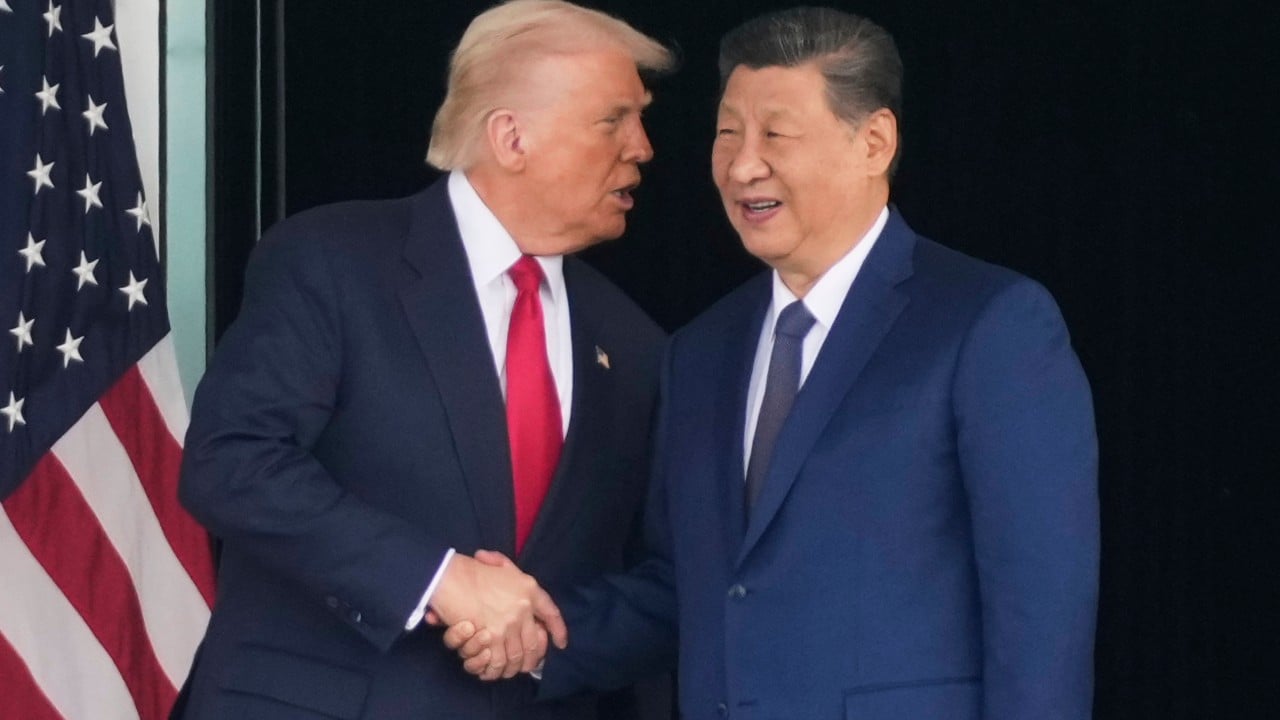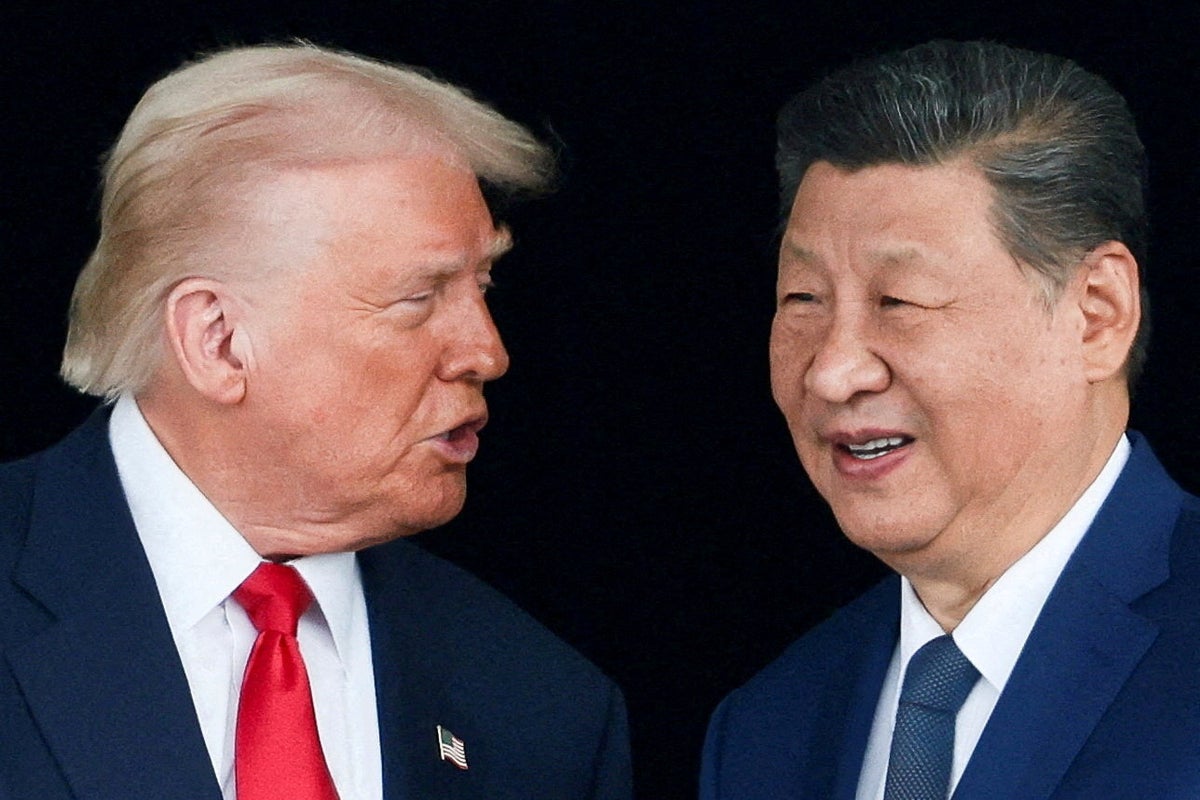
Donald Trump just touched down in Beijing for the first time since returning to the White House, and if you think this is just another diplomatic photo op, you’re missing the bigger picture. This isn't 2017. The world has changed, the leverage has shifted, and the stakes for your wallet and global security are significantly higher. Trump and Xi Jinping are sitting down on May 14–15, 2026, to figure out if they can stop the global economy from cannibalizing itself.
The reality is that both men are backed into corners. Trump needs a win before the November midterms to distract from shaky job numbers and high petrol prices. Xi needs a break from the "tit-for-tat" tariff wars that have been grinding down Chinese manufacturing. They aren't looking for a "grand bargain" or a friendship reset. They’re looking for a tactical truce.
The Board of Trade and the End of the Tariff War
The biggest piece of news likely to come out of this summit is the creation of a "Board of Trade." It sounds like a boring government agency, but it’s actually a desperate attempt to fix the failed promises of the 2020 Phase One deal. Trump knows China didn't hit those old purchase targets. This time, he’s pushing for a joint body of senior officials to oversee implementation in real-time.
For you, this means potentially lower prices on imported electronics and car parts, but there’s a catch. Trump is using a "list-based" approach.
- Non-sensitive goods: Think sofas, toys, and basic chemicals. These could see massive tariff cuts.
- High-tech goods: Semiconductors and AI hardware stay locked down.
If they extend the "Busan Trade Truce" agreed upon in October 2025, we might avoid the return of record-high tariffs scheduled for November 2026. If they don't? Expect a massive inflationary spike just in time for the holidays.
The Iran Connection and the Energy Crisis
You might wonder why a trip to China involves the Middle East. It’s simple: Trump needs Xi to help him end the conflict in Iran and reopen the Strait of Hormuz. High energy costs are killing the U.S. economy, and China is the only country with enough influence in Tehran to move the needle.
Xi has leverage here. China has been stockpiling oil and leading in renewables, making them less vulnerable to the energy crisis than the U.S. or Europe. Xi won't give Trump a "win" on Iran for free. He wants a "Board of Investment" to match the trade board, effectively making it easier for Chinese companies to put money back into American soil without being blocked by national security hawks every five minutes.
Rare Earths and the TikTok Model
Everyone’s talking about the "TikTok model" as the blueprint for future tech fights. The joint venture finalized in January 2026—where ByteDance kept a minority stake but Oracle took over data security—is being touted as the way to handle every other Chinese app or tech service under fire.
But the real quiet war is over rare earth elements. Last year, China showed its teeth by restricting exports of magnets and minerals essential for EVs and defense tech. It was a wake-up call for Washington. Trump is in Beijing to secure a steady supply of these minerals. Without them, the American green energy transition and high-tech defense manufacturing basically ground to a halt.
The Taiwan Question and the Reagan Assurances
Taipei is nervous, and they have every right to be. Trump mentioned discussing arms sales to Taiwan in a phone call back in February, which sent shockwaves through the region. The fear is that Trump, in his quest for a "great deal" on trade or Iran, might soften the U.S. stance on Taiwan.
Xi’s top priority remains "reunification," and he’ll likely use the summit to push for a reduction in U.S. arms sales as a quid pro quo for economic stability. If Trump wavers on the "Six Assurances" established by Reagan, it’ll fundamentally change the security balance in the Indo-Pacific. Don’t expect a public statement on this, though. The real deals on Taiwan happen behind closed doors.
What this means for your money
- Watch the agricultural sector: If Xi commits to buying massive amounts of soybeans and corn again, expect midwest agricultural stocks to jump.
- Tech volatility: Don't expect the "Entity List" to vanish. Any company involved in chips or AI is still in the crosshairs.
- Currency swings: A successful summit usually leads to a temporary strengthening of the Yuan and a stabilizing of the Dollar.
What happens next
Keep your eyes on the joint readouts on May 15. Don't look for flowery language about "partnerships." Look for specific numbers on agricultural purchases and the official naming of the "Board of Trade" members. If those aren't there, the summit was a bust, and we’re heading back into a trade war by November.
If you're an investor or a business owner, now is the time to audit your supply chain.
- Identify any components that rely on the rare earth minerals China currently controls.
- Hedge against potential price hikes in late 2026 if the Busan truce isn't officially extended.
- Monitor the Strait of Hormuz situation; a China-brokered peace deal would be the biggest market catalyst of the year.
This trip isn't about peace; it's about managing a rivalry so it doesn't bankrupt both sides.