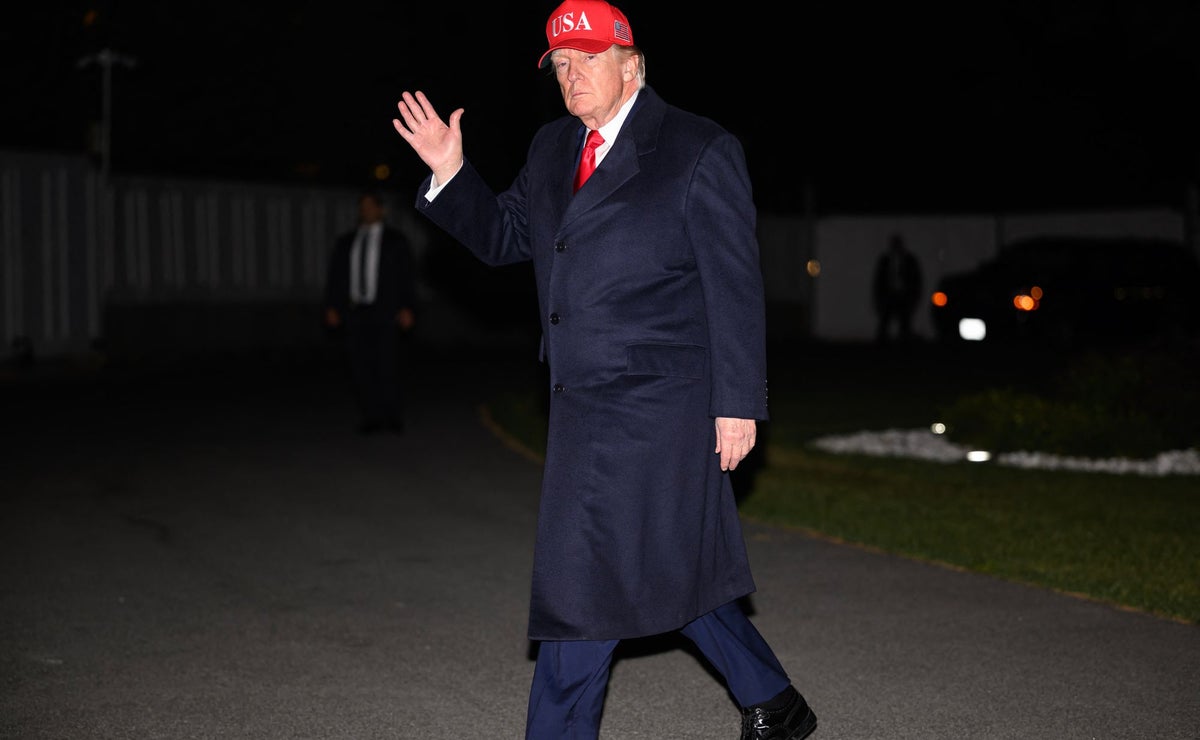
Donald Trump has always been a master of the "drill, baby, drill" narrative, but even he's starting to admit that slogans don't fill gas tanks. During a recent interview on Sunday Morning Futures, the president finally leveled with the public. He conceded that gas prices could stay high—or even climb further—as we head toward the November midterms. It's a rare moment of fiscal realism from a man who usually promises immediate prosperity, and it has the GOP in a full-blown panic.
For months, the Republican strategy was simple: blame the previous administration for everything and promise that Trump's return would instantly lower the cost of living. But now that he's back in the White House, the "inflation-free" era he promised is hitting a wall of geopolitics and war.
The Strait of Hormuz is the GOP's biggest nightmare
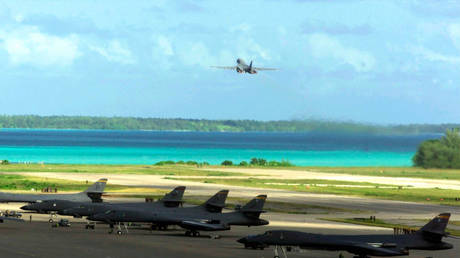
You can't just wish away the global oil market. The current price spike isn't just a random fluctuation; it's the direct result of Operation Epic Fury and the escalating conflict with Iran. With the Strait of Hormuz essentially closed, about 20% of the world's oil is stuck behind a naval blockade.
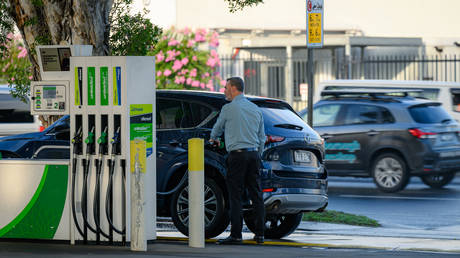
Trump argues that the short-term pain of $4.37 per gallon—nearly double what it was when he took office in early 2025—is a small price to pay to stop Iran's nuclear program. That sounds great in a high-level briefing room. It sounds a lot less convincing when you're at a Shell station in the suburbs of Pennsylvania watching the total on the pump cross $80.
The math for the midterms is brutal. Historically, when oil stays above $100 a barrel, the party in the White House loses an average of 29 House seats. Speaker Mike Johnson is currently sitting on a four-seat majority. You don't need a PhD in political science to see why the GOP's top strategists are losing sleep.
Why gas prices act like a rocket but fall like a feather
One of the biggest frustrations for voters—and one that Trump is now forced to acknowledge—is the "asymmetry" of fuel costs. Economists at the Stanford Institute for Economic Policy Research have famously described this as prices rising "like a rocket" and falling "like a feather."
Even if the war ended tomorrow and the blockade was lifted, gas prices wouldn't plummet overnight. It takes weeks for the supply chain to stabilize and for retailers to lower their prices. This means that even in the best-case scenario for the administration, voters will likely still be feeling the sting of expensive fuel when they walk into the voting booth this November.
The ripple effect on your grocery bill
High gas prices aren't just about your commute. They’re a tax on every single thing you buy.
- Transportation costs: Shipping companies are passing their fuel surcharges directly to you.
- Fertilizer prices: Crude oil byproducts are essential for agriculture; when oil spikes, food prices follow.
- Airfare: Jet fuel costs have already pushed ticket prices up by nearly 15% over last year.
Trump’s internal polling shows his approval rating among independents has dipped to 31%. These voters don't care about the long-term geopolitical goal of neutralizing Iran if they can't afford their weekly grocery run.
The GOP is failing the suburban test
If you want to know who will win the midterms, look at the suburbs of Atlanta, Phoenix, and Detroit. These are the areas where people drive the most and where "pocketbook issues" decide elections. A senior Republican strategist recently admitted that the party is "bleeding support" in these regions.
The administration has tried to blunt the damage by releasing 172 million barrels from the Strategic Petroleum Reserve and waiving the Jones Act. These are "break glass in case of emergency" moves. So far, they've only managed to stop the prices from hitting $6.00, but they haven't brought them back down to the "Trump levels" voters expected.
What you should do to prepare
Don't wait for a political miracle to fix your budget. Since the president himself is signaling that relief isn't coming before November, you need to hedge against higher costs now.
- Lock in travel plans early: If you're planning a trip for the summer or late fall, buy your tickets now. Airline prices are lagging behind the oil spike, but they won't stay there.
- Audit your fuel consumption: It sounds basic, but using apps like GasBuddy to find the cheapest local stations or joining wholesale club fuel programs can save you $10-$15 per fill-up.
- Watch the Fed: Higher gas prices mean higher inflation, which means the Federal Reserve is going to keep interest rates high. If you're planning on refinancing or taking out a loan, the window for lower rates has likely closed for the year.
The "roaring economy" Trump promised at the State of the Union is currently looking more like a slow crawl. For the GOP, the mission has shifted from "victory lap" to "survival mode." Whether they can survive the fallout of $100 oil is anyone's guess, but the president's recent admission suggests even he knows the odds aren't in their favor.