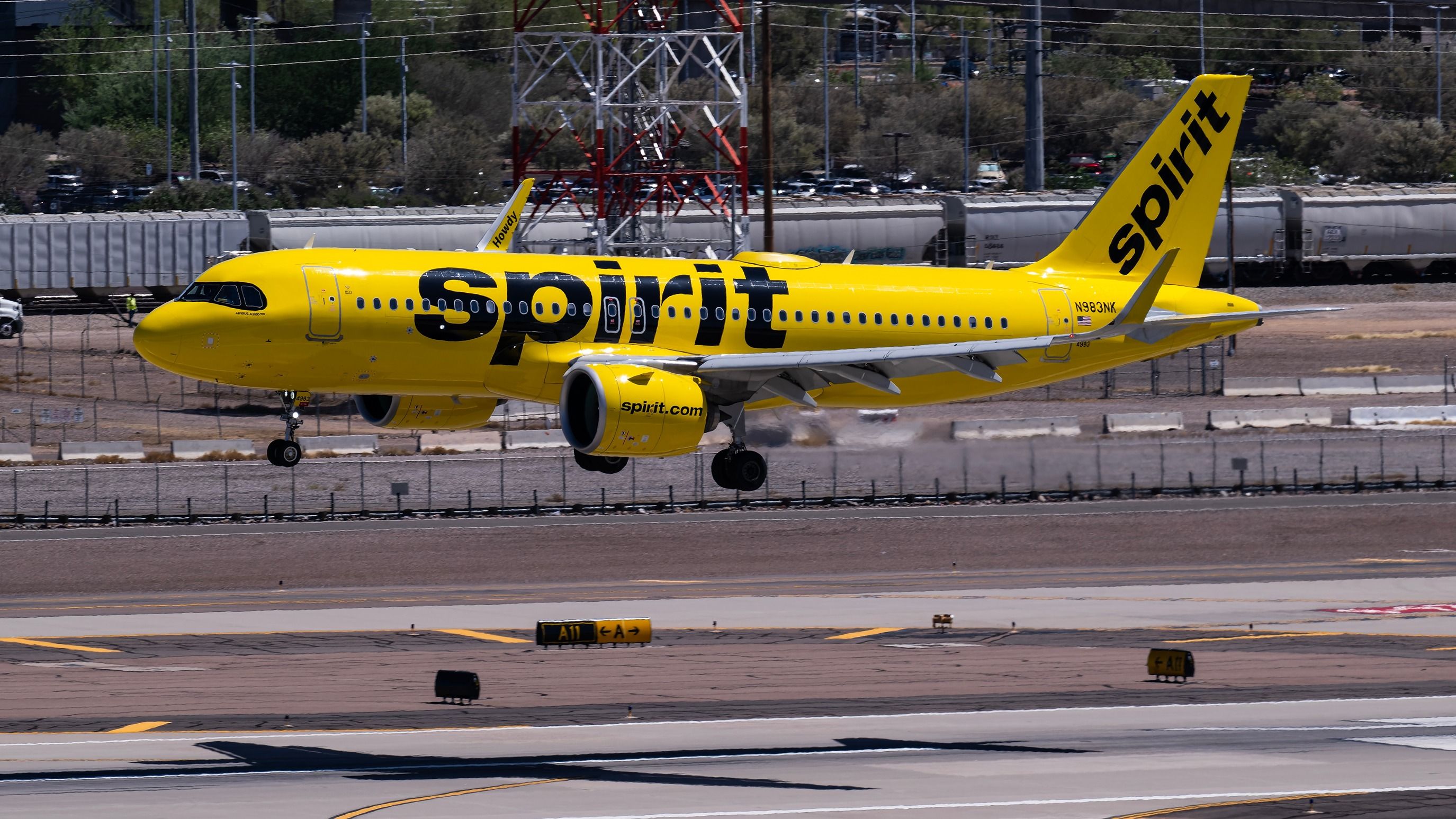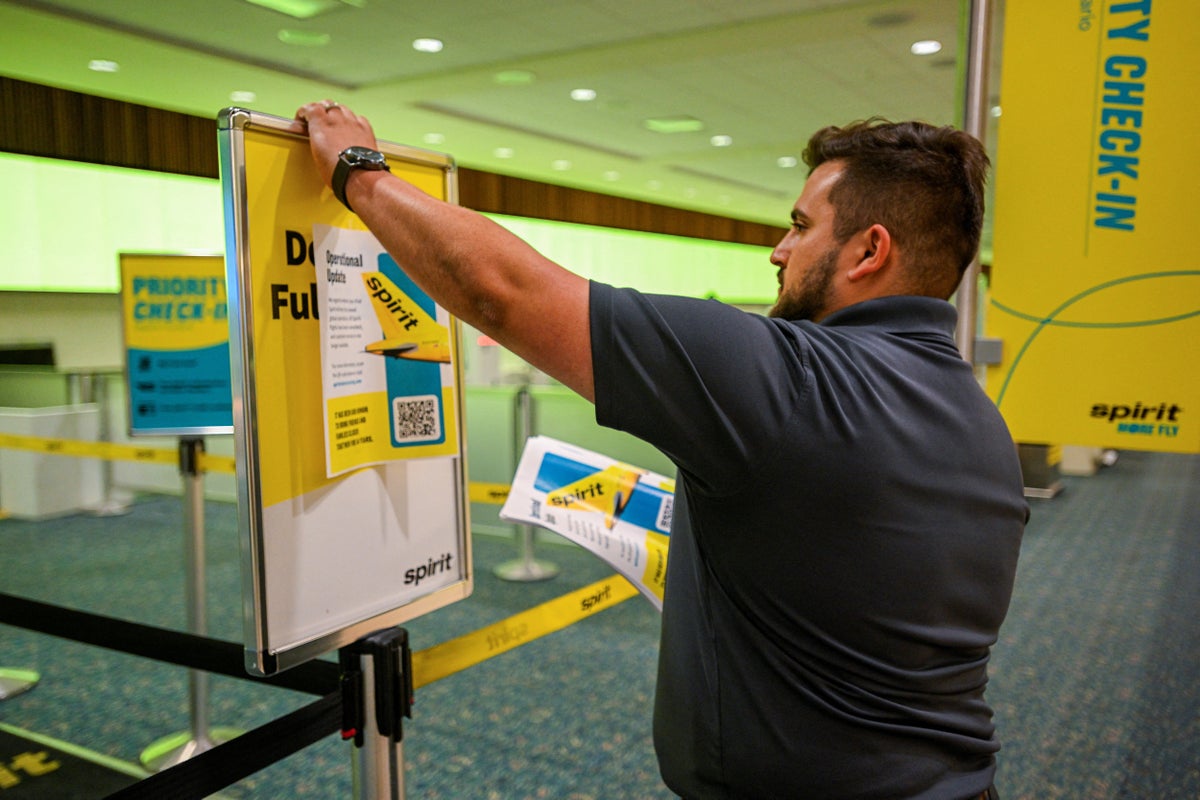
Spirit Airlines just pulled the plug. If you’ve got a flight booked or a voucher sitting in your inbox, the reality is harsh. The yellow planes are staying on the ground. This isn't a slow wind-down or a strategic reorganization under bankruptcy protection where things keep moving. It's a full stop.
You’re likely staring at a confirmation email for a trip that isn’t going to happen. Don't wait for a polite customer service rep to call you. They won't. The infrastructure is freezing up as we speak. You need to move fast to get your money back and find a way to your destination before every other stranded traveler snaps up the remaining seats on United or Delta.
The Brutal Reality of the Spirit Shutdown
Spirit struggled for years. We saw the signs. Failed mergers, engine issues, and a mountain of debt created a "perfect storm" that finally sank the ship. While other airlines managed to bounce back after the global travel lulls of the early 2020s, Spirit’s ultra-low-cost model hit a wall. High labor costs and a saturated market for cheap domestic flights meant they couldn't turn a profit even with packed planes.
When an airline shuts down immediately, the federal protections kick in, but they aren't magic. The Department of Transportation (DOT) has rules about refunds, but those rules are only as good as the company’s ability to pay. Because Spirit has officially ceased operations, your primary path to a refund isn't through their defunct website. It’s through your bank.
Your Immediate Action Plan for Refunds
Forget the Spirit app. It’s probably crashing or showing "server error" anyway. Your first move is a credit card chargeback. Under the Fair Credit Billing Act, you have the right to dispute charges for services not rendered. Since the airline isn't flying, they aren't rendering the service you paid for.
Call your bank. Tell them the merchant has "ceased operations" and is "unable to provide the service." This usually triggers an immediate temporary credit while they investigate. If you paid with a debit card, the process is harder and depends on your bank’s specific policies, but you should still file a claim for a "service not received."
Don't forget the extras. If you paid for "Big Front Seats," checked bags, or even those overpriced onboard snacks in advance, include those in your total dispute amount. Every dollar counts when you’re about to pay a premium for a last-minute replacement flight.
Finding a Way Home Without Breaking the Bank
Other airlines know you're stranded. In past collapses—think Air Berlin or Thomas Cook—competitors sometimes offered "rescue fares." These are discounted tickets for passengers holding a confirmed booking on the failed carrier.
Keep your Spirit confirmation number handy. When you call a different airline, ask specifically if they have a policy for stranded Spirit passengers. They don't always advertise these on their homepages. You’ll have better luck talking to a human than fighting an algorithm on a search engine.
Check smaller, regional airports. If you were flying out of a massive hub like Fort Lauderdale or Orlando, the lines at other counters will be soul-crushing. Look at secondary airports where low-cost carriers like Avelo or Breeze operate. They might have the capacity that the "Big Three" lack right now.
The Ripple Effect on the Travel Industry
This isn't just about one airline. Spirit’s exit removes a massive amount of "cheap" seats from the market. When supply drops and demand stays the same, prices go up. It's basic economics. Expect domestic flight prices to jump by 15% to 20% in the coming weeks as other airlines realize they no longer have to compete with Spirit’s $39 fares.
Frequent fliers are also wondering about their Free Spirit points. Honestly? They’re likely worthless. Loyalty points are unsecured debt. In a total shutdown, point holders are at the very back of the line behind fuel suppliers, aircraft lessors, and employees. If you can still log in and see a way to spend them on a magazine subscription or a gift card through a third-party portal, do it this second. Tomorrow, that portal will be closed.
Why the Merger Failure Was the Final Nail
We have to look at why this happened to avoid being caught off guard next time. The blocked JetBlue merger was the beginning of the end. Regulators argued that killing Spirit would hurt consumers by removing a low-cost option. The irony is bitter. By preventing the merger, they left Spirit to wither alone.
Without the capital infusion from JetBlue, Spirit couldn't fix its balance sheet. They were stuck with Pratt & Whitney engine issues that grounded dozens of their Neo aircraft. You can't make money when your most efficient planes are sitting in a hangar waiting for parts that aren't coming. It was a slow-motion wreck that just hit the wall.
What to Do If You Are Currently at the Airport
If you’re reading this while standing in a terminal, go to the ticket counter of a different airline immediately. Do not stay in the Spirit line. There is nobody there who can put you on a new flight.
- Document everything. Take photos of the closed Spirit counters and the "Cancelled" status on the monitors. You’ll need this for insurance claims.
- Check your credit card benefits. High-end cards like the Chase Sapphire Reserve or Amex Platinum have built-in trip cancellation and interruption insurance. They might cover the cost of a hotel or a new flight up to a certain limit.
- Book the first thing you find. Prices are literally rising every minute as your fellow passengers realize what's happening. If you see a seat that gets you within 100 miles of your destination, take it. Grab a rental car or a bus for the final leg.
Stop Waiting for an Official Email
The company is gone. The executives are likely busy with legal filings, not customer outreach. If you have travel insurance through a third party like Allianz or Travel Guard, call them now. Most policies cover "financial default" of a common carrier, but only if you bought the policy before the shutdown became public knowledge.
The era of the "Ultra Low-Cost Carrier" in America is shifting. We're seeing a consolidation of power that will make travel more expensive and less accessible for the casual flyer. This shutdown is a wake-up call. Always pay with a credit card. Always have a backup plan. And never assume a ticket is a guarantee until you're actually in the air.
Get on the phone with your bank now. Every minute you wait puts you further back in the queue for the limited funds available for recovery. Move. Now.