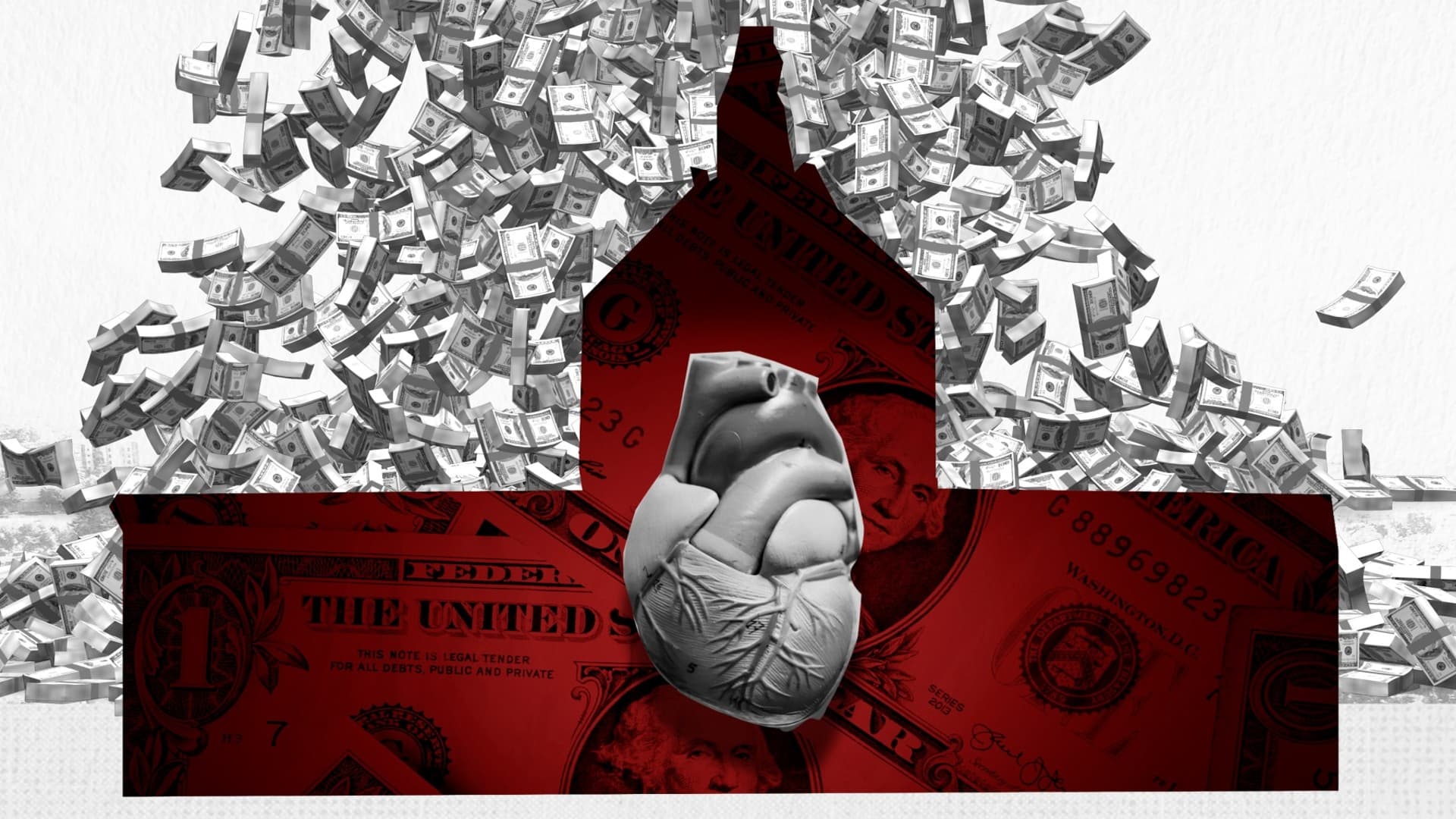
The John F. Kennedy Center for the Performing Arts serves as a national monument and a functional production engine, yet its current physical state presents a classic case of deferred maintenance debt colliding with evolving audience expectations. When a cultural institution argues for massive capital expenditure, it is rarely about aesthetics alone; it is a defensive maneuver against the escalating costs of operational inefficiency and the terminal decline of asset utility. The Center’s push for renovation is a bid to reset its Total Cost of Ownership (TCO) and pivot from a mid-20th-century spectator model to a 21st-century experiential model.
The Calculus of Institutional Decay
The primary driver behind this renovation is the widening gap between the building’s original design capacity and its current load requirements. This is not merely a matter of "old pipes." It is a fundamental mismatch in architectural throughput.
1. Thermal and Mechanical Inefficiency
The Kennedy Center operates on legacy HVAC and environmental control systems that were designed in an era of cheap energy and lower occupancy standards. In modern facility management, the Energy Use Intensity (EUI) of a legacy performing arts center often sits 40% to 60% higher than a modernized peer.
- Thermal Bridging: The expansive marble exterior, while iconic, acts as a massive heat sink or radiator depending on the season.
- Systemic Failure Risk: As components reach the end of their lifecycle, the cost of "spot repairs" exceeds the amortized cost of a full system replacement. This is the inflection point of diminishing returns, where every dollar spent on maintenance provides less than a dollar of extended asset life.
2. The ADA and Compliance Gap
Building codes are not static. The Kennedy Center faces a "compliance tax" where any minor modification triggers a requirement to bring entire sections up to current Americans with Disabilities Act (ADA) standards. The logic for a wholesale renovation stems from the realization that incremental updates are more expensive than a coordinated, large-scale overhaul that addresses universal access systematically.
The Shift from Spectator to Participant
The Kennedy Center’s original 1971 layout prioritizes the Proscenium Divide—the hard separation between the performer and the audience. However, the economics of modern arts institutions favor multimodal spaces.
Spatial Utility Ratios
In the current configuration, a significant percentage of the square footage is "dead space" during non-performance hours. The renovation strategy aims to increase the Utilization Rate of the building by:
- Converting rigid, single-use areas into flexible "third spaces" for education, rehearsal, and social interaction.
- Lowering the barrier to entry by creating transparency—literally and figuratively—through the use of glass and open sightlines. This reduces the "intimidation factor" of the brutalist/international style architecture, which research suggests inhibits younger demographic engagement.
The Revenue Function of Public Space
Modern cultural business models rely on Ancillary Revenue Streams. A building that is "closed" until 7:00 PM is a liability. By renovating to include cafes, interactive exhibits, and digital hubs, the Center shifts its revenue model from purely ticket-based to a diversified mix of food and beverage, memberships, and corporate activations. This transforms the facility from a cost center into a self-sustaining ecosystem.
Quantifying the Opportunity Cost of Inaction
If the Kennedy Center fails to execute this renovation, it enters a Death Spiral of Relevance. This process follows a predictable sequence:
- Technical Debt Accumulation: Small failures (leaks, flickering lights, poor acoustics) degrade the premium brand equity of the institution.
- Talent Attrition: High-tier performers and technical staff prefer venues with state-of-the-art rigging, lighting, and digital integration.
- Audience Churn: As the physical experience becomes uncomfortable or "dated," the cost of customer acquisition rises, requiring higher marketing spend to fill seats, which further depletes the budget available for facility repairs.
The Framework of Modernization
The renovation is categorized into three distinct workstreams, each addressing a specific failure point in the current infrastructure.
The Aesthetic-Functional Hybrid
Modernization must balance the preservation of Edward Durell Stone’s original vision with the demands of modern staging. This involves the "invisible renovation"—replacing the internal guts of the building while maintaining the historic facade. The complexity here lies in structural integration: how to thread miles of fiber optic cable and high-efficiency ductwork through a rigid, concrete-and-marble frame that was never intended to house them.
Acoustic Engineering and Noise Floor Reduction
The "noise floor" of a performance space is the level of ambient sound when no music is playing. Legacy systems are loud. Modern audiences, accustomed to high-fidelity digital audio, have a lower tolerance for the hum of 1970s-era ventilation. Lowering the noise floor requires a specialized application of mass-loaded vinyl (MLV), decoupled floors, and precision-engineered air diffusers. These are high-capital, low-visibility improvements that directly impact the core product: the performance.
Digital Infrastructure as a Primary Utility
In 1971, data was not a utility. Today, high-speed connectivity is as essential as water or electricity. The renovation treats bandwidth as a structural element, enabling:
- Real-time global streaming of performances.
- Immersive AR/VR experiences for visitors.
- Dynamic, data-driven facility management that uses sensors to optimize energy use based on real-time occupancy.
Risk Factors and Implementation Bottlenecks
A renovation of this scale carries significant Execution Risk. The Kennedy Center is a high-profile target for public scrutiny, meaning any budget overrun or timeline delay becomes a political liability.
- Supply Chain Volatility: The specific materials required for historic preservation (e.g., matching the original Carrara marble) are subject to global logistics bottlenecks.
- Operational Continuity: The Center must remain a functioning venue during much of the work. This necessitates a "phased deployment" strategy, which inherently increases the total project duration and cost compared to a complete shutdown.
- Stochastic Variables: In a building of this age, opening a wall often reveals "unknown unknowns"—asbestos, unexpected structural settling, or undocumented piping—that can instantly invalidate a project timeline.
The Strategic Pivot
The Kennedy Center is not just fixing a building; it is re-engineering its value proposition. The renovation serves as a physical manifestation of a strategic shift from being a "temple of the arts" to an "urban living room."
Success will be measured not by the completion of the construction, but by the change in Occupancy-to-Operating-Cost ratios. If the Center can increase its weekly foot traffic by 30% while reducing its per-square-foot energy cost by 20%, the renovation pays for itself within a 15-year horizon.
The move to renovate is a recognition that in the cultural sector, the building is the brand. To remain the national stage, the Kennedy Center must move beyond the static monumentality of its past and embrace a modular, efficient, and technologically integrated future. The investment is a hedge against obsolescence, ensuring the institution remains a viable node in the global cultural network rather than a decaying relic of the Cold War era.
The final strategic move for the board is to decouple the "maintenance" narrative from the "visionary" narrative. Pitching the renovation as a fix for broken toilets is a tactical error; it must be framed as the creation of a High-Performance Cultural Platform. This shifts the conversation from "why is it broken?" to "what can we achieve?" It moves the funding logic from a defensive repair to an offensive investment in national soft power and local economic vitality. Management should prioritize the "digital backbone" and "public transparency" phases of the renovation to demonstrate immediate, visible ROI to stakeholders and the public, creating the political capital needed to sustain the longer, more arduous structural phases of the project.