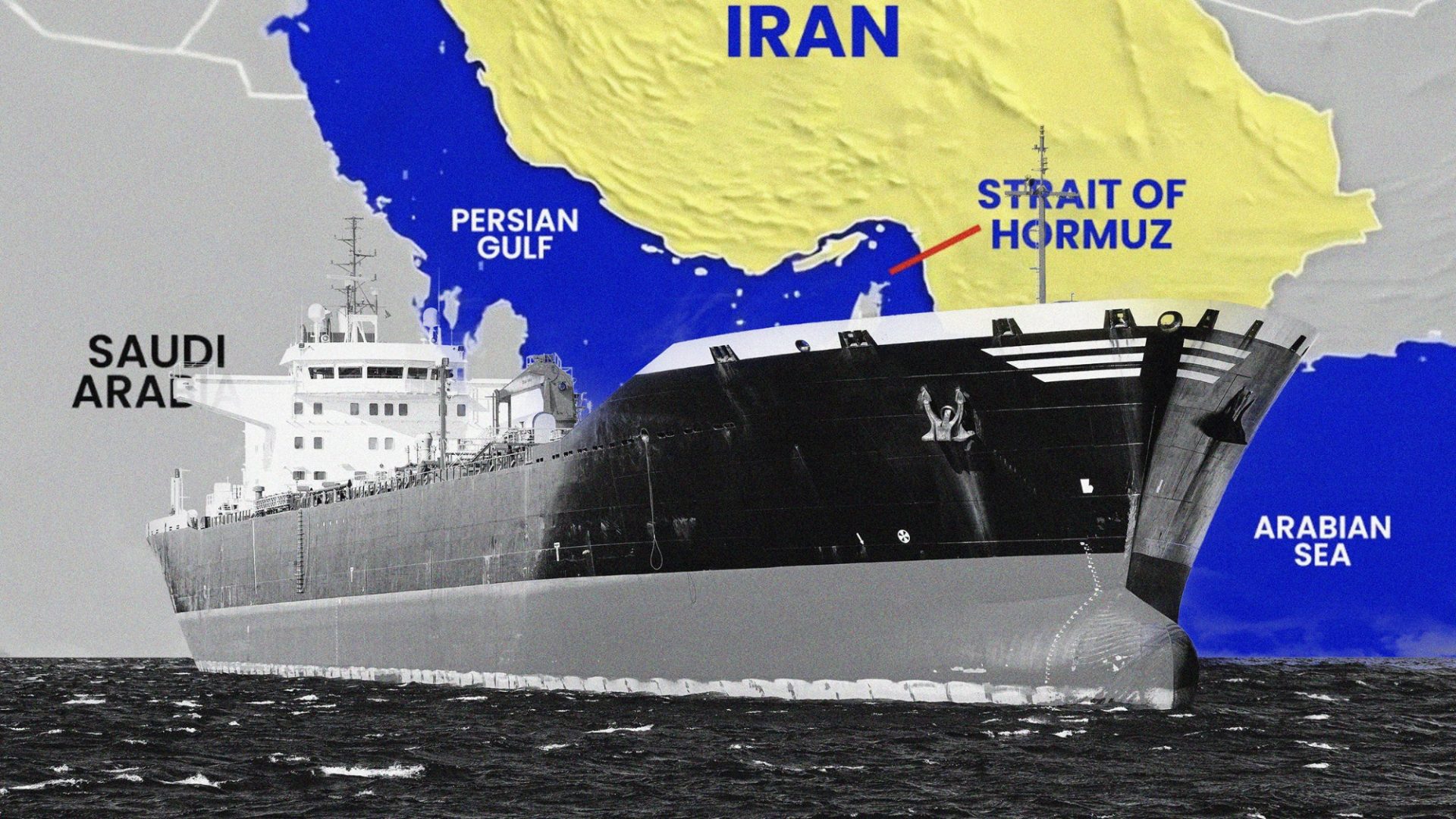
The Strait of Hormuz functions as a binary switch for global energy markets. With approximately 21 million barrels of crude oil and petroleum products passing through this 21-mile-wide choke point daily, any disruption is not merely a regional security issue but a systemic shock to the global supply chain. Military planners meeting in London are currently grappling with the reality that "reopening" the Strait is not a singular event, but a graduated process of kinetic clearance and psychological reassurance. Success in this theater depends on neutralizing three distinct vectors of interference: conventional naval interdiction, asymmetric swarm tactics, and the persistent threat of underwater improvised explosive devices (UIEDs).
The Kinetic Architecture of Blockade Neutralization
Reopening a contested waterway requires the systematic dismantling of an A2/AD (Anti-Access/Area Denial) envelope. The London summit centers on the Escalation Ladder of Maritime Restoration, which moves through four distinct phases:
- Sensor Dominance and Environmental Characterization: Establishing a persistent ISR (Intelligence, Surveillance, and Reconnaissance) bubble to map active threats.
- Minesweeping and Subsurface Sanitation: The most time-intensive phase, utilizing autonomous underwater vehicles (AUVs) to identify and neutralize bottom-dwelling mines.
- Active Escort and Point Defense: Implementing "Move-with" protection for high-value assets (VLCCs - Very Large Crude Carriers).
- Territorial Battery Suppression: Using precision strikes to disable shore-based anti-ship cruise missile (ASCM) sites.
The bottleneck is not fire-power, but Clearance Velocity. Standard mine countermeasure (MCM) operations are notoriously slow. If a hostile actor deploys a sophisticated mix of acoustic, magnetic, and pressure-sensitive mines, the "reopening" of the Strait could be delayed by weeks even after the surface threat is neutralized. This creates a disconnect between military capability and market expectations.
The Cost Function of Insurance and Risk Premium
The physical clearance of the Strait is only half of the strategic objective. The secondary, more complex goal is the restoration of commercial confidence. The global shipping industry operates on a thin margin-to-risk ratio. The Maritime Risk Multiplier is calculated based on three variables:
- War Risk Surcharges: These are levied by insurers the moment a zone is declared unsafe.
- Hull and Machinery Premiums: These can spike by 500% to 1,000% during active hostilities.
- The Demurrage Penalty: The cost incurred by ship owners when vessels are delayed or forced to anchor in holding patterns outside the Gulf of Oman.
Military planners must account for the fact that even if the Strait is "clear" by naval standards, it remains "closed" by insurance standards until the probability of a successful hit drops below a specific actuarial threshold. A single successful hit on a tanker via a low-cost "suicide" drone can negate weeks of military progress by causing a sudden withdrawal of insurance coverage for the entire region.
Asymmetric Vector Analysis: Swarm Tactics vs. Conventional Naval Power
The primary tactical challenge discussed in London is the Swarm Saturation Point. Traditional naval doctrine relies on high-cost interceptors—such as the RIM-162 Evolved SeaSparrow Missile—to neutralize incoming threats. However, when an adversary utilizes dozens of fast inshore attack craft (FIAC) and low-cost loitering munitions, the economic math shifts in favor of the attacker.
$Cost_{Defense} \gg Cost_{Attack}$
This disparity forces a shift toward "Soft-Kill" and high-capacity defense systems. Military strategy is pivoting toward directed-energy weapons and electronic warfare suites to disrupt the command-and-control links of swarm fleets. Without these, a naval escort risks being overwhelmed by volume, not sophistication. The objective for planners is to increase the Interceptor Exchange Ratio, ensuring that the cost of defending the fleet does not deplete the logistical capacity of the task force.
The Geographic Reality of Choke Point Geometry
The Strait of Hormuz is not a deep-water environment. Its navigable channels, the inbound and outbound shipping lanes, are each only two miles wide, separated by a two-mile buffer zone. This Spatial Constraint Factor limits the maneuverability of both naval escorts and the tankers they protect.
Terrain Vulnerabilities
- The Musandam Peninsula: High-altitude vantage points allow for land-based observation and targeting of the entire transit corridor.
- Island Fortification: The islands of Abu Musa and the Greater and Lesser Tunbs serve as forward operating bases for anti-ship batteries, effectively turning the Strait into a gauntlet.
- Bathymetry Limitations: Shallow waters in certain sectors restrict the operation of large nuclear-powered submarines, forcing reliance on littoral combat ships and specialized MCM vessels.
Logistics of the "Safe Passage" Model
The proposed London framework likely involves the establishment of an International Maritime Security Construct (IMSC). This is not a simple patrol; it is a rigid logistical system.
- Convoy Formation: Grouping tankers into clusters of 3 to 5, protected by a tiered defense of destroyers (long-range air defense) and frigates (close-in protection).
- Communication Silencing: Implementing strict EMCON (Emission Control) protocols for merchant vessels to minimize their electronic signature.
- Rapid Response Recovery: Positioning heavy-lift salvage tugs and environmental containment teams near the Strait to manage the fallout of a potential strike, preventing a sunken vessel from physically blocking the narrowest navigation channels.
The primary limitation of the convoy model is throughput. A convoy system reduces the volume of oil exiting the Gulf by roughly 40-60% due to the time required to assemble, escort, and disperse vessels. This creates a permanent supply-side constraint even while the Strait is technically operational.
Strategic Pivot: Moving From Clearance to Deterrence
The London discussions must ultimately transition from tactical reopening to long-term deterrence. This involves the Proportionality Paradox: a military response that is too light fails to deter future blockades, while a response that is too heavy risks a wider regional conflict that could shut down the Strait indefinitely.
The most effective deterrent being modeled is the Global Economic Trigger. By framing the reopening of the Strait as a collective international responsibility rather than a unilateral Western interest, planners aim to distribute the political and military risk across a broader coalition, including major Asian energy consumers. This shifts the burden of deterrence from kinetic force to diplomatic and economic isolation for any actor attempting a blockade.
Operational success in London will be defined by the ability to integrate real-time satellite data, autonomous mine-hunting fleets, and a transparent maritime insurance framework. The goal is to reduce the "Risk-to-Entry" for commercial operators to a level where the global economy can absorb the inevitable volatility.
Maintaining the Strait's openness requires a permanent presence of High-Readiness MCM Groups stationed in the theater. The current lag time for deploying specialized mine-clearing assets from Northern Europe or North America to the Persian Gulf is a strategic vulnerability. Moving forward, the permanent forward-deployment of autonomous underwater swarms—capable of 24/7 seabed mapping—is the only way to shorten the window between a blockade event and a verified "Safe to Transmit" declaration.