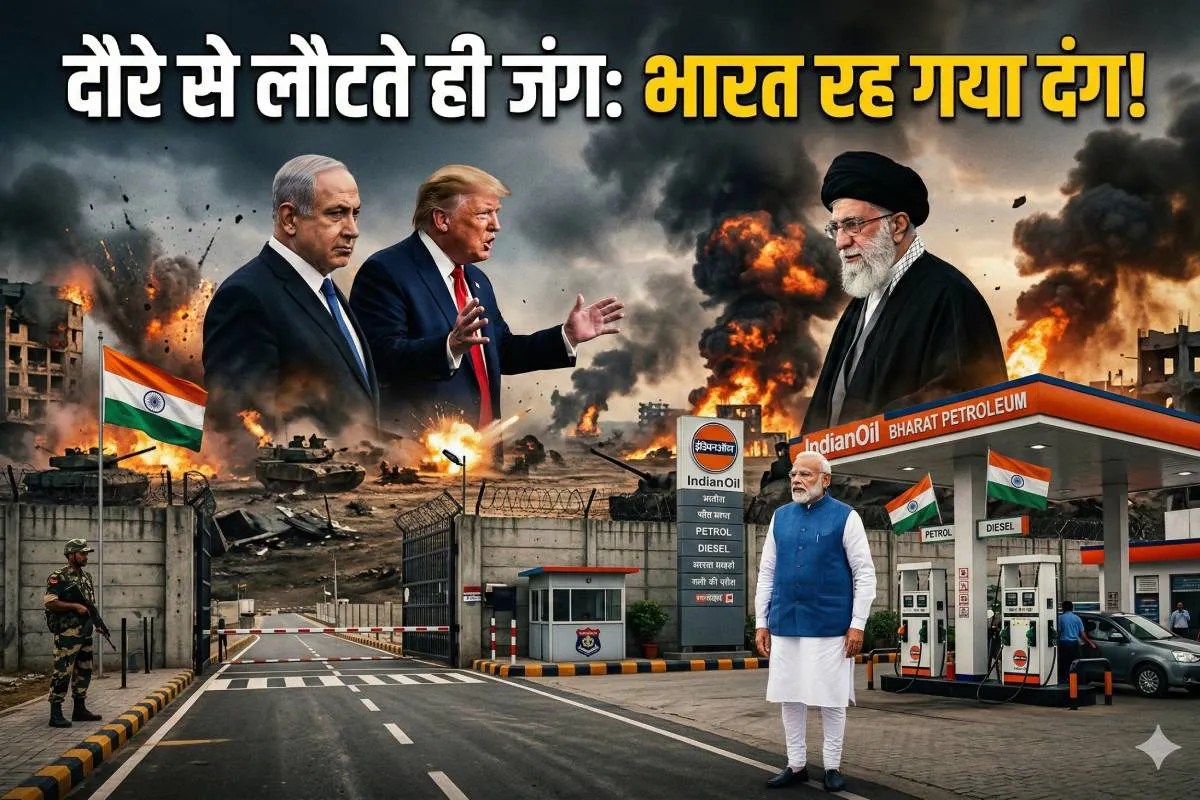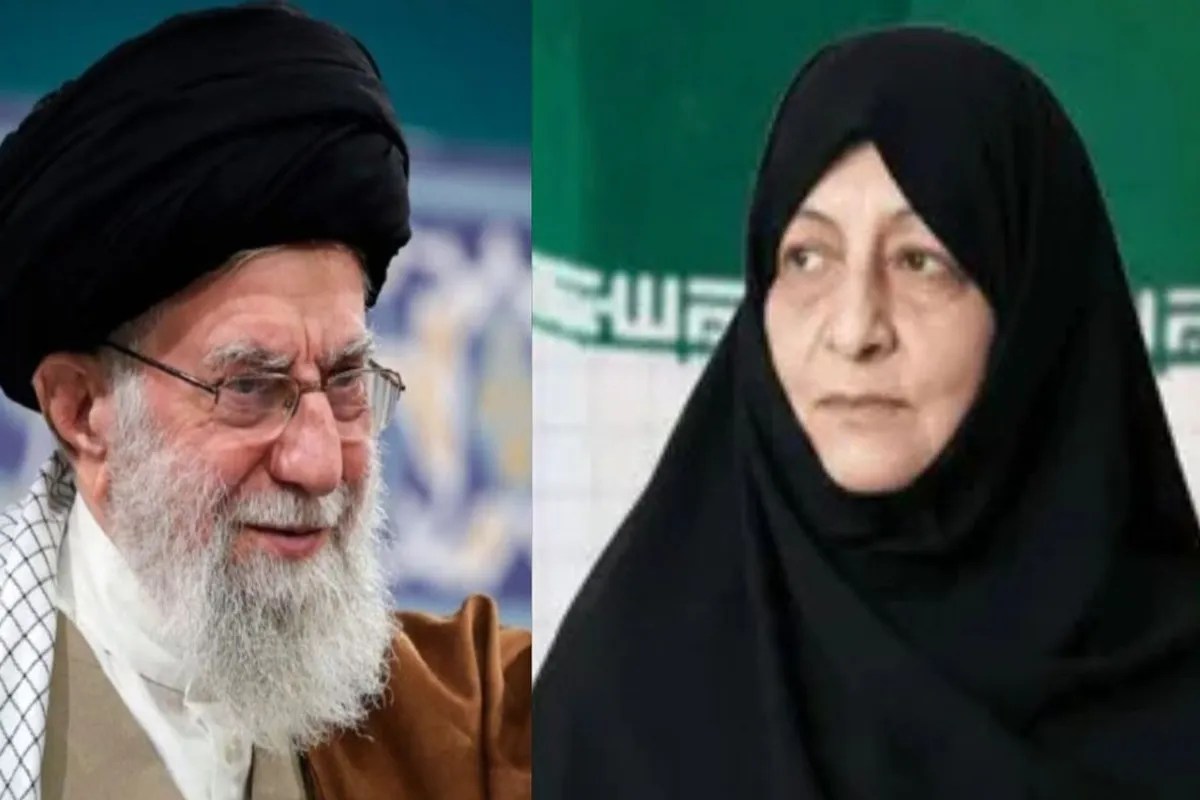
The assassination of high-ranking political figures and their immediate kinship networks represents a fundamental shift from traditional military attrition to surgical structural collapse. When a strike targets the internal sanctum of a Supreme Leader, the objective is not merely the removal of a decision-maker but the erasure of the regime's biological and ideological continuity. The reported elimination of the Khamenei family lineage in a single kinetic event functions as a stress test for the Islamic Republic’s succession protocols, exposing a critical vulnerability in theocratic governance: the reliance on nepotistic trust over institutional resilience.
The mechanics of the inner circle vulnerability
Authoritarian regimes operate through a "loyalty-capability" trade-off. To ensure survival, the Supreme Leader populates the immediate administrative and security perimeter with family members. This creates a high-density target environment.
- Intelligence saturation: Family members often lack the rigorous operational security (OPSEC) training of professional intelligence officers, creating "soft nodes" for signals intelligence (SIGINT) exploitation.
- Geographic clustering: Dynastic power relies on proximity. The physical concentration of heirs and advisors within a single fortified compound simplifies the "kill chain" for an adversary, as one successful penetration yields a total systemic failure.
- Succession vacuum: In systems where the path to power is hereditary or semi-dynastic, the sudden removal of the next generation creates an immediate crisis of legitimacy that the Assembly of Experts is ill-equipped to manage.
This specific strike profile suggests a transition in warfare where the "Center of Gravity" has moved from the military apparatus (the IRGC) to the biological lineage of the ideological head. By neutralizing the family, the aggressor forces the state into a frantic internal search for a new leader, often triggering infighting among secondary power brokers.
Intelligence acquisition and the failure of deep state security
A strike of this magnitude requires three distinct layers of intelligence success, each of which indicates a profound breach in Iranian counter-intelligence.
- Human Intelligence (HUMINT) validation: Electronic tracking is insufficient for a strike on a Supreme Leader’s family. There must be "eyes on" verification of the target’s presence. This points to high-level infiltration within the inner household staff or the security detail.
- Persistent surveillance: The ability to track the movement of the Supreme Leader’s wife and children in real-time suggests that the IRGC’s "Safe House" protocols have been compromised by persistent malware or persistent aerial monitoring that remains undetected.
- Kinetic precision: The use of munitions capable of penetrating hardened structures while minimizing collateral damage to the surrounding urban fabric indicates the use of thermobaric or deep-penetration warheads, likely guided by local beacons.
The death of Khamenei’s wife following the initial strike illustrates a "double-tap" or high-yield secondary effect strategy designed to ensure zero survival within the target zone. From a strategic perspective, this is a message to the remaining elite: no depth of bunker or thickness of security provides immunity.
The three pillars of Iranian succession crisis
The removal of the Khamenei lineage dismantles the three pillars that have stabilized the Iranian state since 1989.
The ideological anchor
The Supreme Leader is the representative of the Hidden Imam. His family carries a reflected sanctity. Their sudden, violent removal diminishes the "divine protection" narrative that the regime propagates to its base. This creates a psychological rift between the hardline supporters and the central leadership.
The economic patronage network
The Khamenei family manages vast "Bonyads" (charitable foundations) that control up to 20% of the Iranian GDP. The death of the heirs creates a legal and administrative bottleneck. Without the family to oversee these assets, the IRGC may attempt a forceful takeover of these foundations, leading to a "civil war" for resources within the security state.
The diplomatic backchannel
Family members often serve as unofficial envoys to proxy groups like Hezbollah and the Houthis. Their elimination severs the personal trust-based ties that formal diplomacy cannot replace. The "Axis of Resistance" now faces a coordination failure because the central node of the network has been cauterized.
Technical limitations of the Iranian defense umbrella
The failure to intercept the strike highlights a bottleneck in Iranian surface-to-air missile (SAM) capabilities. Despite the deployment of the Bavar-373 and the Russian S-300, the "dead zone" in Iranian radar coverage persists due to:
- Electronic Warfare (EW) saturation: The adversary likely utilized "spoofing" technology to create ghost targets on Iranian radar screens, masking the actual trajectory of the incoming projectiles.
- Low-observable flight paths: Using terrain-following munitions that fly below radar horizons renders even the most advanced SAM batteries obsolete.
- Internal sabotage: There is a non-zero probability that the air defense systems were remotely deactivated or manually bypassed by compromised personnel.
Strategic repercussions for the region
The move from "Grey Zone" warfare—which involves proxies and cyber-attacks—to direct dynastic decapitation changes the rules of engagement. We are no longer observing a conflict of attrition. This is a "Zero-Sum" endgame.
- The radicalization of the survivor: If the Supreme Leader himself survives the strike that killed his family, the probability of a non-conventional (nuclear or chemical) escalation increases as the "rational actor" constraints of family legacy are removed.
- The fragmentation of the IRGC: Without a clear heir-apparent, the IRGC generals will likely split into factions, each backing a different cleric for the role of Supreme Leader to secure their own financial future.
- The collapse of proxy confidence: Groups like Hamas and Hezbollah rely on the perception of Iranian invincibility. Seeing the "Heart of the Dragon" struck with impunity will force these groups to seek independent survival strategies, potentially leading to a series of unauthorized escalations or frantic ceasefire negotiations.
The logistical reality of the "post-family" Iranian state is one of extreme instability. The state must now choose between a military dictatorship led by the IRGC or a desperate attempt to fast-track a new, potentially weak, clerical leader. Both paths lead to a decrease in Iranian regional influence and an increase in domestic unrest.
The most effective strategic move for an adversary following such a strike is not a follow-up military operation, but a psychological warfare campaign targeting the secondary leadership. By offering an "out" to the non-family elite, the aggressor can accelerate the internal collapse of the regime. The focus should shift to the financial records of the Bonyads; revealing how the now-deceased family hidden assets were managed will alienate the starving Iranian public and provide the final friction needed to trigger a structural transition.