The armchair generals and foreign policy wonks have it backward. Again.
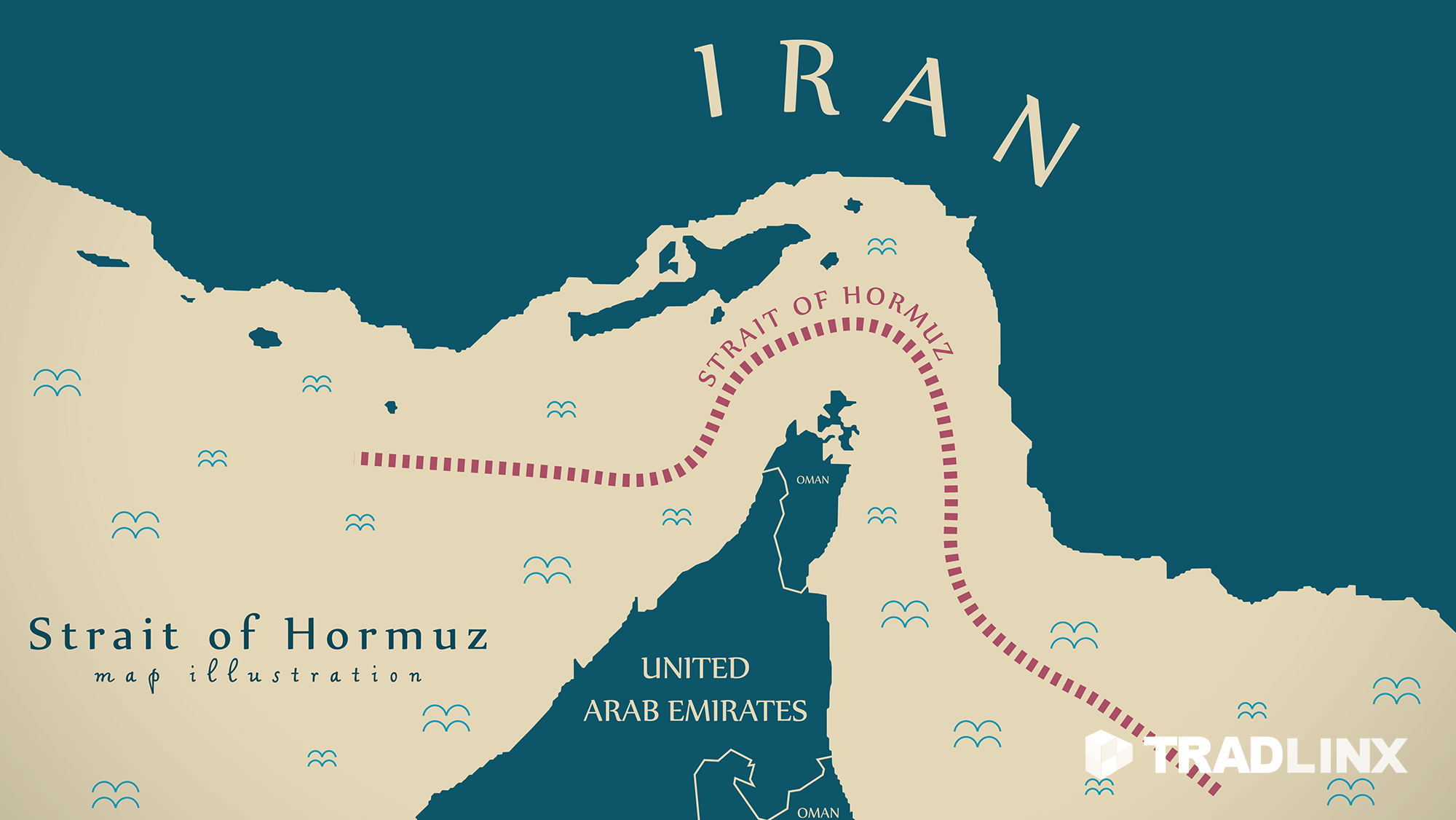
The prevailing wisdom suggests that the Strait of Hormuz is Tehran’s "doomsday button"—a 21-mile-wide kill switch that could crash the global economy and bring the West to its knees. The narrative is simple: Iran threatens the choke point, oil prices hit $200, and the regime survives by holding the world hostage.
It is a comforting bedtime story for people who prefer maps to spreadsheets.
In reality, the Strait of Hormuz is not Iran’s greatest weapon. It is a noose. Every time Tehran rattles the saber in these waters, they aren’t asserting power; they are revealing a desperate lack of it. Shutting the Strait wouldn't just be an act of war; it would be a state-sponsored suicide pact.
The Myth of the Oil Price Weapon
The central premise of the "Hormuz threat" relies on the idea that an oil shock would break the resolve of the United States and its allies. This logic is stuck in 1973.
We no longer live in an era where a Middle Eastern supply disruption guarantees a Western collapse. The shale revolution changed the math. The United States is now the world’s largest oil producer. While a price spike hurts consumers at the pump, it simultaneously fuels a massive domestic windfall for American energy companies.
Furthermore, the global economy has learned to price in "geopolitical risk" to the point of exhaustion. Markets have become desensitized to Iranian speedboats buzzing tankers. For the regime to actually move the needle, they have to commit to a total, prolonged blockade.
And that is where the math fails them.
Iran Needs the Strait More Than You Do
If you want to understand why Iran will never actually close the Strait, look at their balance sheet.
Iran is a nation under crippling sanctions, yet it still manages to export a significant volume of crude, primarily to China. Almost every drop of that oil—the regime's primary lifeblood—must pass through the very Strait they threaten to close.
Closing the Strait of Hormuz is effectively an embargo on themselves.
The "lazy consensus" argues that Iran would sacrifice its economy to win a strategic victory. This ignores the internal pressure cooking within the country. The regime survives on the thin margin of being able to pay its security forces and provide basic subsidies. Cutting off their own revenue stream while simultaneously inviting a massive kinetic response from the U.S. Fifth Fleet isn't "strategy." It's a mental breakdown.
The China Factor: The Silent Veto
Most analysts ignore the most important player in the room: Beijing.
China is the largest importer of Persian Gulf oil. They aren't just buying from Iran; they are buying from Saudi Arabia, Kuwait, and Iraq. If Iran shuts the Strait, they aren't just "sticking it to the Great Satan." They are plunging the Chinese manufacturing sector into a dark age.
Does anyone seriously believe that Xi Jinping would sit idly by while Tehran destroys the Chinese economy?
Iran’s survival depends on Chinese diplomatic cover and economic patronage. The moment Iran moves from "rhetorical threats" to "operational blockade," they lose their only powerful friend. Beijing doesn't do "chaos." They do commerce. By closing the Strait, Iran would trade its last lifeline for a brief moment of cinematic destruction.
The Technological Obsolescence of a Blockade
There is a persistent fantasy that Iran can "mine the Strait" and stop all traffic indefinitely.
I have spent years looking at maritime security and the reality of modern naval warfare. Mining a waterway is easy. Keeping it mined is impossible when you don't control the air.
The U.S. and its partners have spent decades refining mine countermeasures (MCM). From autonomous underwater vehicles (AUVs) to specialized helicopters, the ability to clear a path is vastly superior to the ability to clog it. To maintain a blockade, Iran would need to engage in a sustained surface and air battle against a coalition with overwhelming technological superiority.
Imagine a scenario where the IRGC attempts to deploy bottom-dwelling mines. Within hours, the theater is saturated with sensors. The moment an Iranian vessel attempts to "re-seed" a cleared channel, it becomes a target.
Iran knows this. Their "swarming" tactics and missile batteries are designed for a "hit and run" nuisance, not a "hold and control" occupation of the waterway. You cannot change a regime with a nuisance.
The UAE and Saudi Arabia are Already Moving On
The "Hormuz is essential" crowd also ignores the massive infrastructure projects designed to bypass the Strait.
The Habshan-Fujairah pipeline in the UAE and Saudi Arabia’s East-West Pipeline are not just engineering projects; they are geopolitical insurance policies. While they don't yet have the capacity to move all the Gulf's oil, they provide enough of a release valve to ensure that a blockade doesn't equal a total global blackout.
As these pipelines expand and the region moves toward the "Green Corridor" initiatives, the strategic value of the Strait of Hormuz is in secular decline. Iran is holding onto a 20th-century leverage point in a 21st-century energy market.
The Regime Change Paradox
The original article argues that the Strait will "change" the regime. The implication is that the leverage provided by the waterway gives the IRGC the upper hand in negotiations or allows them to pivot the country's future.
This is the most dangerous misconception of all.
Dependence on the Strait as a threat actually prevents the regime from evolving. It traps them in a cycle of escalation and retreat. Every time they use the "Hormuz card," they drive further investment into bypass pipelines and alternative energy. They are effectively incentivizing the world to make them irrelevant.
If the regime wants to survive, they need integrated markets, not isolated choke points. By weaponizing the Strait, they guarantee their own obsolescence.
The Brutal Truth
The Strait of Hormuz is not a "game-changer." It is a relic of 1970s power dynamics that serves as a psychological security blanket for a regime that has run out of ideas.
If Iran ever actually closes the Strait, it won't be because they are strong. It will be because they have already lost everything else and have decided to burn the house down with themselves inside.
Stop asking how the Strait will change the regime. Start asking how the regime's obsession with the Strait has blinded them to the fact that the world has already found the exit.
The navy that "controls" the Strait doesn't win the war. They just get the best view of their own isolation.
Do not wait for the blockade. It is already happening in reverse. The world is blocking Iran out of the future, and no amount of sea mines can stop that tide.