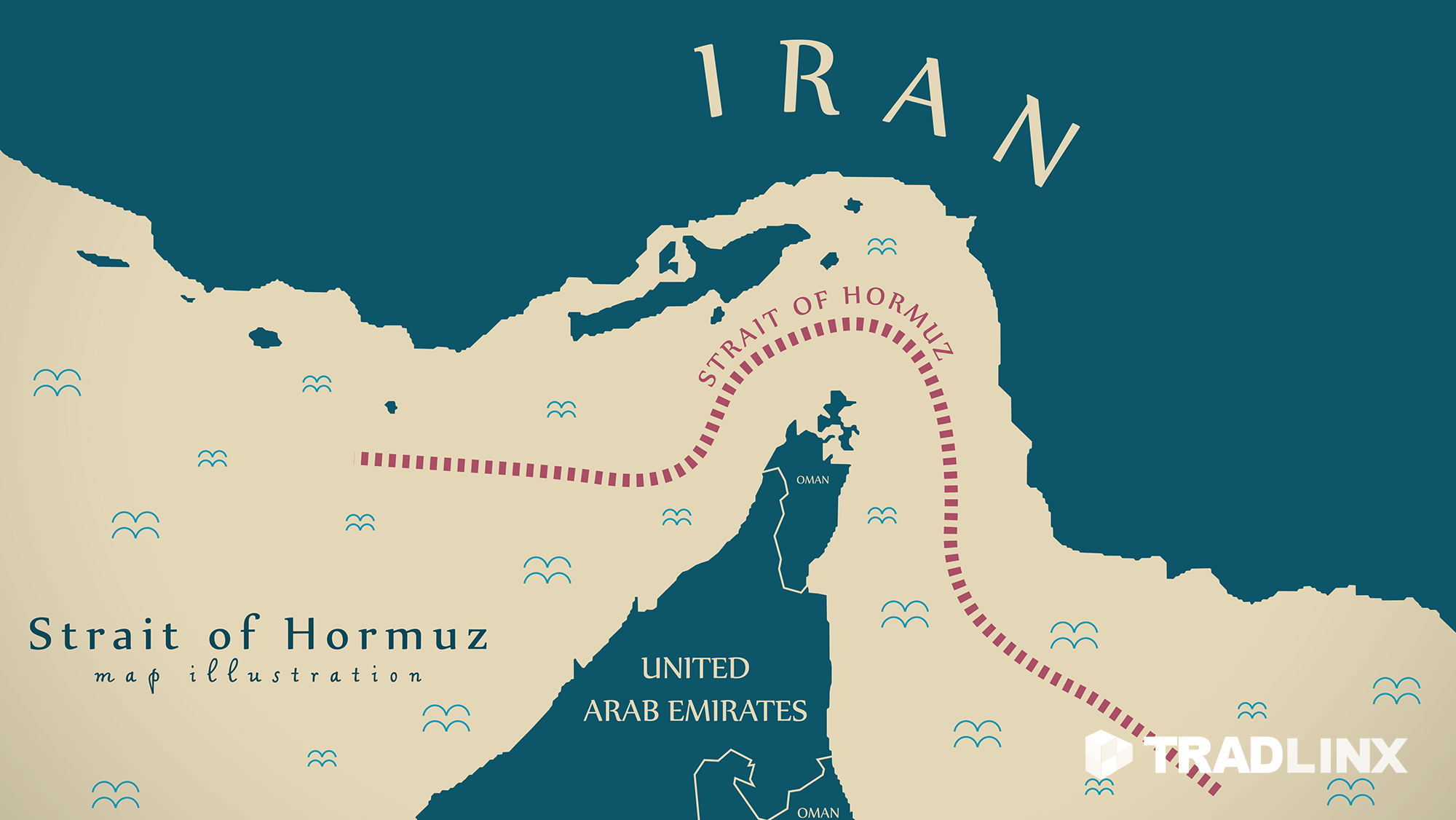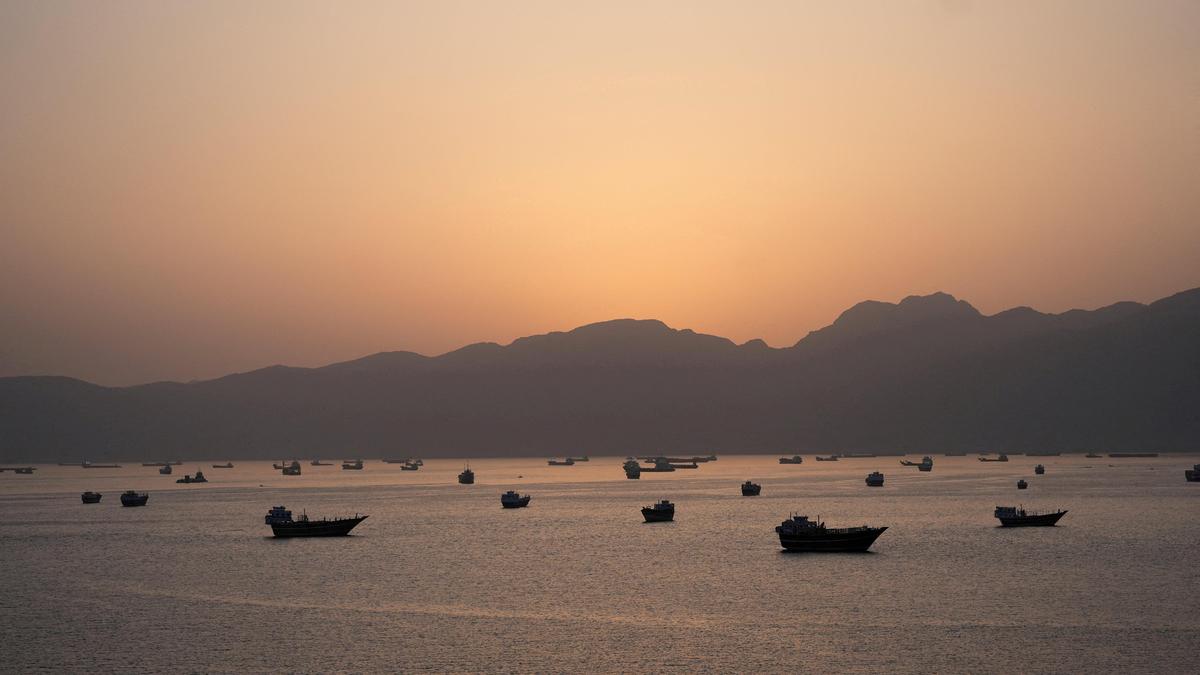
The headlines are screaming about a "powder keg" in the Persian Gulf. Iran is rattling the saber over U.S. plans to escort commercial tankers through the Strait of Hormuz, and the foreign policy establishment is busy clutching its collective pearls. They want you to believe we are on the precipice of a global energy apocalypse. They are wrong.
This isn’t a security crisis. It’s a theater production where every actor—Washington, Tehran, and the oil majors—is playing a role to maintain a status quo that should have died decades ago. The "threat" to global shipping is the most overstated ghost in modern geopolitics.
The Myth of the Chokepoint Collapse
The standard narrative suggests that if Iran closes the Strait, the global economy hits a brick wall. This assumes the world is a static map from 1974. It ignores the reality of modern energy logistics and the brutal math of Iranian self-interest.
Iran’s economy is a hollowed-out shell held together by illicit oil sales. You do not weld shut the only door to your own shop. Every time Tehran threatens a blockade, they are engaging in a high-stakes marketing campaign to remind the world they exist. They know that a genuine, sustained closure of the Strait would be an act of national suicide, inviting a kinetic response that would erase their navy in an afternoon.
The U.S. "escort" plan isn't about protecting trade; it’s a massive corporate subsidy. When the U.S. Navy flattens the insurance premiums for private shipping companies by providing free security, it distorts the market. We are spending billions in taxpayer capital to ensure that private oil entities don't have to internalize the cost of doing business in a volatile region.
Escorts are a Tactical Anachronism
Sending a billion-dollar destroyer to babysit a slow-moving tanker is like using a scalpel to stop a swarm of bees. Iran doesn't use a conventional navy; they use fast-attack craft and asymmetric swarming.
I have watched defense contractors pitch "solutions" for this for years. They always involve more hardware, more sensors, and more spending. But history shows that presence doesn't equal deterrence in the Strait. It equals a target-rich environment.
By increasing the naval footprint, the U.S. actually provides Iran with more opportunities for "accidental" friction—the kind of low-level kinetic events that Iran uses to extract diplomatic concessions. We aren't cooling the water; we are adding more logs to the fire.
The Crude Reality of Energy Independence
The most exhausting part of the "Hormuz Crisis" is the claim that U.S. energy security depends on this 21-mile-wide strip of water.
Look at the data. The U.S. is a net exporter of crude. The oil flowing through Hormuz isn't headed for the Jersey Turnpike; it’s headed for China, India, and Japan. We are essentially functioning as a free security guard for our primary economic rivals.
If the Strait were to see a temporary disruption, the "shale gale" in the Permian Basin and the massive strategic reserves held by OECD nations provide a buffer that didn't exist during the Tanker War of the 1980s. The panic is a relic. It’s muscle memory from a generation of analysts who haven't updated their spreadsheets since the Reagan administration.
Iran’s Ceasefire Violation Logic
Iran’s claim that U.S. escorts "violate" regional stability is a masterpiece of gaslighting. They argue that regional security should be handled by regional players. On paper, they are right. In practice, "regional security" in their vocabulary means "uncontested Iranian hegemony."
But here is the nuance the mainstream media misses: Iran needs the U.S. to be the villain. If the U.S. actually pulled back and told the world to handle its own shipping insurance, Iran would lose its primary lever of relevance. They want the friction. They want the "violation" narrative because it keeps the hardliners in power and justifies their defense budget.
Stop Subsidizing the Risk
If we want to actually solve the Hormuz problem, the solution isn't more Aegis combat systems. It’s a cold-blooded market correction.
- End the Free Ride: Shipping companies operating in high-risk zones should pay for their own private security or bear the cost of skyrocketing insurance. When the cost of doing business in the Gulf becomes prohibitive, the market will naturally shift toward pipelines and alternative routes that bypass the Strait entirely.
- Call the Bluff: Acknowledge that a total blockade is impossible for Iran to maintain. Stop reacting to every speedboat maneuver as if it’s the start of World War III.
- Regional Accountability: If China and India want their oil, they can send their own navies to escort it. The U.S. should not be the world's unpaid bouncer.
The Real Danger is Stagnation
The danger isn't a missile hitting a tanker. The danger is the continued obsession with a geographic chokepoint that matters less every year. By focusing on Hormuz, we ignore the real shifts in energy—decentralization, modular nuclear power, and the hardening of domestic grids.
We are playing a game of 20th-century Battleship while the world has moved on to 21st-century cyber-warfare and economic decoupling. The U.S. navy in the Persian Gulf is a monument to the past, not a safeguard for the future.
Every dollar spent on a Hormuz escort is a dollar not spent on making the Strait irrelevant. We are literally paying to keep ourselves tethered to a region that offers us nothing but headaches and debt.
Stop watching the horizon for Iranian speedboats. Start watching the balance sheets. The only way to win the game in the Strait of Hormuz is to stop playing it. Any other "strategy" is just expensive theater designed to keep the defense industry fat and the headlines terrifying.
Walk away. Let the market decide what a barrel of oil is worth when the taxpayer isn't paying for the convoy. That is the only move that actually disrupts the cycle. Everything else is just noise.