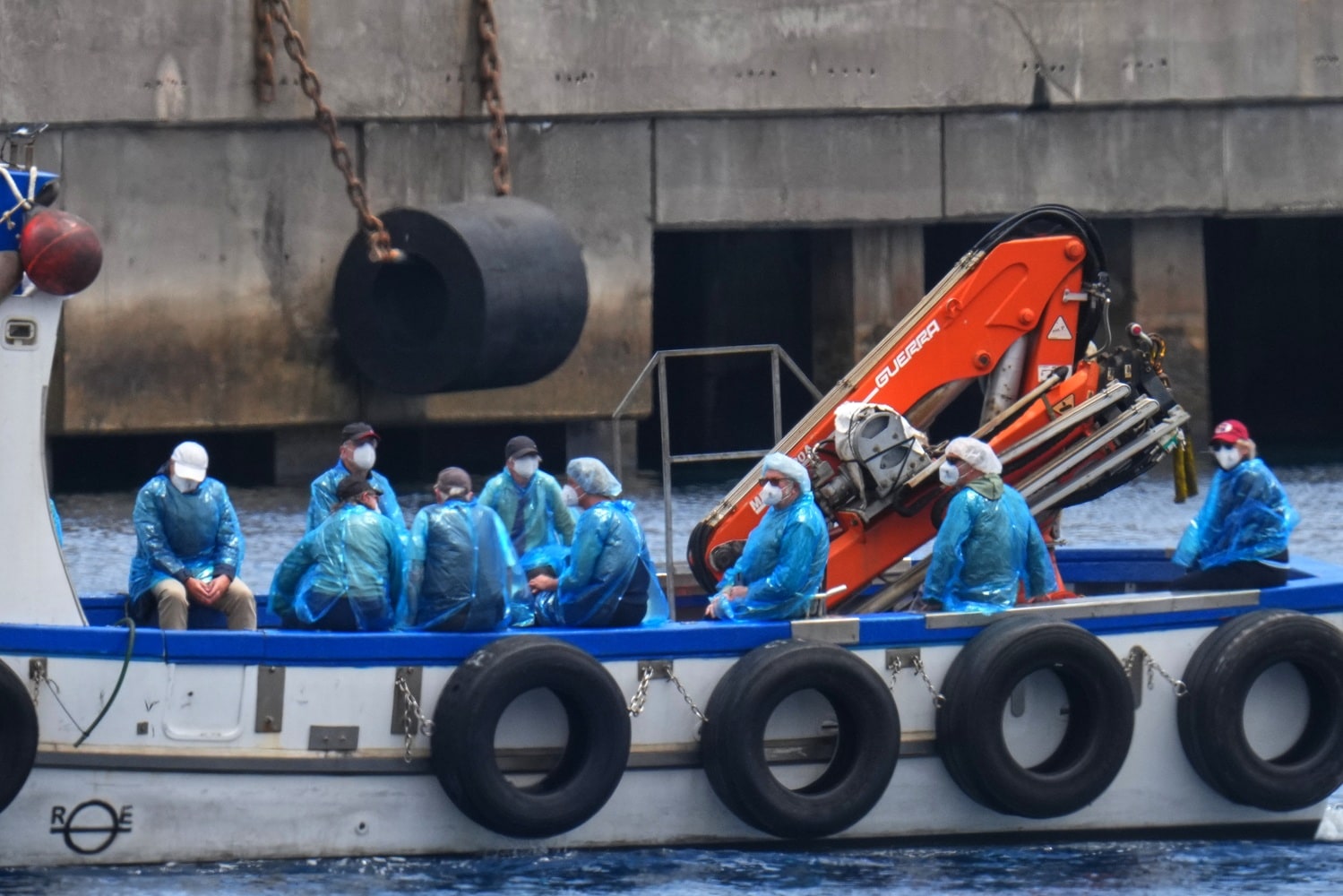
The headlines are screaming about a Hantavirus scare on a cruise evacuation flight. People are cancelling tickets. Families are clutching their hand sanitizer. The media is doing what it does best: taking a niche biological event and inflating it into a cinematic contagion narrative.
Let’s be blunt. If you are worried about catching Hantavirus on a cruise ship or a pressurized cabin, you don't understand how viruses work. You’ve been fed a diet of "lazy consensus" reporting that conflates "rare" with "imminent threat." It’s time to stop looking at the symptoms and start looking at the science.
The Rodent Reality Check
Hantavirus isn't a "travel bug." It isn't something you pick up from a buffet line or a poorly cleaned stateroom. In the Americas, we deal with New World hantaviruses, most notably the Sin Nombre virus.
Here is the physics of the infection: You need to inhale aerosolized droppings, urine, or saliva from very specific rodents—mainly deer mice (Peromyscus maniculatus).
Do you know where deer mice don't live? In the steel hull of a massive cruise ship 40 miles offshore. They live in rural brush, dusty barns, and neglected cabins in the woods. To suggest a "cruise ship outbreak" of Hantavirus is like suggesting a shark attack in a penthouse swimming pool. It’s technically possible if someone physically carries the predator there, but the habitat is fundamentally hostile to the source.
The passenger on that evacuation flight didn't "catch" Hantavirus from a fellow traveler. This isn't COVID-19. It isn't the flu. With the exception of the Andes virus in South America, human-to-human transmission of Hantavirus is virtually non-existent.
The False Equivalence of Symptoms
The news loves to list symptoms because they are terrifyingly vague:
- Fever
- Muscle aches
- Fatigue
- Shortness of breath
Guess what else shares those symptoms? Every single respiratory infection known to man. By focusing on these, the media creates a "diagnostic vacuum" where every person with a cough on a plane thinks they are the next Patient Zero.
In reality, the Hantavirus Pulmonary Syndrome (HPS) has a mortality rate of roughly 38%. That is a staggering number. But it is precisely because it is so lethal and so specific in its transmission that it makes for a terrible traveler-to-traveler pathogen. If you are sick enough to have HPS, you aren't walking through a duty-free shop; you are in respiratory failure.
Why the Evacuation Flight Story is a Distraction
When a passenger is evacuated from a ship for a "suspected" viral infection, the cruise line isn't protecting you from a plague. They are protecting their balance sheet.
I’ve seen how these protocols operate. The moment a blood panel shows any sign of atypical pneumonia or a high white cell count that doesn't fit the "Norovirus" box, the liability alarm goes off. They want that person off the vessel and into a land-based ICU as fast as possible to avoid the PR nightmare of a death at sea.
The evacuation flight isn't evidence of a spreading threat; it’s evidence of a high-functioning legal department.
The Real Threat You’re Ignoring While Chasing Rodent Shadows
If you want to be scared of something on a ship, look at the Norovirus. It is the true king of cruise ship pathogens. Unlike Hantavirus, Norovirus:
- Is incredibly stable on surfaces (fomites).
- Requires a microscopic viral load to infect.
- Spreads through human-to-human contact at lightning speed.
But Norovirus isn't "sexy" news. It’s just vomiting and diarrhea. It doesn't have the "deadly mystery" allure of a virus associated with rural rodents and 38% death rates. So, the public ignores the actual risk (poor hand hygiene and shared serving spoons) to fret over a virus they have a statistically zero chance of encountering at sea.
The Math of Fear
Let's look at the numbers. The CDC reports about 20-40 cases of Hantavirus in the U.S. per year. Almost all of them are linked to cleaning out sheds or disturbing nests in rural areas.
Now, compare that to the roughly 30 million people who take a cruise annually. You are more likely to be struck by lightning while winning the Powerball than you are to contract Hantavirus on a Mediterranean or Caribbean cruise.
How to Actually Protect Yourself (The Unconventional Truth)
If you are a traveler and you want to be smart, stop buying N95 masks for "hantavirus protection" on planes. It’s theatre.
Instead, focus on the biological reality of your environment:
- Acknowledge the incubation period: Hantavirus takes 1 to 8 weeks to show symptoms. If someone gets sick on day three of a cruise, they brought that gift from home. They didn't "get it" from the ship.
- Demand transparency on Norovirus protocols: Forget the "Hantavirus" buzzword. Ask about the ship’s Vessel Sanitation Program (VSP) scores. That is the only data point that actually correlates to your health.
- Stop the "Cabin Fever" hysteria: Pressurized airplane air is some of the most filtered air on the planet, cycling through HEPA filters every few minutes. The risk of breathing in a "cloud" of Hantavirus on a flight—which would require someone to have brought in a bag of dusty mouse droppings and shaken them into the vents—is zero.
The Industry’s Dirty Secret
The reason health officials and cruise lines don't loudly debunk these "scares" is that fear is a great motivator for compliance. If you think there’s a deadly "mystery virus" on board, you’re more likely to use the hand sanitizer stations.
They are leveraging your scientific illiteracy to solve a different problem. They’re using the "Hantavirus" bogeyman to keep you from spreading the common cold. It’s a cynical, effective, and fundamentally dishonest way to manage public health.
The passenger on that flight was likely a tragic outlier—someone who spent their pre-vacation time cleaning out a summer cottage or a garage, inhaled the wrong dust, and then boarded a ship as the virus began its slow-burn incubation.
They are a victim of bad timing, not a harbinger of a maritime epidemic.
Stop looking for mice in the engine room. Wash your hands because of the guy who didn't wash his after the buffet. That’s the only "insider" tip you actually need.
Get back on the boat and stop reading the panic porn.