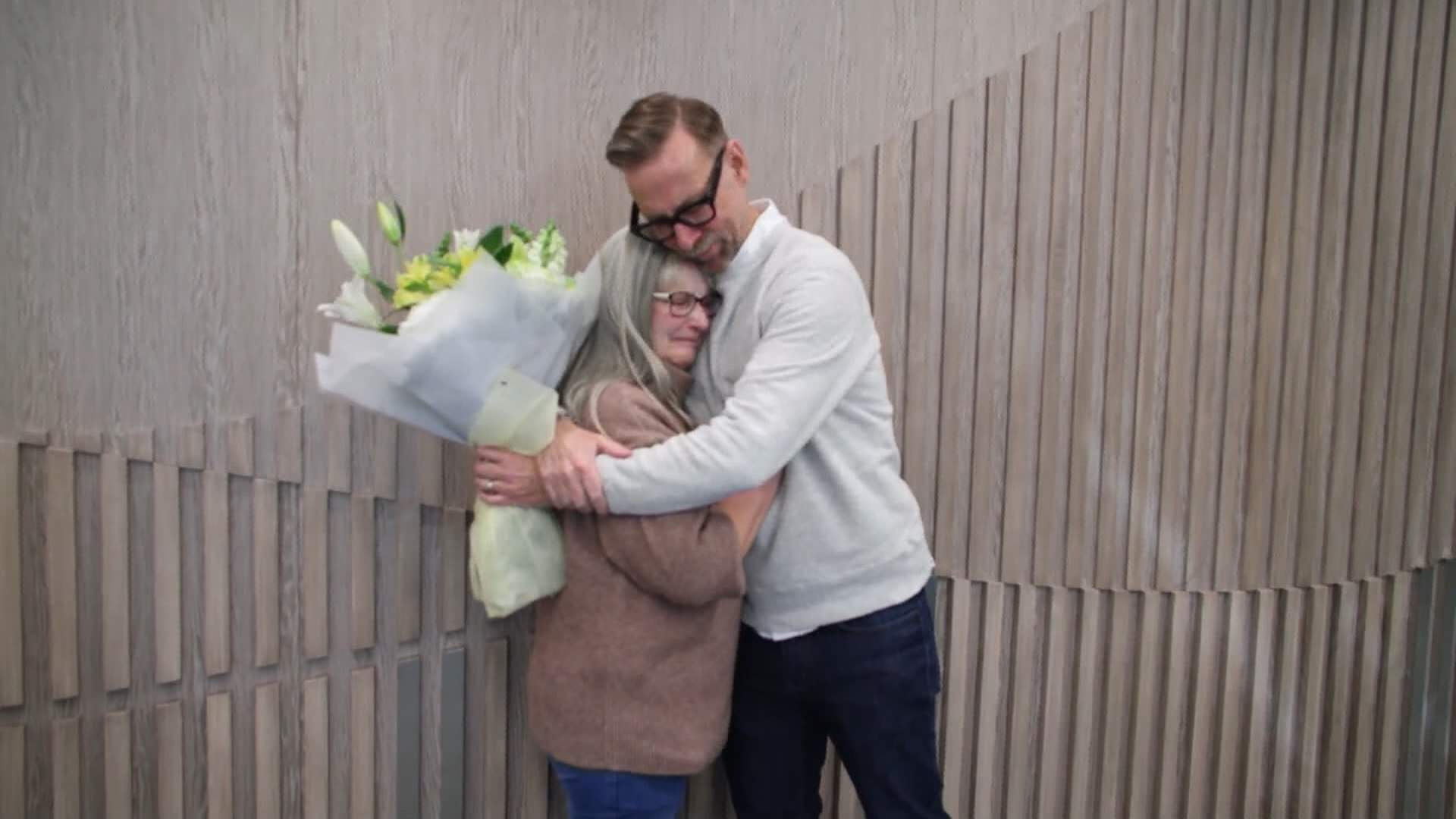
We love a good tear-jerker. The headlines write themselves: a grieving mother meets the person carrying her late son’s liver, they hug, the cameras flash, and everyone goes home feeling a little warmer inside. It is the gold standard of medical human-interest stories. It is also a massive distraction from the systemic failures of our current transplant infrastructure.
When we focus on the "miracle" of the individual connection, we stop asking why the system relies on miracles in the first place. This obsession with the "gift of life" narrative—while emotionally resonant—actually hinders the radical policy shifts required to end the organ shortage once and for all. In other developments, we also covered: Why Celebrity Advocacy is Poisoning the Maternity Care Crisis.
The Myth of the Gift
Let’s be blunt: calling an organ a "gift" is a linguistic sleight of hand that protects the status quo. In British Columbia and across North America, we treat organ donation as a high-stakes bake sale. We rely on the altruism of strangers during their darkest moments of grief. We frame it as a noble choice, which by definition means it is also a choice to say no.
This voluntary, altruistic model is failing. Hard. WebMD has also covered this important subject in great detail.
In the time it took for that one liver recipient to meet their donor's family, dozens of other patients on the waitlist died. They didn’t die because of a lack of medical technology. They died because of a lack of inventory. If we treated any other life-saving resource—like blood or emergency services—with this level of casual, "opt-in" sentimentality, the public would be rioting.
The Problem With Opt-In Culture
The "lazy consensus" in health media is that we just need more awareness campaigns. More heart-wrenching stories. More "Hero" posters in the DMV.
It is a lie. Awareness is at an all-time high; the bottleneck is the friction of the process.
Imagine a scenario where your bank account required you to sign a physical witness-verified document every time you wanted to receive a deposit, but allowed anyone to take money out by default. You would go broke. That is our transplant system.
We need to move toward Presumed Consent (often called "opt-out"). Countries like Spain have done this for decades, and their donation rates dwarf ours. In an opt-out system, everyone is a donor unless they explicitly state otherwise. It shifts the burden from the grieving family to the individual’s prior inaction. It removes the "gift" narrative and replaces it with a "social contract" reality.
The Ethics of the Hug
There is a darker side to these publicized meetings between donors and recipients that the feel-good articles never touch. They create a psychological hierarchy of "worthiness."
When the media elevates a specific story, it implicitly suggests that the transplant was successful because of the unique bond or the "vibrant spirit" of the donor. This is dangerous territory. It suggests that some organs are more meaningful than others because of the story attached to them.
In reality, a liver is a biological filter. It is a piece of plumbing.
By romanticizing the donor-recipient connection, we place an immense, often invisible burden on the recipient. They are no longer just a patient recovering from a massive surgery; they are now the living monument to someone else’s tragedy. I have talked to recipients who feel they can’t live a "normal," messy, flawed human life because they owe it to the donor to be perfect.
That isn't medicine. That's a burden.
The Professional Coldness We Actually Need
The best thing we can do for transplant medicine is to make it boring.
We need to strip away the "part of my very being" rhetoric and replace it with logistics. We need to talk about:
- Perfusion Technology: Why are we still transporting organs in glorified picnic coolers? We should be investing in "warm" perfusion machines that keep organs functioning outside the body for longer, turning what is currently a frantic sprint into an organized procedure.
- Xenotransplantation: We should be pouring billions into gene-edited porcine organs so we can stop waiting for teenagers to crash their motorcycles.
- Bio-printing: The goal shouldn't be a better donor registry; it should be the total obsolescence of human-to-human donation.
Stop Asking the Wrong Question
People always ask, "How can we encourage more people to sign their cards?"
That is the wrong question. It assumes the current system is the only moral way to operate. The right question is: "Why are we allowing 20 people a day to die for the sake of protecting the 'sanctity' of a corpse's autonomy?"
We are so afraid of appearing "cold" or "utilitarian" that we choose the comfort of a sad story over the efficiency of a solved problem. We prioritize the "right" of a family to say no over the right of a patient to live.
If you want to honor a donor, don't just write a thank-you note. Demand a system where their "gift" wasn't a one-in-a-million stroke of luck, but a standard, expected part of a functional society.
The Downside of Efficiency
The contrarian view isn't without its risks. If we move to a purely utilitarian, opt-out, highly mechanized system, we do lose that communal "moment." We lose the narrative of sacrifice. Some argue that this might lead to a "devaluation of life."
I disagree. I think dying on a waitlist while a viable organ is buried in the ground is the ultimate devaluation of life.
The Verdict on Sentiment
The next time you see a headline about a recipient meeting a donor’s mother, recognize it for what it is: a coping mechanism for a broken infrastructure. It is a beautiful patch on a sinking ship.
We don't need more hugs. We need more livers.
We need to stop treating organ donation as a hobby for the virtuous and start treating it as a mandatory requirement of the social fabric. If you aren't willing to give when you're gone, why should you be eligible to receive while you're here?
That is the conversation we are too "polite" to have. And that politeness is killing people.
The "miracle" isn't that they met. The tragedy is that we still live in a world where that meeting is a headline-worthy rarity rather than a historical footnote in the era before we mastered synthetic biology.
Stop crying at the articles. Start demanding a system that doesn't need them.