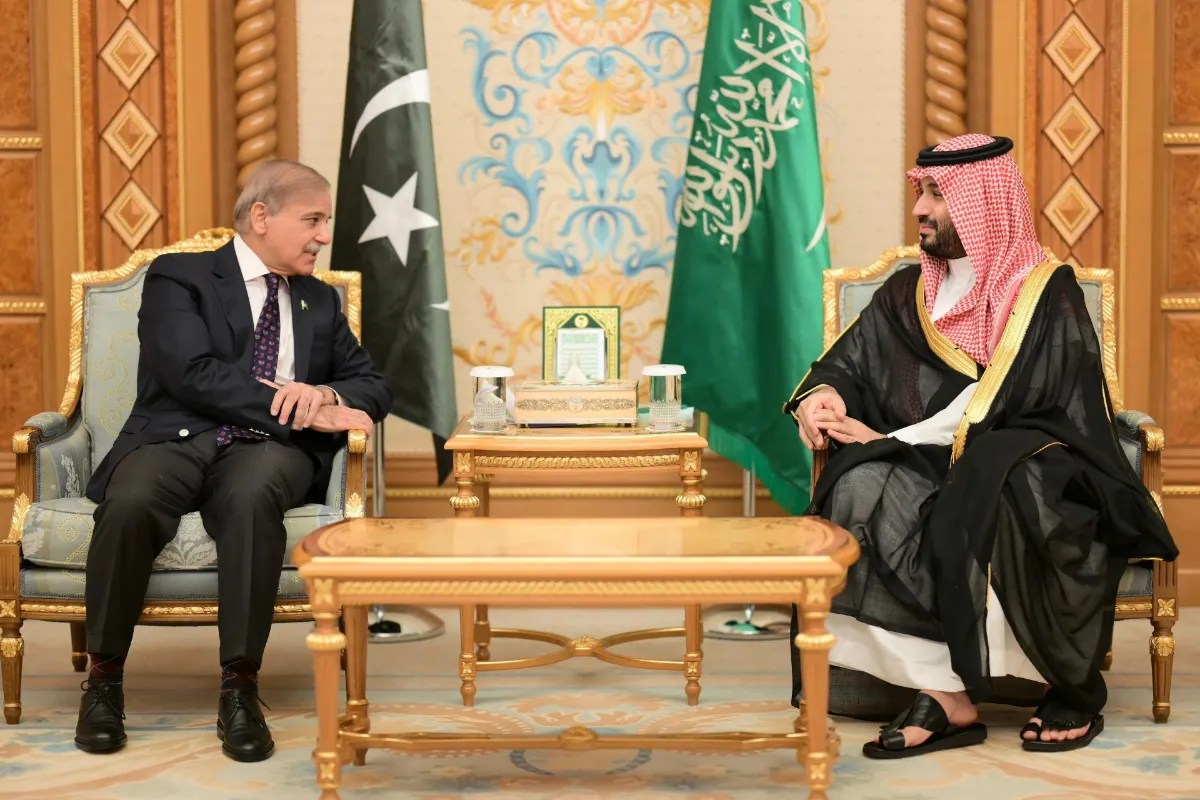
The headlines are predictable. They scream about "brotherly nations" and "timely rescues." When Saudi Arabia dangles an $8 billion or $10 billion carrot in front of Islamabad, the media treats it like a lottery win. It is not a win. It is a high-interest payday loan disguised as diplomacy.
If you think this massive cash injection—roughly 83,700 crore in local valuation—is meant to fix the Pakistani economy, you have been reading the wrong reports. This is not "help." This is a strategic lease on a nation's sovereignty. To understand why, you have to look past the surface-level relief and into the mechanics of how this debt actually functions.
The Myth of the Saudi Rescue
Mainstream financial reporting loves the narrative of the Saudi savior. They look at the gross figures and assume the problem is solved. It is a shallow analysis. In reality, these funds are rarely "grants." They are deposits.
When Riyadh parks billions in the State Bank of Pakistan, that money is not for spending. It is there to inflate foreign exchange reserves artificially. It is a cosmetic surgery for a balance sheet that is bleeding out. The moment that money arrives, it creates a false sense of stability that allows the ruling elite to delay the structural reforms the IMF actually demands.
I have seen this cycle play out in emerging markets for decades. A country faces a liquidity crisis. A "friendly" neighbor drops a massive deposit. The local currency gets a temporary bump. The government stops sweating. Six months later, the structural deficit is still there, but now there is an additional layer of geopolitical debt to service.
Why Liquidity is Not Solvency
People often confuse these two terms, and it is a fatal mistake in economic analysis.
- Liquidity is having enough cash to pay your bills today.
- Solvency is having the ability to generate enough value to pay your bills forever.
Saudi Arabia is providing liquidity. They are not providing solvency. By handing over billions without requiring a total overhaul of the tax-to-GDP ratio or the energy sector, they are effectively handing a bottle of whiskey to an alcoholic to stop the tremors. It feels better for an hour, but the liver is still failing.
The "lazy consensus" says Pakistan needs more dollars. The truth? Pakistan has a dollar-burning engine. You can pour as many billions into the top as you want, but if the engine is designed to waste 30% of its energy on inefficient state-owned enterprises and a bloated bureaucracy, you are just funding the fire.
The Geopolitical Interest Rate
If you think the interest on these billions is just a percentage point, you are naive. The real interest is paid in policy.
When Saudi Arabia moves $10 billion, they aren't looking for a 5% return on capital. They are buying a vote in the OIC. They are buying military cooperation. They are buying a buffer against regional rivals. For Pakistan, this creates a "Dutch Disease" of the soul. Why build a competitive export industry or a tech hub when you can just pivot your foreign policy to trigger another deposit from the Gulf?
This reliance has neutered Pakistani innovation. When survival is guaranteed by a royal decree from a foreign capital, the incentive to compete on the global stage vanishes.
The Refined Petroleum Ruse
Part of these "rescue packages" often involves oil on deferred payments. On paper, it looks like a break for the consumer. In practice, it is a massive subsidy for inefficiency.
Imagine a scenario where a business is failing because its delivery trucks are falling apart and the drivers are stealing gas. Instead of fixing the trucks, a benefactor gives them free gas for a year. The business "survives," but the underlying rot remains. By the time the deferred payment comes due, the debt is larger, the trucks are older, and the drivers are still stealing.
That is the Pakistani energy sector. Circular debt is the ghost in the machine. Throwing Saudi oil at it doesn't fix the leak; it just makes the puddle bigger.
The IMF vs. The Kingdom: A Dangerous Game
The most dangerous part of this "help" is how it interacts with the International Monetary Fund. The IMF wants blood. They want painful taxes, the end of subsidies, and a transparent economy. The Saudi money acts as a "get out of jail semi-free" card.
Every time Riyadh steps in, the Pakistani negotiators feel they have more leverage against the IMF. They try to soften the conditions. They delay the inevitable. This creates a "zombie economy"—a state that is neither dead nor alive, shuffling from one bailout to the next while the rest of the world’s emerging markets, from Vietnam to India, are actually building something.
The 83,700 Crore Reality Check
Let’s talk about the sheer scale. 83,700 crore sounds like an infinite pool of money. But in the context of a nation of 240 million people with a massive import bill and crushing external debt servicing, it is a drop in the ocean.
- Debt Servicing: A huge chunk of this money goes right back out the door to pay interest on previous loans.
- Import Cover: It barely provides a few months of breathing room for essential imports like food and medicine.
- No Infrastructure: Notice how none of this money is earmarked for building high-tech manufacturing or education? It is consumed by the present, never invested in the future.
If this were a private equity deal, no sane investor would touch it. The "return" is negative. The "growth" is non-existent. The only reason it happens is that Pakistan is "too big to fail" and too nuclear-armed to ignore.
The Brutal Truth About "Brotherhood"
In international relations, "brotherhood" is a marketing term. Saudi Arabia’s Vision 2030 is about diversifying their economy. They are moving toward tech, tourism, and global investment. They are not interested in carrying a stagnant neighbor forever.
The day is coming when the Saudi checkbook closes. Riyadh is becoming a more disciplined investor. They are starting to demand that their deposits be backed by actual assets—ports, mines, or state companies. This isn't a gift anymore; it's a fire sale. Pakistan is selling the family silver to pay for the monthly groceries.
The Only Real Way Out
The conventional wisdom says "get more aid." I say, stop the aid.
The only thing that will save the economy is the terror of having no safety net. As long as there is a Saudi or Chinese cushion, the hard decisions will never be made.
- Abolish the Subsidies: Stop pretending the government can afford to pay for everyone’s electricity.
- Tax the Untouchables: The retail and real estate sectors in Pakistan are massive black holes for tax revenue.
- Default if Necessary: Better to restructure now and take the hit than to live as a permanent debtor state.
Saudi Arabia isn't helping Pakistan. They are keeping it in a state of perpetual, manageable crisis. It serves the interests of Riyadh and the elite in Islamabad, but it is a slow-motion disaster for the 240 million people waiting for a "rescue" that only ever arrives at the central bank and never at their doorsteps.
Stop celebrating the deposit. Start mourning the lost opportunity to finally stand on your own feet.
The check has cleared. The chains are tighter.