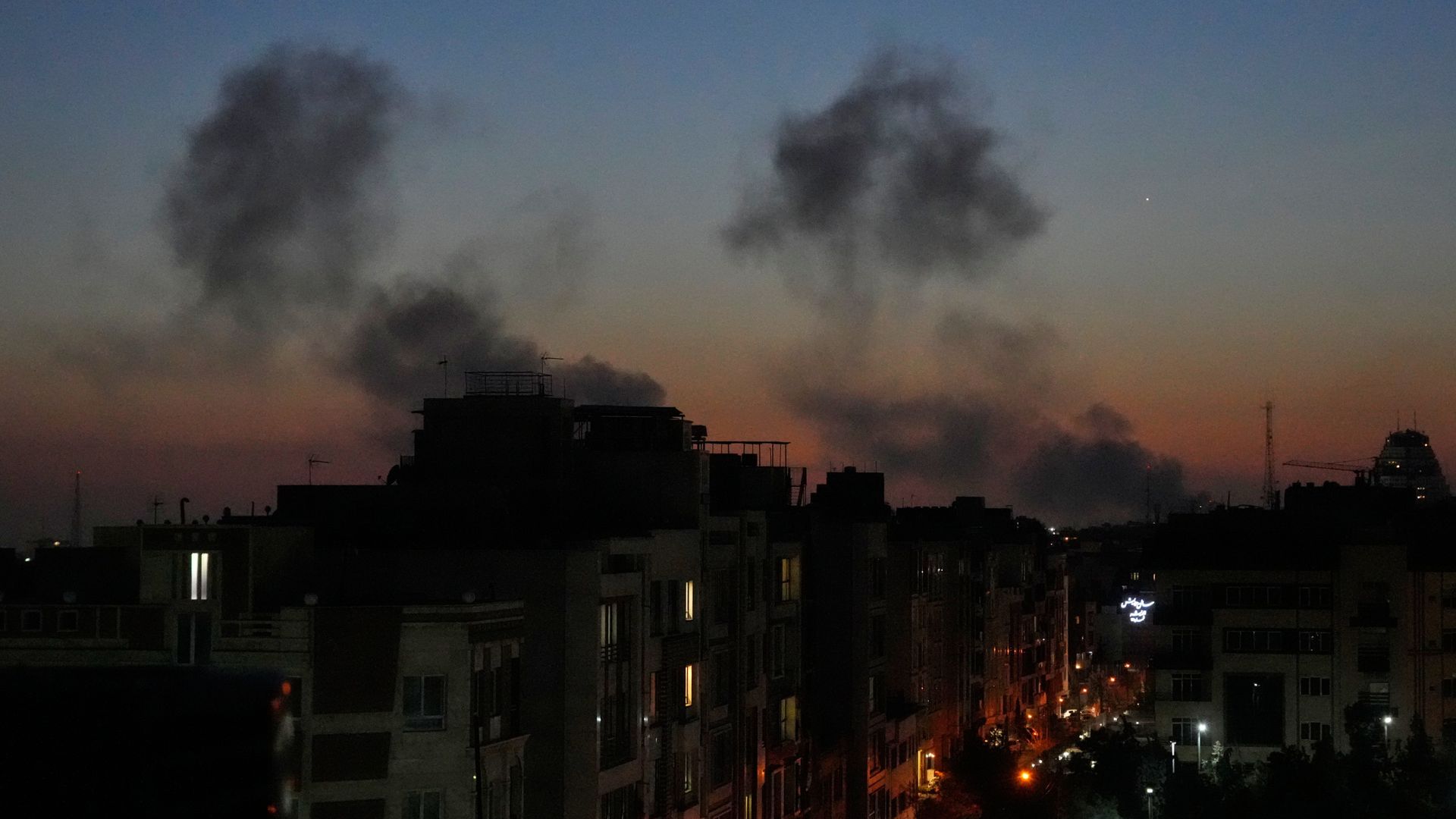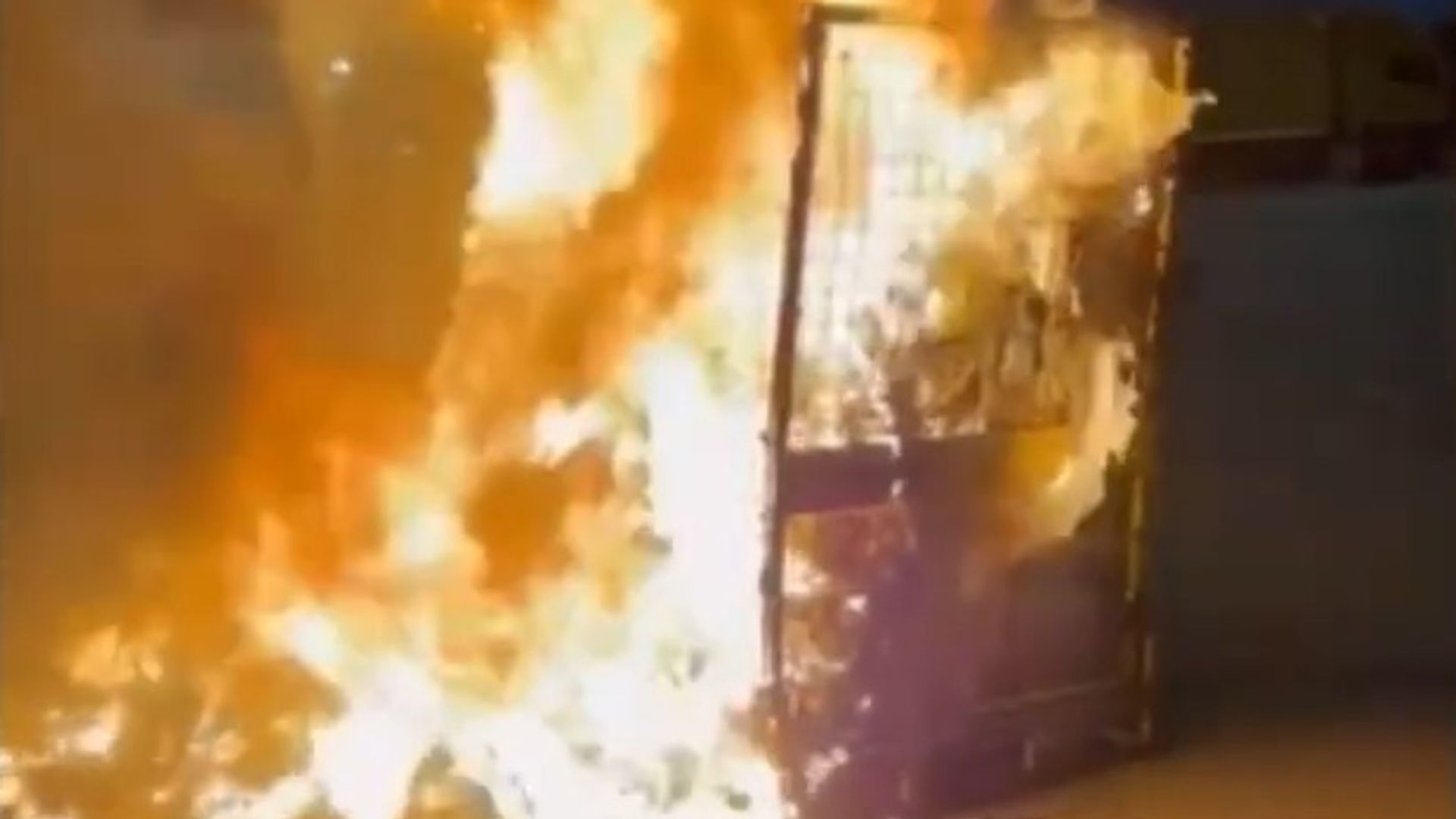
A package sitting in a DHL depot in Minworth, Birmingham, suddenly bursts into flames. It's July 22, 2024. At first, it looks like a freak logistics accident—maybe a faulty lithium battery. But as investigators dig through the charred remains, they find something much more sinister. This wasn't a manufacturing defect. It was a calculated, remote-controlled incendiary device designed to ignite not just a warehouse, but an entire aviation security crisis.
By March 2026, the picture's finally clear. This wasn't a one-off. The Birmingham fire was a piece of a sprawling, state-sponsored sabotage campaign orchestrated by Russian military intelligence, the GRU. We're talking about a "test run" for something much bigger. If these devices had triggered while the planes were mid-air over the Atlantic, we wouldn't be talking about a warehouse fire; we'd be talking about a mass-casualty disaster.
The GRU Strategy of Recruited Chaos
The most chilling part of this story isn't the technology—it's the people. The GRU didn't send elite spies in trench coats to Birmingham. They used Telegram to find "disposable" operatives. We've seen this pattern across Europe: 22 suspects identified so far in Lithuania and Poland, mostly people in "vulnerable socio-economic situations."
Think about that for a second. Your neighbor, a struggling student, or a desperate delivery driver gets a message on an encrypted app. They're offered cryptocurrency to pick up a package and drop it off. They might not even know they're working for a foreign intelligence service. They're just "gig workers" for the Kremlin’s hybrid war.
These devices were disguised as everyday consumer goods—electric neck massagers and cosmetic tubes. But inside, they were packed with a magnesium-based flammable substance and nitromethane. It's a clever, low-tech way to bypass standard airport security. It doesn't look like a bomb on a traditional X-ray. It looks like a gift from an online shop.
Why Birmingham was a Trial Run
Polish officials have been remarkably blunt about this: the Birmingham incident, along with a similar fire at Leipzig airport in Germany, was a rehearsal. The goal was to "test the transfer channel." Essentially, the GRU wanted to see if they could successfully smuggle incendiary devices onto planes bound for the United States and Canada.
The Timeline of the 2024 Parcel Plot
- May/June 2024: Recruitment begins via Telegram. Operatives are paid in crypto to move "test" packages through the Baltics.
- July 20, 2024: A container at Leipzig airport catches fire just before being loaded onto a cargo plane. A slight delay in the flight is the only reason the plane wasn't in the sky when it ignited.
- July 22, 2024: The Birmingham parcel ignites at the DHL depot. It had already traveled by air, though it’s still unclear if it was a cargo-only or a passenger-cargo flight.
- Late July 2024: Polish authorities intercept a fourth parcel in Warsaw. They find the timer, the ignition device, and the nitromethane.
- March 2025: A 38-year-old Romanian national is arrested at Stansted Airport, suspected of assisting Russian intelligence. He's later released but remains under a cloud of investigation.
Breaking the Crime-Terror Nexus
What we're seeing is a "crime-terror nexus." Russia is basically outsourcing its sabotage to the criminal underworld and the desperate. It gives them "plausible deniability." If a warehouse burns down, they can just shrug and call it a coincidence. But the sheer volume of these attacks—over 150 identified incidents between 2022 and 2026—proves it's a deliberate policy.
They aren't just targeting military bases or government buildings anymore. They're targeting the infrastructure we all use. DHL depots, IKEA warehouses in Lithuania, paint factories in Poland. It’s about making life in the West feel unstable. It's about terrorizing the public to weaken support for Ukraine. Honestly, it's a desperate move, but it's a dangerous one.
What This Means for You
You're probably wondering why you should care about a parcel fire in a Birmingham warehouse. It matters because it changes how we have to live. Expect more delays at the airport. Expect more scrutiny on your international shipments. The "trust" that makes global logistics work is being weaponized.
We need to stop thinking of "war" as something that only happens on a front line with tanks. This is hybrid warfare. It’s happening in our sorting offices and on our phones. The UK government has responded by ramping up spending and expelling intelligence officers, but the real defense is awareness.
If you’re a business owner in logistics or even just someone who uses international couriers, you’ve got to be more vigilant. If a deal seems too good to be true, or if you’re asked to facilitate "simple" deliveries for strangers via Telegram, you’re likely being scouted as a pawn. Don't be the person who helps a foreign agency test their next incendiary device. If you see something that doesn't add up in your supply chain, report it to the Anti-Terrorist Hotline at 0800 789 321. Stay sharp, because the "front line" just moved to the local depot.