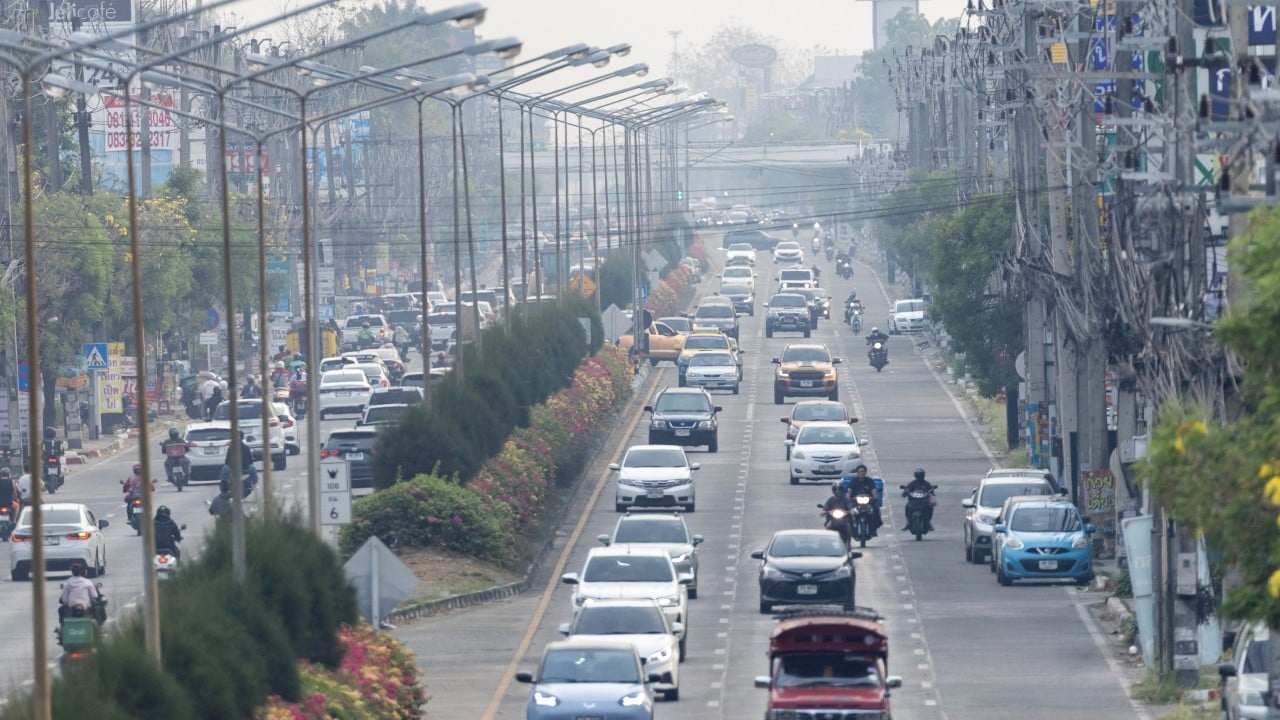
Thinking that working from home will automatically save the planet is a dangerous trap. It sounds logical on paper. You aren't driving. The massive office lights are off. The elevators aren't humming. But in Southeast Asia, the math just doesn't add up. We’re seeing a massive shift where energy isn't being saved—it’s just being moved from efficient central hubs to inefficient, scattered households.
The reality of the region’s climate makes this a unique mess. In London or San Francisco, a remote worker might just need a laptop and a sweater. In Bangkok, Jakarta, or Manila, you need the air conditioning. This one appliance is single-handedly wrecking the environmental promise of the remote work revolution. Meanwhile, you can read other developments here: Why the US Treasury Can Kill a Swiss Bank with One Letter.
The Air Conditioning Trap
When you go into a modern Grade A office building in Singapore or Kuala Lumpur, you're benefiting from massive, centralized cooling systems. These chillers are incredibly efficient. They cool thousands of people at once using a fraction of the energy per person compared to a home unit.
When those same thousand people stay home, they turn on a thousand individual split-unit air conditioners. These home units are often older, poorly maintained, and leak cool air through gaps in doors and windows. You aren't just cooling your desk. You’re cooling your bedroom, your living room, and your kitchen. To understand the complete picture, check out the excellent article by Investopedia.
The International Energy Agency (IEA) has highlighted that air conditioning is the fastest-growing use of electricity in buildings. In Southeast Asia, this demand is expected to triple by 2040. If we keep moving the workforce into homes that weren't built for thermal efficiency, we’re essentially pouring gasoline on a fire.
Home Offices Aren't Built for This
Most residential architecture in the region focuses on aesthetics or cost-cutting, not high-level insulation. Modern office towers use double-glazed glass and advanced thermal barriers. Your apartment likely doesn't.
I’ve seen it happen. A worker stays home to "save on the commute," but by 2:00 PM, the tropical sun is hitting their apartment wall. The room temperature spikes to 32 degrees Celsius. They crank the AC down to 18. That single unit is now working harder than a marathon runner, pulling massive amounts of power from a grid that still relies heavily on coal and gas.
Then there’s the "always-on" problem. At home, you’re using more than just a laptop. You’ve got the fridge running, maybe a second monitor, the lights in other rooms because your family is home, and the microwave for lunch. In an office, these costs are shared. At home, they’re multiplied across millions of households.
The Commute Myth
People love to talk about the carbon footprint of the commute. Yes, sitting in Jakarta traffic for two hours is terrible for the soul and the environment. But we have to look at the net impact.
If your commute was on a train or a bus, your individual carbon saving by staying home is actually quite small. Public transit is efficient. If you replace a 45-minute train ride with 8 hours of a 1.5-horsepower air conditioner at home, the planet actually loses.
A study by the Economic Research Institute for ASEAN and East Asia (ERIA) suggests that unless residential buildings become significantly more energy-efficient, the "work from home" model could actually increase total national energy demand. We’re trading a visible problem (traffic) for a hidden one (grid strain).
Residential Energy Inefficiency
- Poor Insulation: Most homes in the region lose 30% of their cooling through thin walls and single-pane glass.
- Appliance Age: Older home appliances consume up to 50% more power than modern, inverter-based office systems.
- Behavioral Slop: People tend to leave lights and fans on in multiple rooms when working from home.
Data Centers are the New Commute
Even if you ignore the AC, there’s a digital cost we rarely discuss. Remote work relies on a massive infrastructure of cloud computing, video calls, and constant connectivity.
Every Zoom meeting you host isn't "free" energy-wise. It requires massive data centers to process that video in real-time. These centers require incredible amounts of electricity and water for cooling. As we move away from physical interaction, we’re just shifting our carbon footprint to a server farm in the suburbs.
The energy intensity of our digital lives is skyrocketing. While an office might have a single high-speed line serving hundreds, home setups require millions of individual routers and modems drawing power 24/7. It’s a death by a thousand cuts for the energy grid.
How to Actually Fix the Remote Work Footprint
We shouldn't just give up and go back to the office full-time. That’s not the answer. The answer is changing how we live and work.
If you're an employer, you can’t just claim "green" credits because your office is empty. You’re just offloading your carbon footprint onto your employees' utility bills. Companies need to start looking at "Scope 3" emissions—the ones created by employees working remotely.
Practical Steps for Remote Workers
- Invest in Inverters: If you're working from home long-term, get an inverter AC. It’s more expensive upfront but uses about 40% less power.
- The Zone Method: Don't cool the whole house. Use a small, dedicated workspace that can be sealed off.
- Mechanical Ventilation: Use a high-quality ceiling fan alongside the AC. This allows you to set the thermostat to 25 or 26 degrees while still feeling cool.
- Thermal Curtains: Blackout curtains aren't just for sleep. They block the solar heat gain that forces your AC to work overtime.
Governments in Southeast Asia need to stop viewing remote work as a silver bullet for congestion and start seeing it as a new challenge for the power grid. We need stricter building codes for residential properties. If a house is going to be an office, it needs to perform like one.
Stop assuming that staying in your pajamas is a win for the environment. Without a radical change in how we cool our homes and manage our digital consumption, the remote work dream is just a different kind of environmental nightmare. Upgrade your hardware, seal your windows, and stop treating the AC remote like a toy. It’s the only way to make the math work.