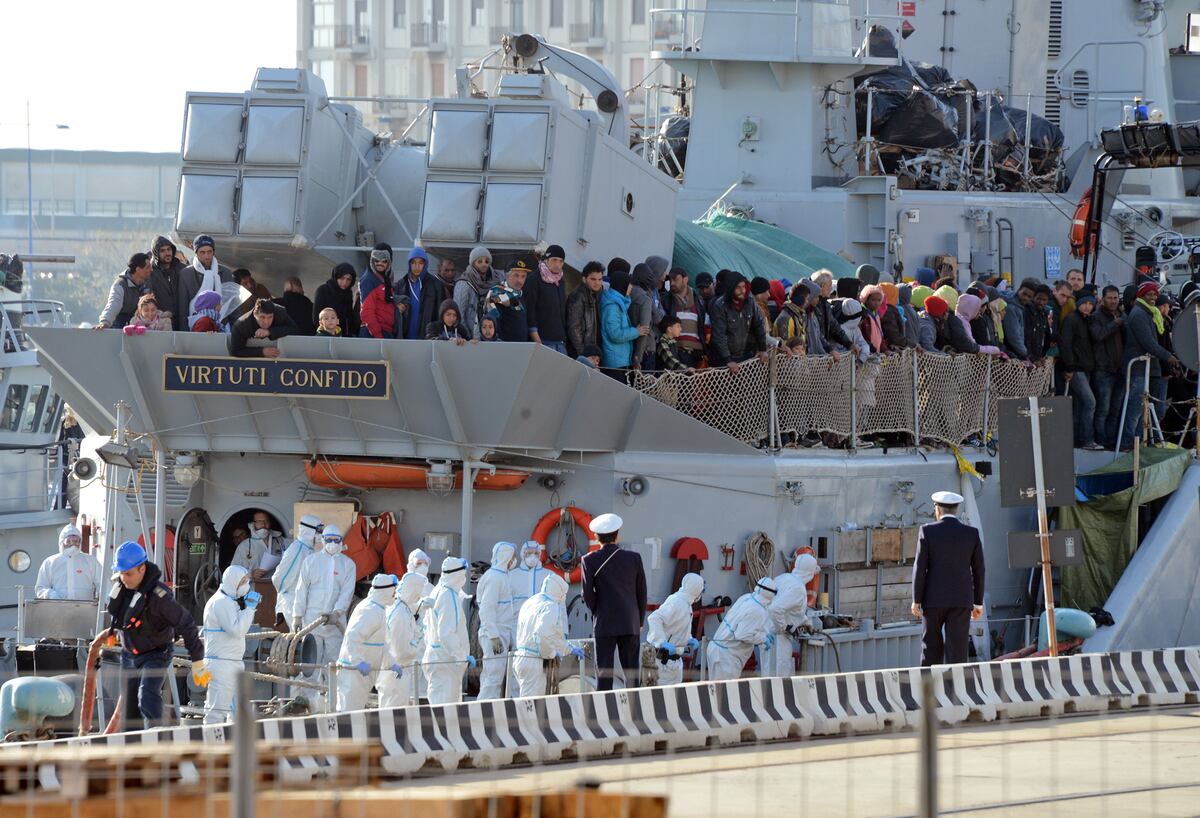
The moral panic surrounding the Interim Federal Health Program (IFHP) has reached a fever pitch. If you believe the headlines, Canada is on the verge of a humanitarian collapse because of proposed "cuts" to refugee healthcare. Advocates are screaming from the rooftops, claiming these fiscal adjustments are a death sentence for the vulnerable.
They are wrong.
The current discourse is built on a foundation of emotional blackmail rather than operational reality. The "lazy consensus" suggests that throwing more money at a fragmented, supplemental insurance scheme is the only ethical path forward. In reality, the IFHP is a bureaucratic stopgap that often creates more barriers than it removes. We aren't discussing healthcare; we are discussing the survival of a bloated administrative layer that prioritizes optics over outcomes.
The Myth of the Funding Cliff
Every time a government suggests streamlining the IFHP, the immediate response is a flurry of open letters from medical associations. They claim that reducing supplemental coverage will "clog" emergency rooms. This argument is a classic logical fallacy.
Emergency room wait times in Canada are not driven by a lack of supplemental dental coverage for refugee claimants. They are driven by a systemic failure in primary care access that affects every person on Canadian soil. By framing this as a specific "refugee healthcare" crisis, advocates ignore the fact that the IFHP is essentially a gold-plated secondary insurance plan that often provides better immediate coverage than what is available to the working-class Canadian citizen paying into the system.
I have seen the internal friction. I have watched clinics struggle to bill a federal system that uses 1990s-era processing standards while the provincial systems move (slightly) faster. The complexity of the IFHP is what drives doctors away from taking refugee patients, not the dollar amount attached to the claims.
Equity vs Equality
The loudest critics argue that any reduction in IFHP benefits is a violation of the Canadian Charter of Rights and Freedoms. They point to the 2014 Federal Court ruling that deemed previous cuts "cruel and unusual." But let's look at the nuance that the "human rights" lobby ignores.
There is a fundamental difference between providing essential, life-saving medical care and providing a comprehensive suite of benefits that includes high-end vision care, orthotics, and psychotherapy—benefits that the average Canadian must pay for out-of-pocket or through private employment insurance.
When we elevate the temporary coverage of claimants above the baseline of the permanent population, we don't create equity. We create resentment. This resentment fuels the very anti-immigrant sentiment that refugee advocates claim to fight.
The Cost of Complexity
Imagine a scenario where a refugee claimant needs a basic prescription. Under the "robust" IFHP, the pharmacist has to navigate a labyrinthine federal portal, often facing rejected claims due to minor clerical errors. The patient waits. The pharmacist loses money on administrative time.
If we truly cared about outcomes, we would stop trying to maintain a separate, federal "boutique" healthcare system for refugees. We would fold them into provincial plans immediately. But we don't. Why? Because the federal government wants to look like the savior while forcing the provinces to do the heavy lifting. The IFHP is a political tool, not a medical one.
The Fraud of the "Economic Burden" Argument
Proponents of expanded IFHP coverage love to cite studies claiming that every dollar spent on refugee healthcare saves ten dollars in future costs. These numbers are often massaged. They rely on the assumption that without federal dental coverage, every claimant will end up in the ICU with sepsis.
It’s an exaggeration.
Most healthcare costs are concentrated in a tiny fraction of the population with chronic, complex needs. The vast majority of refugee claimants are young, able-bodied, and motivated. They don't need a massive federal bureaucracy managing their every aspirin; they need a work permit and a provincial health card.
The "economic burden" isn't the healthcare itself; it's the delay. By keeping refugees in a state of "temporary" federal coverage, we extend their period of dependency. We treat them as patients first and citizens second.
Why the Medical Associations are Wrong
The Canadian Medical Association (CMA) and similar bodies often lead the charge against these cuts. While their intent may be noble, their perspective is skewed by their position within the system. For a physician, a federal insurance scheme that pays "fee-for-service" without the usual provincial caps is a win.
When the IFHP is scaled back, physicians have to deal with the reality of provincial billing, which is often less lucrative and more strictly audited. The "crisis" they describe is, in many cases, an administrative headache masquerading as a moral catastrophe.
The Harsh Reality of Resource Allocation
We live in a world of finite resources. This is the truth that no politician wants to admit. Every dollar spent on the IFHP's administrative overhead is a dollar not spent on:
- Reducing the five-year waitlist for family doctors.
- Building affordable housing for the very refugees we are "protecting."
- Improving the credential recognition process for foreign-trained doctors.
If you have $100 million to spend, do you spend it on a secondary insurance layer for 50,000 people, or do you spend it on structural reform that helps 40 million? The "contrarian" view is actually just basic math.
The Counter-Intuitive Path Forward
Stop fighting to save the IFHP. Start fighting to abolish it.
The existence of a separate healthcare tier for refugees is an admission of failure. It assumes that our provincial systems are so broken that we must create a federal shadow-system to protect newcomers from them. This is the "soft bigotry of low expectations" applied to public policy.
We should be demanding that the federal government transfer the entirety of the IFHP budget directly to the provinces, with the strict mandate that refugee claimants be issued provincial health cards on day one.
This would:
- Eliminate the administrative double-work.
- Ensure continuity of care when a claimant's status changes.
- End the "us vs. them" narrative regarding benefit levels.
The Hidden Downside
Of course, this approach has a flaw. It forces us to acknowledge that our provincial healthcare systems are failing everyone. It removes the "refugee" scapegoat and puts the focus back on the structural rot in our hospitals.
The advocates don't want this. If the problem is "cuts to refugee care," they have a clear villain and a simple fundraising slogan. If the problem is "systemic provincial collapse," they have a lifelong battle against a bureaucratic mountain. They prefer the simpler fight, even if it leads to worse long-term outcomes for the people they represent.
The Reality of the "Cruel" Cuts
Let's talk about the specific benefits that are usually on the chopping block: supplemental drugs, dental, and vision. In the context of a Canadian worker who just lost their job and their dental plan, these "cuts" aren't an atrocity. They are a correction.
We must distinguish between essential care (the right to see a doctor, the right to emergency surgery, the right to life-saving medication) and supplemental benefits.
By pretending that a reduction in supplemental benefits is the same as a total denial of healthcare, the activist class loses its' credibility with the average voter. They are crying wolf, and eventually, the public stops listening.
Stop Asking the Wrong Questions
The question isn't "How much should we cut from the IFHP?"
The question is "Why does the IFHP still exist in a country that prides itself on universal healthcare?"
If you are marching in the streets to save a federal insurance portal, you have already lost the plot. You are fighting for the status quo. You are fighting for the very "landscape" of bureaucracy that makes life harder for refugees in the first place.
The status quo is a trap. The "cuts" are a distraction. The real scandal is that we’ve spent decades building a two-tier system under the guise of compassion, and now we’re shocked that the math doesn't add up.
Stop defending the stopgap. Demand a system that doesn't need one.