Tehran just signaled its willingness to stop strangling the global economy, but the price tag is something the White House likely cannot stomach. In a diplomatic maneuver transmitted through Pakistani intermediaries this week, Iran proposed reopening the Strait of Hormuz—the world’s most vital oil artery—on the condition that the United States immediately terminates its naval blockade of Iranian ports. Notably, the offer seeks to decouple the maritime crisis from the one thing Washington went to war over: Iran's nuclear program.
It is a classic "bait and switch" in high-stakes geopolitics. By offering to restore the flow of 20% of the world's oil, Tehran is betting that skyrocketing energy prices and empty shelves in the West will force President Trump to accept a deal that leaves Iran’s centrifuges spinning. The proposal effectively demands an end to the current conflict without Iran surrendering its enriched uranium or its nuclear ambitions.
The Economic Chokehold
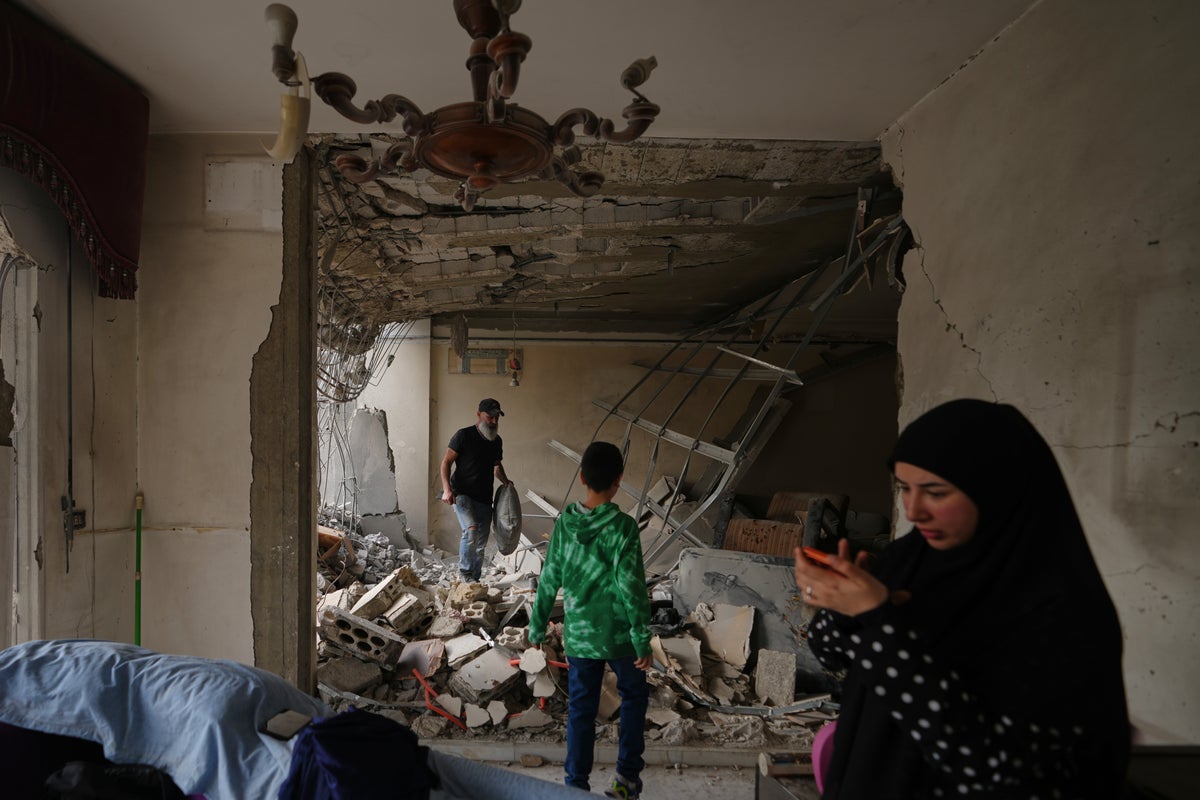
Since the conflict erupted in February 2026, the Strait has been a ghost town for Western tankers. Brent crude has surged to $108 per barrel, a 50% spike that has sent shockwaves through global markets. While the U.S. military’s Central Command has successfully turned back dozens of ships attempting to breach its counter-blockade of Iran, the cost of this "victory" is being paid at gas stations in Ohio and fertilizer plants in Bavaria.
Iran knows it cannot win a traditional naval war against a U.S. carrier strike group. Instead, it has turned the waterway into a toll booth of terror. By allowing only "non-hostile" vessels—largely from China and Pakistan—to pass through, Tehran has created a tiered global economy where American allies pay a premium for survival while its partners continue to trade. The new proposal to "open" the gates for everyone is not an act of mercy; it is a calculated attempt to break the U.S.-led sanctions regime by making the blockade's continuation look like the only obstacle to global stability.
A Legacy of Ash and Uranium
The current standoff is the direct result of the failed "snapback" sanctions of late 2025 and the subsequent U.S.-Israeli strikes that killed Supreme Leader Ali Khamenei. His successor, Mojtaba Khamenei, has used the closure of the Strait as his primary survival mechanism. For the new regime, the waterway is more than a trade route. It is their only remaining shield.
The U.S. administration remains locked into a "zero enrichment" policy. Vice President JD Vance has been blunt: the objective is the total removal of Iran's highly enriched uranium stockpile. Iran’s latest offer pointedly ignores this. By suggesting that nuclear talks be "postponed to a later date," Tehran is attempting to secure a permanent ceasefire and the lifting of the blockade in exchange for a temporary maritime peace. If the U.S. accepts, it loses its primary lever of pressure before the nuclear issue is even on the table.
The Russian Connection
Foreign Minister Abbas Araghchi’s recent flight to St. Petersburg to meet with Vladimir Putin highlights the architecture of this proposal. Russia, also squeezed by Western sanctions, benefits from the chaos but needs Iranian oil infrastructure to remain intact to keep global supply tight. Moscow’s role as a mediator is less about peace and more about ensuring that any deal reached in Islamabad preserves Iran as a viable regional disruptor.
Why the White House Won't Bite
The political math in Washington is increasingly complicated by the upcoming midterm elections. While the public is weary of high fuel costs, the Trump administration has framed this war as a definitive mission to prevent an Iranian bomb. Accepting a deal that reopens the Strait but leaves the nuclear facilities untouched would be seen as a strategic retreat.
The U.S. Navy has already intercepted nearly 40 ships attempting to enter Iranian ports since the counter-blockade began. This "war of the blockades" has created a stalemate where neither side can move. Iran is running out of places to store the oil it cannot sell, risking permanent damage to its reservoirs. Meanwhile, the U.S. is facing intense pressure from European and Gulf allies who are watching their economies bleed out.
The Toll Road Strategy
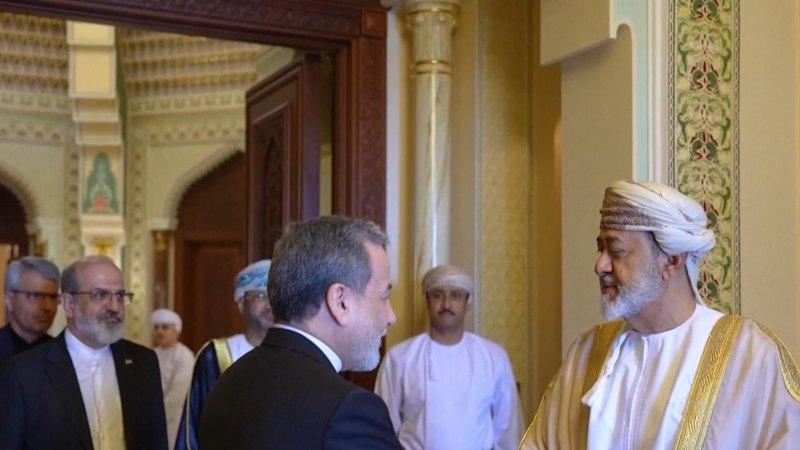
Tehran is also floating a secondary plan through Oman: a permanent mechanism to collect "tolls" from all vessels passing through the Strait. This would essentially turn one of the world's most important international waterways into Iranian sovereign property, a move that would upend decades of maritime law. It is a bold, perhaps desperate, attempt to monetize the geography of the Persian Gulf once the guns fall silent.
The proposal currently sitting on the desk of U.S. negotiators is not a peace treaty. It is a dare. Iran is betting that the Western appetite for cheap oil is stronger than the American resolve to dismantle a nuclear program. If Washington blinks, it secures the Strait but guarantees a nuclear-armed Iran within the decade. If it holds the line, the global economy continues its slow-motion wreck.
The Strait of Hormuz remains closed because the price of opening it has become higher than the world is currently willing to pay.