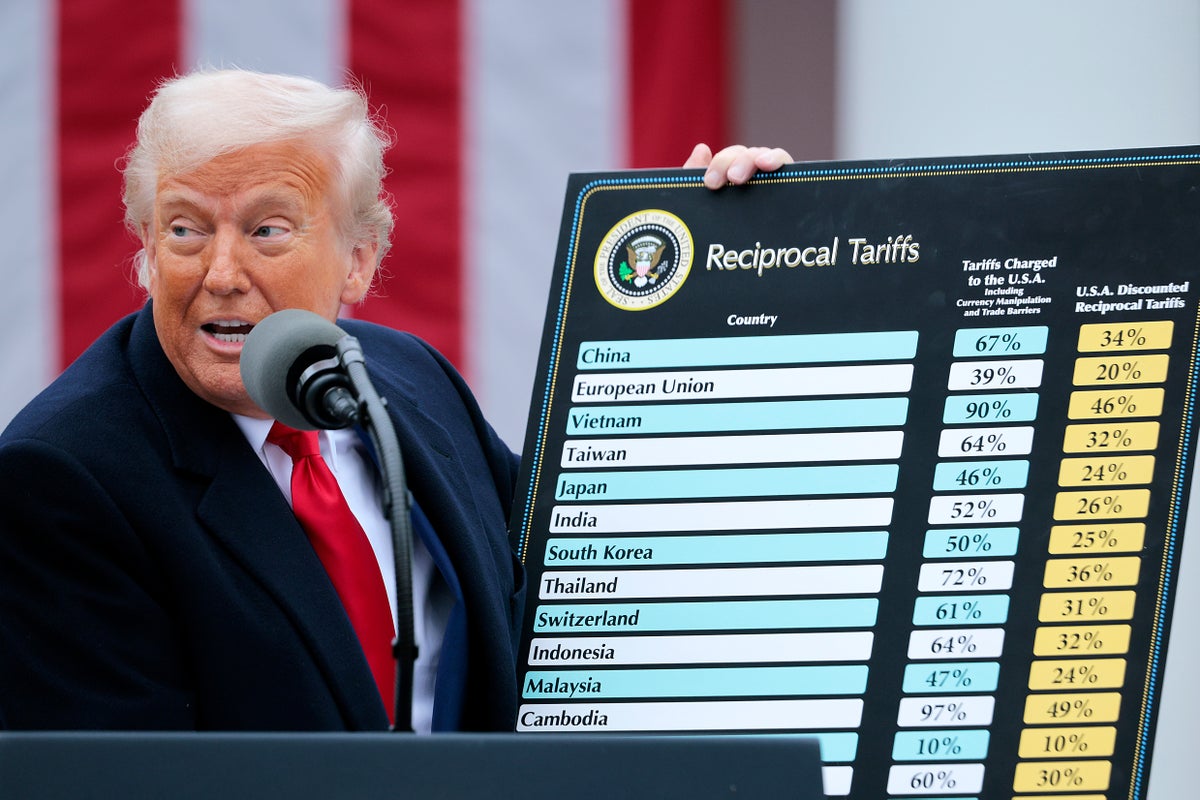
Don't let the complex charts and political shouting matches fool you. The reality of the recent trade war is hitting your bank account right now, whether you're buying a new car or just grabbing groceries. A major report from the Institute of International Finance (IIF) just confirmed what many economists feared: the sweeping tariffs reinstated by the Trump administration have caused significant damage to the US economy. This isn't just a headache for importers. It's a structural shift that's fundamentally changing how much things cost in America.
The IIF joins a growing chorus of financial heavyweight groups, including J.P. Morgan and the Tax Foundation, in warning that these trade barriers act as a massive tax on domestic consumers. While the administration argues these duties protect American jobs, the data from early 2026 tells a much grimmer story of price hikes and market instability.
Why the Supreme Court Ruling Changed Everything
If you haven't been following the legal drama, here's the short version. In February 2026, the Supreme Court dropped a bombshell by ruling 6-3 that the use of the International Emergency Economic Powers Act (IEEPA) to bypass Congress for tariffs was actually illegal. This move potentially triggers up to $166 billion in refunds to US companies that were forced to pay those duties over the last year.
You'd think that would be the end of it, but the administration pivoted fast. Almost immediately after the ruling, a new 10% global tariff was slapped on imports using Section 122 of the Trade Act of 1974. There's even talk of pushing that to 15%. This constant shifting of rules creates a climate of "legal whiplash" that makes it nearly impossible for businesses to plan their budgets for the next quarter, let alone the next year.
The Invisible Tax on Your Household
Let's talk numbers because they're staggering. Research from the Tax Foundation indicates that the average US household is seeing an effective tax increase of about $700 in 2026 alone due to the current tariff regime. If you look back at 2025, that number was closer to $1,000.
Think about what that buys. It's a monthly car payment. It's a semester of books for a college student. It's several weeks of groceries. When politicians talk about tariffs, they often frame it as "making other countries pay." Honestly, that's just not how it works. About 90% of these costs are passed directly to the people importing the goods. That means the US company bringing in the steel, the electronics, or the pharmaceuticals is the one writing the check to the government—and then they're raising their prices to you to cover the loss.
Where the Damage is Hitting Hardest
- Manufacturing: With 50% tariffs on steel and aluminum, the cost of building anything from a toaster to a tractor has skyrocketed.
- Retail: Items like upholstered furniture and kitchen cabinets face duties between 25% and 50%, making home renovations a luxury few can afford.
- Pharmaceuticals: New levies on imported medicines are a direct hit to healthcare costs, an area where Americans were already struggling.
The Decoupling from China is Real but Costly
One of the main goals of this trade policy was to "decouple" the US economy from China. On that front, the administration is technically succeeding. Trade with China has shrunk significantly. But here's the catch: the overall US trade deficit hasn't actually improved much.
Instead of making everything at home, we're just buying from other places—often at higher prices. We're seeing more imports from Vietnam, Mexico, and India. While this shifts the geopolitical balance, it doesn't solve the core issue of rising costs for American businesses. In fact, the Yale Budget Lab pointed out that core goods prices were up 1.9% year-over-year as of early 2026, largely because of these trade disruptions.
Jobs Aren't Growing Where You'd Expect
The big promise was a manufacturing renaissance. We were told these tariffs would bring the factories back. But the labor data from early 2026 is lukewarm at best. While some sectors show resilience, the Tax Foundation estimates that these tariffs could actually eliminate about 154,000 full-time equivalent jobs this year.
The logic is simple: when it costs more to buy the raw materials needed to run a factory, that factory has less money to hire people. It's a classic case of unintended consequences. You protect the steel industry, but you hurt every other industry that uses steel. It's a trade-off that is currently leaning heavily toward the "loss" column for the broader economy.
Practical Steps to Protect Your Bottom Line
If you're a business owner or just a concerned consumer, you can't wait for a change in trade policy to save you. You need to be proactive.
First, if you're in manufacturing or retail, audit your supply chain for "tariff-engineered" sourcing. This means looking for countries that have specific trade exemptions or lower rates, like Switzerland or the UK in certain metal categories.
Second, if your business paid IEEPA tariffs that were recently ruled illegal, get your documentation in order immediately. The US Customs and Border Protection (CBP) is expected to start processing refunds as early as mid-May 2026. That’s potentially billions of dollars returning to the private sector, and you don't want to be at the back of that line.
Finally, brace for volatility. The administration's "Section 122" tariffs have a 150-day window before they need congressional approval. That means by late summer 2026, we could see another massive shift in rates. Keep your inventory lean and your pricing flexible. The era of predictable global trade is over, and the winners will be the ones who can pivot the fastest when the next round of duties hits.