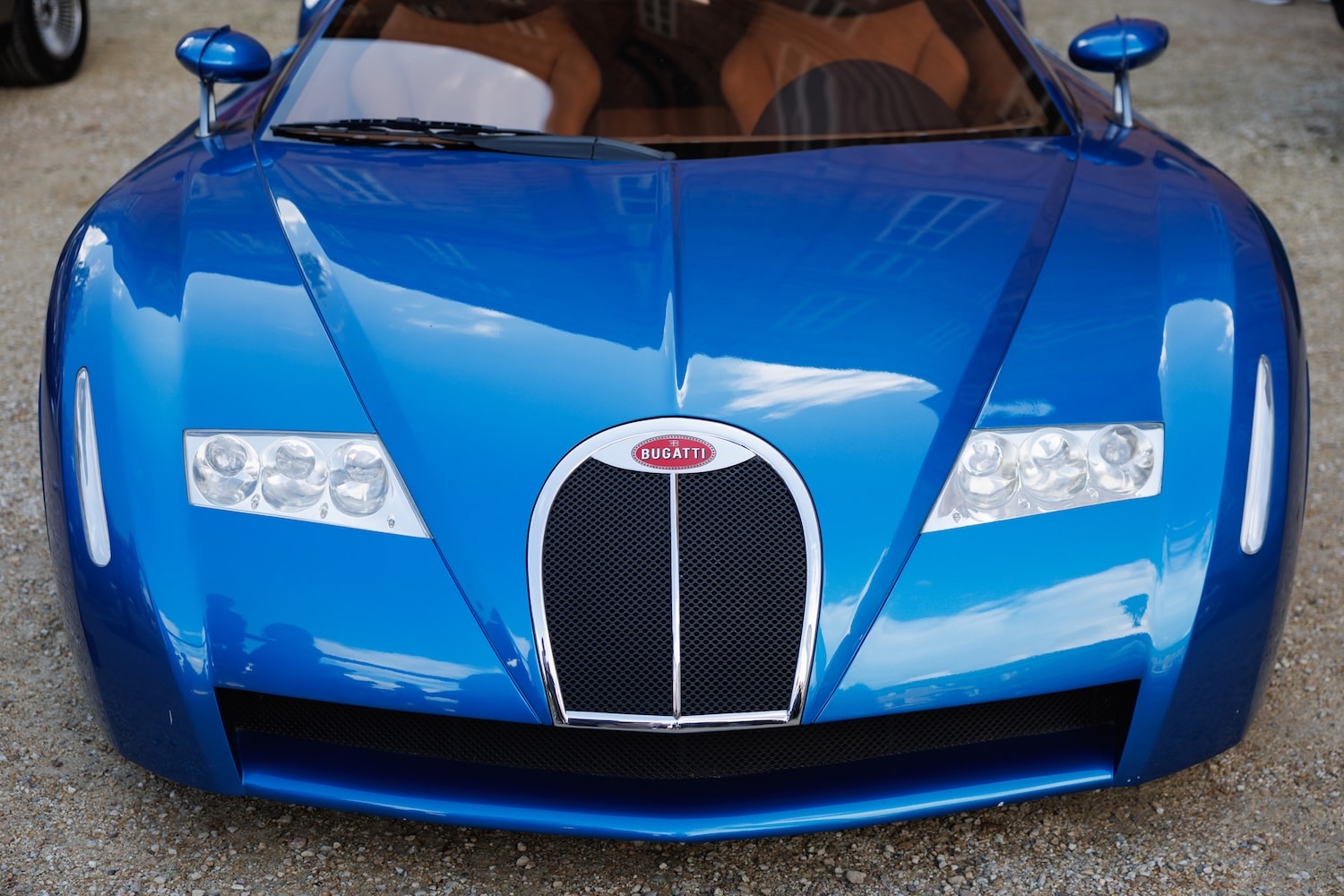
Porsche just pulled off a billion-euro maneuver that says more about the future of the German car industry than any press release ever could. By selling a significant portion of its stake in Bugatti to HOF and BlueFive, the Stuttgart-based automaker isn't just balancing the books. It's making a loud statement about where its priorities lie.
The deal, valued at over €1 billion, shifts the power dynamic within the ultra-luxury segment. While enthusiasts might see this as Porsche distancing itself from the world of 1,500-horsepower hypercars, the reality is much more calculated. Porsche needs cash. Lots of it. And they're willing to trade their piece of the Molsheim legend to get it. Meanwhile, you can explore similar events here: Why Pakistan is finally selling donkey meat to China.
Why Porsche is walking away from the Bugatti table
It isn't that Bugatti is a bad investment. Far from it. Under the joint venture with Rimac, Bugatti has seen a resurgence that most brands would kill for. The Tourbillon, with its naturally aspirated V16 and Swiss-watch-inspired interior, has already captured the imagination of the world's 0.01%. But Porsche is playing a different game now.
The automotive world is currently caught in a brutal transition. Porsche is dumping billions into its SSP (Scalable Systems Platform) and trying to figure out how to make an electric 911 feel like a 911. That kind of R&D doesn't come cheap. By offloading this stake to HOF and BlueFive, Porsche secures a massive liquidity injection without having to take on more debt or dilute its own brand equity. To explore the bigger picture, we recommend the recent analysis by CNBC.
They're essentially selling a luxury asset at its peak to fund the messy, expensive work of survival in the EV age. It’s smart. It’s cold. It’s classic Porsche.
Who are HOF and BlueFive anyway
You won't find these names on the back of a jersey or on a massive billboard in Times Square. These are the types of investment vehicles that move in silence. HOF and BlueFive represent a specific breed of private equity and family office capital that views hypercars not just as toys, but as alternative assets.
In a world where the stock market is volatile and real estate is hit-or-miss, a brand like Bugatti is like gold with a tailpipe. The scarcity is built-in. You can't just go buy a Bugatti; you have to be invited to spend $4 million. For HOF and BlueFive, this isn't about engineering engines. It’s about owning a piece of a brand that has a 100% success rate in maintaining value.
They aren't looking to change how Bugatti operates. Why would they? Mate Rimac is already doing a stellar job of dragging the brand into the future. Instead, these firms are betting that the "Veblen good" status of Bugatti will only intensify as internal combustion engines become illegal for the masses.
The Rimac factor and the new hierarchy
Let’s be real about the situation. Mate Rimac is the one actually running the show. When Bugatti-Rimac was formed, it was a masterclass in corporate restructuring. Porsche kept a 45% stake in the joint venture, while Rimac Group held 55%. This latest sale involves Porsche’s indirect holdings and parts of the broader equity structure, effectively bringing in HOF and BlueFive as the new "money" in the room.
This move actually frees Mate Rimac to be even more aggressive. When your primary shareholder is a massive German corporation like Porsche, you have to deal with endless committees and "corporate synergy" meetings. With private equity partners like BlueFive, the goals are usually much simpler: increase the brand's prestige and protect the margins.
I've seen this play out before in the luxury space. When a technical founder gets paired with hands-off, high-net-worth backing, the innovation usually speeds up. They don't care about parts-sharing with a Volkswagen Golf. They want the wildest, most expensive thing possible because that’s what drives the ROI.
What this means for the cars themselves
If you're worried that Bugattis are going to start looking like generic investment-grade assets, don't be. If anything, this deal ensures that Bugatti stays weird and expensive. Porsche's exit (or partial exit) removes the pressure for Bugatti to conform to any "Group" standards.
Bugatti can now double down on being the ultimate outlier. We’re talking about a company that spends years developing a single headlight. That doesn't make sense on a Porsche balance sheet. It makes perfect sense for a private equity firm looking to own the "Best in World" in a specific category.
- Expect even more limited "few-off" models.
- Expect prices to climb even higher than the current $4 million entry point.
- Expect a focus on bespoke "sur mesure" programs that make a standard Chiron look like a rental car.
The era of the "corporate hypercar" is ending. We're entering the era of the "sovereign hypercar," where the only limit is what the buyers are willing to pay.
The brutal reality of the German automotive slump
We have to talk about the elephant in the room. Germany's car industry is hurting. Between high energy costs at home and slowing sales in China, the big players are feeling the squeeze. Porsche isn't immune. While they're still more profitable than most, they see the writing on the wall.
Selling a stake in Bugatti for over a billion euros is a defensive move disguised as a strategic one. It provides a cushion. If the transition to electric vehicles takes longer than expected—which it is—Porsche now has the cash to pivot back or double down without panicking.
It's a hedge. They’re trading the certainty of Bugatti’s current success for the capital needed to ensure Porsche’s future success. Most people see a headline about a billion-euro deal and think it's just big numbers. It's actually a survival tactic.
Stop thinking about Bugatti as just a car company
To understand why HOF and BlueFive paid this much, you have to stop looking at horsepower figures. Look at the Hermes-level branding instead. Bugatti is moving toward becoming a luxury house that happens to make cars. They're selling lifestyle, exclusivity, and a place in history.
Porsche knows this, but they aren't a luxury house. They're a high-performance manufacturer. The cultural gap between the two was always there. By letting HOF and BlueFive take the lead on the financial side, Bugatti can finally lean into its identity as a pure luxury play, unencumbered by the needs of a mass-market-adjacent parent company.
Where you should look next
If you're following the money, don't just watch Bugatti. Watch what Porsche does with that billion euros. If they pour it all into solid-state battery research or synthetic fuels, they might just save the internal combustion engine for the rest of us.
This deal isn't an ending. It's a realignment. Porsche gets the cash, Bugatti gets the freedom, and HOF and BlueFive get the ultimate trophy asset. Everyone wins, except maybe the competitors who don't have a billion-euro asset they can just sell off whenever they need a boost.
Keep an eye on the upcoming Porsche earnings calls. They won't mention Bugatti much anymore. They'll talk about "operational flexibility" and "liquidity reserves." That’s code for the billion euros they just tucked away. It’s the smartest move they've made in years.
If you want to track how this affects the market, watch the secondary prices for Chirons and Mistrals. If they spike, it means the market trusts the new investors to keep the exclusivity tight. If they flatline, then maybe Porsche got out at the perfect time. My money is on the spike.