The hope that we’d finally escaped the clutches of runaway price hikes just took a serious hit. If you’ve been to a petrol station lately, you already know the vibe is shifting. The latest data from the Office for National Statistics (ONS) confirms what your bank balance suspected: UK inflation climbed to 3.3% in March 2026.
It’s a frustrating pivot. Only a few weeks ago, the conversation was all about when—not if—the Bank of England would slash interest rates. Now, that optimism is buried under a pile of expensive fuel receipts. This isn't just a random blip; it's a direct consequence of the conflict in the Middle East, specifically the fallout from the Iran war, which has effectively weaponized global energy supplies.
The Pump Is Where the Pain Starts
The main culprit behind this 0.3% jump from February’s 3% reading is motor fuel. Petrol prices didn’t just tick up; they surged by 8.7% in a single month. That’s the most aggressive spike we’ve seen since the early days of the Ukraine invasion back in 2022.
Think back to mid-February. You were likely paying around 135p per litre for petrol. Fast forward to late March, and that figure has jumped to an average of 144p. Diesel drivers have it even worse, with prices climbing roughly 25p per litre in just three weeks.
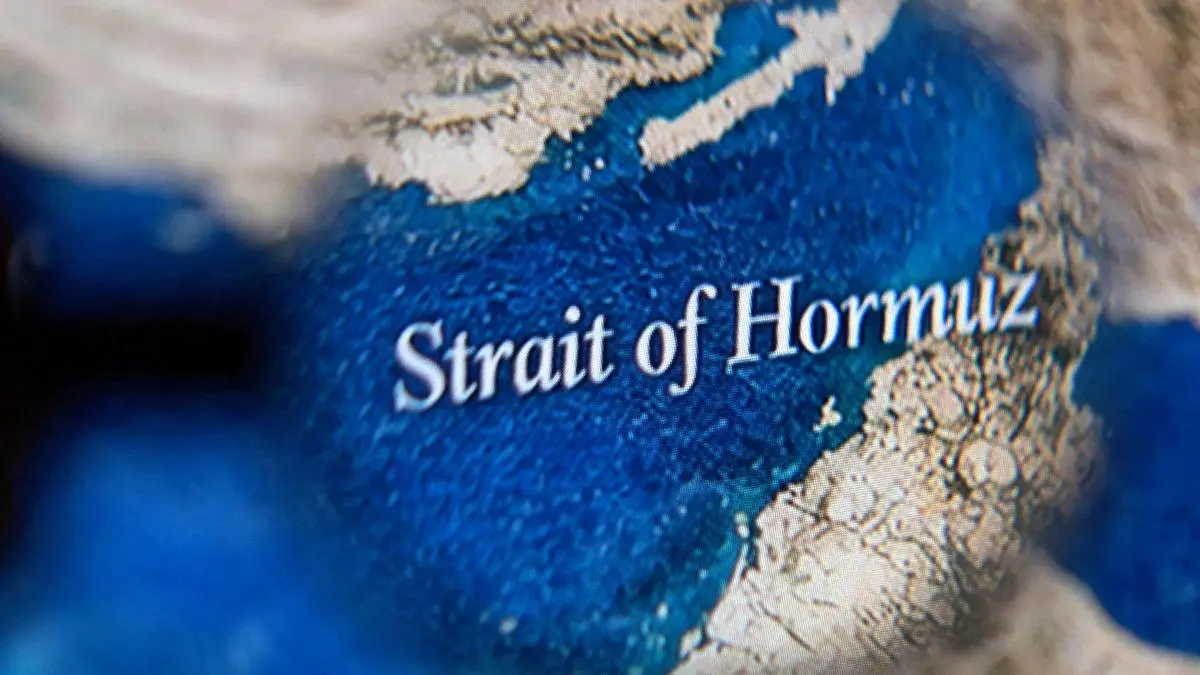
This happens because the Strait of Hormuz—the world’s most important oil chokepoint—is essentially a no-go zone right now. When 20 million barrels of oil per day get caught in a geopolitical bottleneck, the "rocket and feather" effect kicks in. Prices shoot up like a rocket the second a headline breaks, but they’ll drop like a feather once things settle. Right now, we’re still in the rocket phase.
It’s Not Just About Your Car
If you don't drive, don't think you're immune. Inflation has a nasty habit of "leaking" into everything else.
- Airfares: These jumped 10% in March. Part of that is the Easter holiday timing, but a bigger chunk is the doubling of jet fuel costs.
- Food Prices: Farmers use a lot of diesel and energy-intensive fertilizers. The National Farmers' Union is already sounding the alarm that your weekly shop is about to get more expensive again.
- Services Inflation: This is the one that really keeps central bankers awake at night. It rose to 4.5% in March. This suggests that price hikes are becoming "sticky" in the domestic economy, moving beyond just energy and into things like haircuts, restaurant meals, and repairs.
Why the Bank of England is Paralyzed
Before the strikes began on February 28, the Bank of England (BoE) was looking at a sunny spring. Inflation was on track to hit the 2% target. Rate cuts were practically a sure thing.
That script has been shredded.
Governor Andrew Bailey and the Monetary Policy Committee (MPC) are now stuck in a classic "damned if you do, damned if you don't" scenario. If they cut rates to help a sluggish economy, they risk letting this new inflation spike spiral out of control. If they raise rates—which some traders are now betting on—they make life even harder for homeowners with mortgages.
For now, the BoE is sitting on its hands. The base rate is held at 3.75%, and most experts think it’ll stay there at the next meeting on April 30. They’re waiting to see if this is a temporary "energy shock" or the start of a second wave of inflation that could push the headline rate toward 4% by autumn.
The Reality Check for Your Wallet
Chancellor Rachel Reeves has been blunt, calling the conflict a "folly" that is pushing up bills for British families. It's a tough pill to swallow because there’s very little the UK government can actually do to control the price of Brent crude when it’s hovering near $100 a barrel.
So, what should you actually do?
- Audit your travel: If you can't switch to an EV, now’s the time to be aggressive with fuel-saving habits. It sounds cliché, but those extra trips to the shop add up when diesel is 167p.
- Fix your mortgage expectations: If you were waiting for a big rate drop this summer to remortgage, you might want to talk to a broker sooner rather than later. The "cheap money" era isn't coming back as fast as we hoped.
- Watch the core data: Keep an eye on "Core CPI" (which excludes energy and food). If that starts rising alongside the headline rate, expect the Bank of England to get much more aggressive with interest rates.
The bottom line is that we're tethered to a global energy market that doesn't care about our cost-of-living crisis. This March spike is a wake-up call that the road back to "normal" inflation is going to be a lot bumpier than the forecasts suggested.