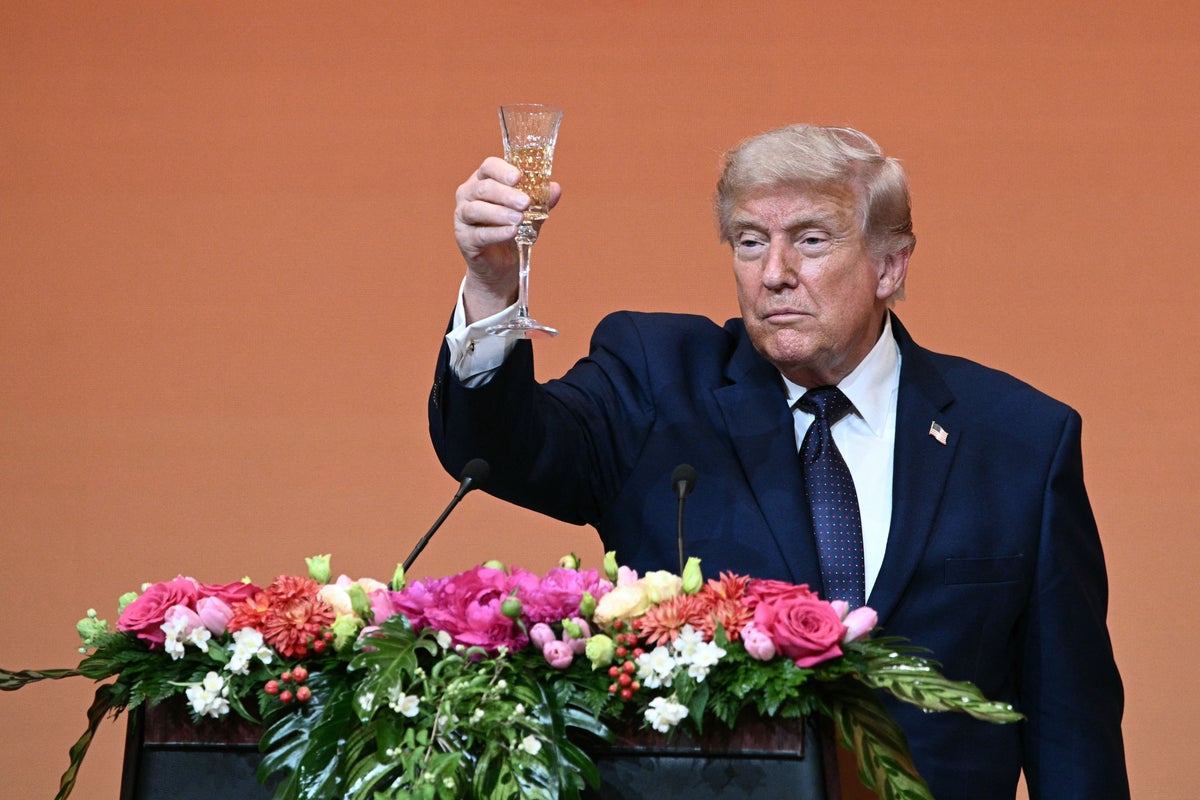
Don't let the headlines about "burgers and steaks" fool you. When Donald Trump sat down for his 2017 state banquet in Beijing, the Chinese government didn't just throw some meat on a grill and call it a day. They executed a masterclass in culinary diplomacy that was far more calculated than a simple fast-food pivot.
Beijing knows how to play the game. They understood that their guest of honor isn't exactly a fan of "adventurous" eating. While previous leaders might have been served delicacies like bird's nest or sea cucumber, the 2017 menu was a surgical strike designed to make the most powerful man in the world feel comfortable without sacrificing Chinese prestige. It wasn't about the absence of burgers; it was about the presence of a "middle way" that satisfied a Western palate while keeping the red carpet firmly rooted in Chinese tradition. Don't miss our recent coverage on this related article.
The Huaiyang Secret Weapon
You've probably heard of Sichuan or Cantonese food, but you rarely hear about Huaiyang cuisine in the West. That's a mistake. This style of cooking, hailing from the region around the Yangtze River, is the actual backbone of Chinese state hospitality. Why? Because it’s safe. It isn't spicy like Sichuan food, and it doesn't rely on the "exotic" textures often found in Cantonese dishes.
For Trump’s visit, the chefs leaned heavily into this "Middle Way." They served dishes that felt familiar but carried a high-end Chinese pedigree. Think of it as the ultimate fusion. Instead of a standard steak, they served stewed beef in tomato sauce. It’s basically a refined, upscale version of the comfort food Trump loves—steak and ketchup. It's a clever move. You give the guest exactly what they want but plate it in a way that looks like a masterpiece in the Great Hall of the People. To read more about the background here, Associated Press offers an informative breakdown.
Breaking Down the 2017 Menu
The menu wasn't just a list of food. It was a diplomatic strategy. Here’s what actually hit the table:
- Seafood Chowder: A safe, creamy starter that bridged the gap between East and West.
- Kung Pao Chicken: Perhaps the most recognizable Chinese dish in America. It was a nod to familiarity.
- Stewed Beef in Tomato Sauce: The centerpiece designed for a man who famously prefers his meat well-done.
- Poached Star Grouper: A high-end fish dish that showed off Chinese technique without being "weird."
- Vegetables in Broth and Fried Rice: Traditional staples to round out the meal.
They even kept the dessert approachable with fruit ice cream. No fermented bean pastes or durian here. It was a calculated effort to ensure the guest of honor actually ate his dinner.
More Than Just a Meal
The 2017 visit was dubbed a "State Visit Plus" by Chinese officials. This wasn't just marketing fluff. Trump was the first foreign leader to dine inside the Forbidden City since the founding of the People's Republic. That’s huge. We're talking about the former home of emperors.
Xi Jinping personally guided Trump and Melania through the Palace Museum, offered them tea, and let them watch a Peking Opera performance. All of this happened before the formal banquet even started. The goal was simple: overwhelm the visitor with so much pomp and personal attention that the thorny issues—trade deficits and North Korea—felt like background noise.
Why This Still Matters in 2026
Fast forward to today, and the "banquet diplomacy" of 2017 looks like a blueprint. As Trump returns to China in 2026, the stakes are even higher. Trade tensions have only tightened. The red carpet is back, the honor guards are standing tall, and the menu is once again a topic of intense scrutiny.
Reports from the 2026 visit show Beijing hasn't changed its playbook much. They're still serving crispy beef ribs and slow-cooked salmon in mustard sauce. They even threw in some tiramisu for dessert. It's the same strategy: minimize friction through the stomach.
The Strategy of the Soft Touch
Most people think diplomacy happens at a conference table. Honestly, it happens over the soup course. If a leader is annoyed by their food or feels out of place, the negotiation starts on the wrong foot. China’s chefs are essentially diplomatic agents. Their job is to ensure the guest feels like the most important person in the room.
When you see a headline mocking a leader for not eating "authentic" local food, you're missing the point. The "authenticity" isn't in the spice level; it's in the hospitality. By serving a version of Kung Pao chicken that an American palate can enjoy, China isn't "dumbing down" its culture. It’s exercising "soft power."
If you're following the 2026 summit, pay attention to the small details. Don't just look at the handshakes or the joint statements. Look at what's on the plate. If the menu looks "unadventurous," it’s because a team of world-class chefs spent months making sure it stayed that way. They aren't trying to change the guest's mind about food; they're trying to change their mind about the country.
Keep an eye on the official releases from the Great Hall of the People. The menu is often the most honest document to come out of these meetings. It tells you exactly how much the host is willing to compromise to keep the guest happy. In 2017, they compromised a lot. In 2026, the menu suggests they're still playing the long game.