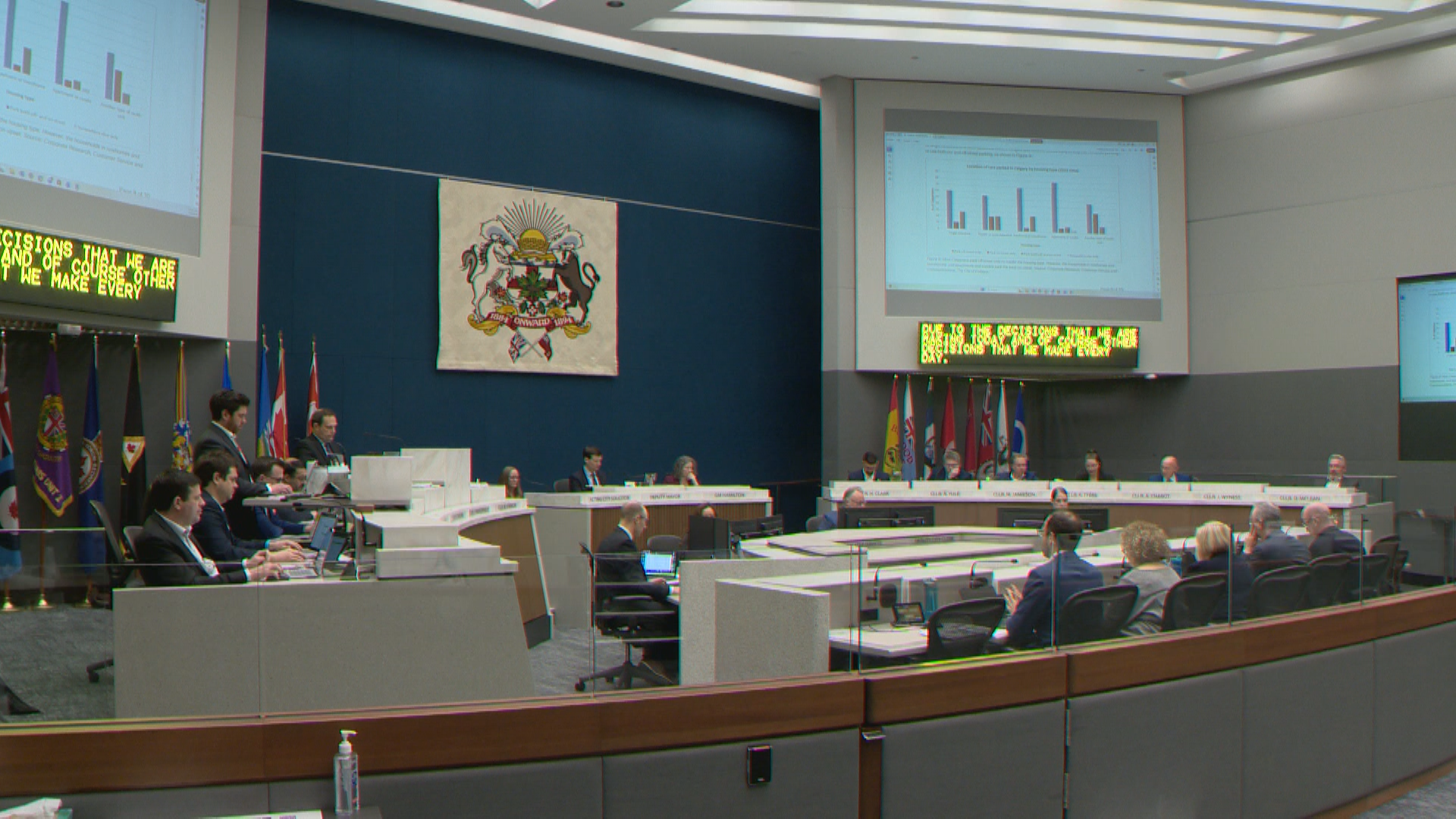
Calgary's housing drama just hit a bizarre turning point. For months, everyone from city hall insiders to skeptical homeowners worried that scrapping blanket rezoning would light a fuse under the city’s federal funding. The fear was simple: if Calgary walked back its promise to allow more density, the federal government would claw back hundreds of millions of dollars.
Well, the news is out, and it’s not the catastrophe people predicted.
The Canada Mortgage and Housing Corporation (CMHC) just confirmed that Calgary is staying on the payroll. Despite City Council voting to repeal the controversial citywide rezoning policy on April 8, 2026, the federal government is moving forward with the third installment of the Housing Accelerator Fund (HAF). We’re talking about a $64.7 million check hitting the city’s bank account.
But don’t think Calgary is totally off the hook. This isn’t a "no strings attached" gift. The feds are playing a long game, and the final payout—the fourth installment due in 2027—is dangling on a very thin thread.
Why the Feds didn't pull the plug yet
You might wonder why the federal government is handing over cash after Calgary basically said "no thanks" to the very policy that secured the money in the first place. It comes down to a technicality and a bit of political maneuvering.
Technically, Calgary is still in compliance. While the repeal was voted on in early April, the actual legal changes don't take effect until August 4, 2026. Between now and then, the "blanket rezoning" rules are still the law of the land. The federal government is essentially rewarding the city for the work it has done so far, rather than punishing it for what it might do in August.
Mayor Jeromy Farkas, who campaigned on a promise to "repeal and replace" the policy, is framing this as a massive win. He argued that the city can build homes without forcing a one-size-fits-all model on every neighborhood.
The federal government seems willing to listen—for now. Renée LeBlanc, speaking for the Minister of Housing and Infrastructure, noted that the decision to pay out the third installment was based on Calgary's progress to date. The city has already seen a surge in housing starts, and the feds don't want to kill that momentum.
The high price of the final installment
If you think the debate is over, you're wrong. The fourth and final payment of roughly $65 million is the real prize, and the federal government just set some very specific conditions to get it.
To see that last check, Calgary has to find a "replacement" policy by October 27, 2026. This replacement can't just be a return to the old ways. The federal government is demanding that a "significant majority" of residential lots in Calgary still allow for a minimum of four units.
Basically, the feds told Calgary: "You can call it whatever you want, but you still have to let people build four-plexes."
Here is what is actually changing on the ground once the repeal kicks in this August:
- 99% of properties will revert to their pre-2024 zoning.
- The R-CG zone (the one that allows rowhouses) is getting nerfed. Max height is dropping from 11m to 10m, and lot coverage is shrinking from 60% to 55%.
- Zero lot line developments? Gone.
- Backyard suites and secondary suites can no longer exist on the same property. You have to pick one.
This creates a massive headache for developers. If you have an active application submitted before April 8, 2026, or if you get your Development Permit approved before August 4, you might be safe. If not, you’re looking at a much more restrictive environment.
The billion dollar gamble
There’s a lot of talk about $251 million—the total HAF amount—but the stakes are actually much higher. City administration previously warned that up to a billion dollars in various federal infrastructure and housing grants could be tied to these zoning commitments.
If Calgary fails to meet the "four units as a right" requirement for a significant portion of the city by this fall, they don't just lose $65 million. They risk becoming a pariah for future federal transit and infrastructure funding.
Mayor Farkas claims Calgary is "within striking distance" of the target because many new communities are already zoned for higher density (RG zoning). He seems to think he can satisfy the feds by pointing at new suburbs while protecting established inner-city neighborhoods from blanket changes. It's a risky bet.
What this means for you right now
If you're a homeowner or a small-scale builder, the "wait and see" period is over. The rules are shifting beneath your feet.
If you were planning to add a backyard suite and a basement suite to your semi-detached home, stop. Under the new (old) rules coming in August, that's a no-go. You'll need to choose which one adds more value to your property.
If you’re a developer with a project in the works, you need to sprint. Getting that Development Permit (DP) before the August 4 deadline is the difference between building a profitable four-unit rowhouse and being forced to downsize to a three-unit building with lower height limits and less lot coverage.
Watch the July 21, 2026, public hearing closely. That’s when the city will try to clean up the mess for applications that got caught in the middle of this policy flip-flop.
Calgary won this round of the funding fight, but the real knockout blow could come in October. If the city can't figure out how to satisfy the federal government's hunger for density without causing a local riot, that final $65 million—and a whole lot of transit money—is going to vanish.
Check the City of Calgary’s interactive zoning map today. It’s the only way to see exactly what your property will revert to on August 4. Don't assume your current permissions will stay. They probably won't.