A federal judge just slammed the brakes on the Nexstar-Tegna merger. It's a move that should make every media executive in the country nervous. This isn't just another bureaucratic delay. Judge Analisa Torres granted a preliminary injunction that stops the deal in its tracks until an antitrust lawsuit from the Department of Justice runs its course. If you thought the era of massive media consolidation was a sure thing, think again. The government is finally showing some teeth.
The DOJ argues this $5.4 billion deal would create a broadcasting monster. Nexstar is already the largest local TV station owner in the U.S. Adding Tegna’s portfolio would give them unprecedented leverage over cable and satellite providers. That sounds like a boardroom win, but for you and me, it usually means higher cable bills. When one company owns that much of the dial, they can demand insane retransmission fees. The judge's ruling suggests she sees the merit in that argument. She’s essentially saying the risk of "irreparable harm" to competition is too high to let this move forward now.
The DOJ is Scrambling the Media Board
The Department of Justice isn't playing nice anymore. Under the current administration, the Antitrust Division has shifted from passive observers to aggressive litigators. They aren't just looking at prices; they're looking at the power to dictate terms. In this specific case, the DOJ’s complaint highlights how a combined Nexstar-Tegna would control top-rated stations in nearly half of the country’s top 50 markets.
We’ve seen this movie before, but usually, the ending involves a few station divestitures and a handshake. Not this time. The judge’s decision to block the merger entirely during the lawsuit is a massive win for the government’s new strategy. It proves that "too big to fail" doesn't mean "too big to be sued." The DOJ is betting that if they can stop this merger, they can reset the rules for how local news and broadcasting operate for the next decade.
Why This Specific Injunction Matters
Most people hear "preliminary injunction" and think it’s just a pause button. It’s more like a "kill" switch for deals of this size. Mergers involve complex financing, expiration dates on credit facilities, and nervous shareholders. By the time this lawsuit actually goes to trial and reaches a verdict, the market conditions that made the deal attractive might be long gone. Tegna shareholders are already seeing their stock prices wobble.
Judge Torres pointed out that if the merger proceeded and was later found illegal, unscrambling the egg would be nearly impossible. You can't easily tear apart integrated newsrooms, ad sales teams, and corporate infrastructures once they’ve merged. The legal standard for an injunction requires showing a "likelihood of success on the merits." That’s a fancy way of saying the judge thinks the DOJ has a very strong case.
Retransmission Fees are the Hidden Battleground
You probably don't think about retransmission fees when you turn on the evening news. But you pay for them every month. These are the fees cable companies like Comcast or Spectrum pay broadcasters like Nexstar to carry their local signals. When a broadcaster gets too big, they can threaten "blackouts" to force higher fees.
The DOJ’s evidence suggests that Nexstar’s internal projections specifically counted on these fee hikes to justify the Tegna purchase price. That’s a smoking gun in antitrust law. If the primary "synergy" of a deal is just squeezing more money out of distributors because they have no other choice, that's the definition of a monopoly. Honestly, it’s refreshing to see a court acknowledge that these hidden fees hurt the average person’s wallet.
Local News Diversity is on the Line
Beyond the money, there’s the question of who tells your local stories. Critics of the merger point out that consolidation often leads to "cookie-cutter" news. Instead of a local reporter who knows the city council, you get a segment produced at a national hub that’s aired in thirty different cities. Tegna has a reputation for being one of the better operators in terms of local investment.
Nexstar, on the other hand, is known for its aggressive cost-cutting. If this merger happens, we’re likely looking at more automation and fewer boots on the ground in cities like Dallas, Seattle, and Phoenix. The DOJ is arguing that competition between these stations keeps the quality of news higher. When they’re owned by the same corporate parent, that incentive to out-report the "other guy" disappears.
The Ripple Effect Across the Industry
Every other media giant is watching this. If Nexstar can’t close this deal, it signals a dead end for the current model of growth through acquisition. We’re talking about companies like Sinclair and Gray Television. They’ve built their empires by gobbling up smaller groups. If the DOJ successfully blocks Nexstar-Tegna, those other companies are basically stuck with the portfolios they have.
It’s a massive shift in the business climate. For years, the FCC and the DOJ let these deals slide as long as the companies promised some vague public interest benefits. Those days are over. We’re entering an era where the government treats local broadcasting like a vital utility that needs protection from monopolistic practices. It’s about time.
Investors are Running for the Hills
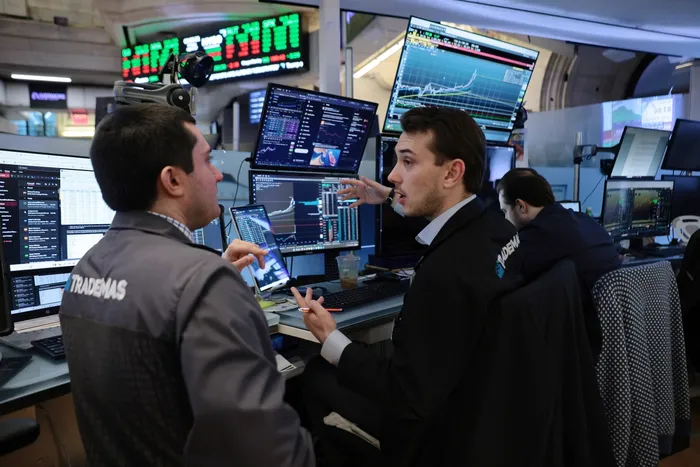
The markets hate uncertainty. Since the judge’s ruling dropped, Tegna’s stock has taken a hit, and Nexstar’s isn’t looking great either. Investors hate "deal limbo." If you’re holding these stocks, you have to ask yourself if the legal fees and the delay are worth the eventual payoff—if there even is one.
There’s also the risk of a "breakup fee." If the deal fails because of regulatory hurdles, Nexstar might owe Tegna hundreds of millions of dollars. That’s a lot of cash to set on fire for nothing. It’s a cautionary tale for any board of directors thinking about a mega-merger right now. The regulatory environment has changed, and the old playbook is useless.
What Happens in the Courtroom Now
The next step is a full trial. This won't be quick. Both sides will dig into internal emails, financial projections, and expert testimonies about market share. Nexstar will argue that they need the scale to compete with digital giants like Netflix and YouTube. They’ll say the "local broadcast market" is an outdated concept and that they're actually the underdogs in a world dominated by Big Tech.
The DOJ will counter that for local news and local advertising, there is no substitute for a TV station. You can't run a local mayoral race ad on Netflix. You can't get hyper-local weather alerts from a global streaming service. The court will have to decide which version of reality is true. Based on this injunction, the judge is leaning toward the DOJ’s view.
Don't Expect a Settlement Soon
Usually, companies try to settle these things by selling off a few stations in overlapping markets. But the DOJ’s current leadership has shown a deep dislike for these "behavioral remedies." They don't want a slightly smaller merger; they want to stop the merger entirely to send a message.
If Nexstar wants Tegna, they're going to have to fight for it in a way we haven't seen in decades. It’s going to be a long, expensive, and incredibly public battle. For anyone who cares about local media or the rising cost of living, this is the most important legal fight in the country.
Watch the FCC filings over the next three months. If you see Nexstar starting to lobby for a change in ownership rules at the commission level, you know they’re getting desperate in the courtroom. You should also keep an eye on cable provider earnings calls. If they start talking about "relief from rising content costs," it’s a direct result of this court case. The pressure is on. It's not just about two companies anymore; it's about whether the government still has the power to keep the biggest players in check. For now, the answer is a resounding yes.