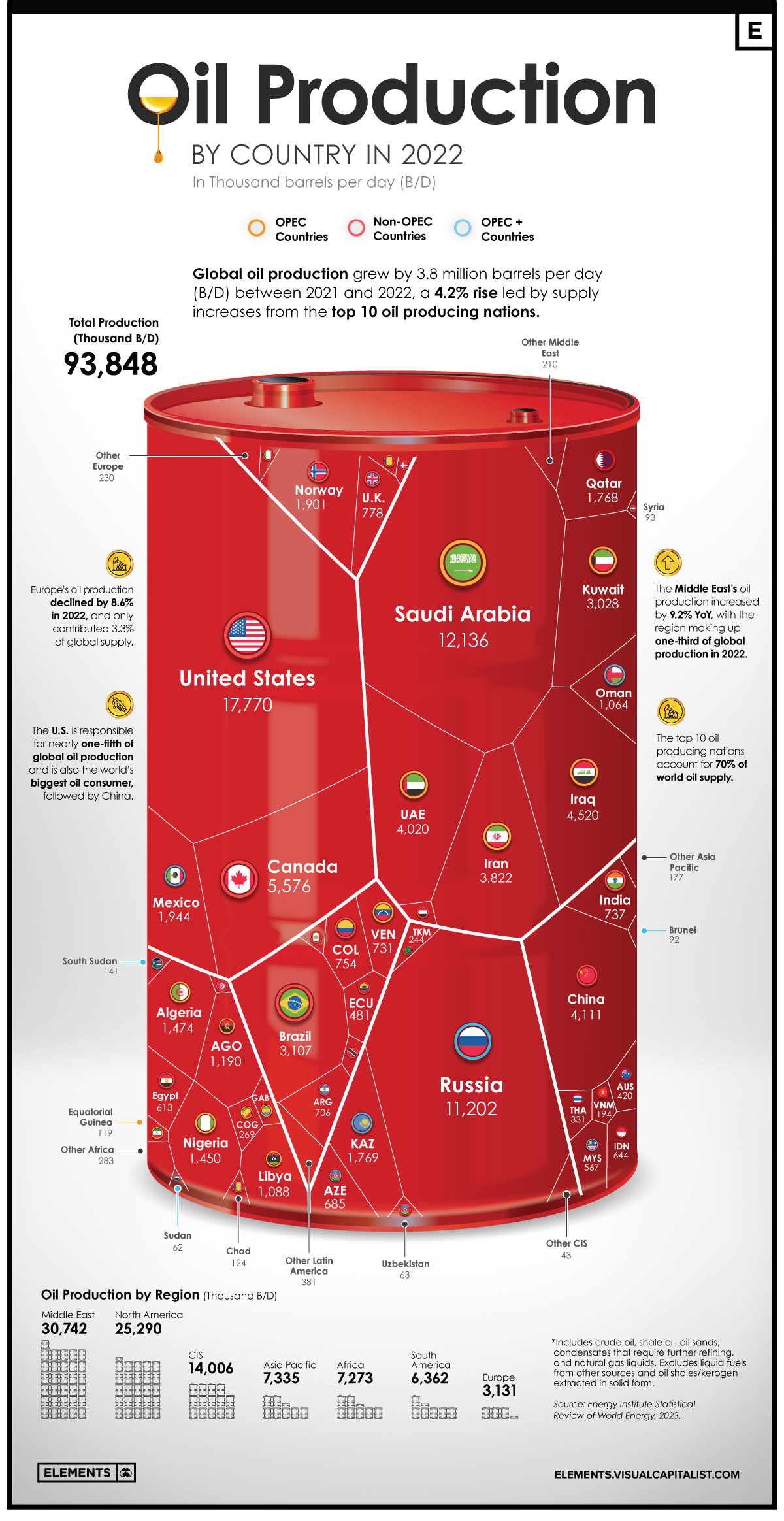
You've probably been staring at mortgage charts with a mix of dread and disbelief for the last month. When the conflict with Iran escalated and the Strait of Hormuz effectively closed, the "peace dividend" we were all enjoying in early 2026 evaporated overnight. Oil prices shot to $100 a barrel, inflation fears came roaring back, and mortgage lenders did what they always do in a crisis: they hit the panic button.
But the tide is turning. With the reopening of the Strait of Hormuz and a tentative ceasefire holding, the "war premium" that baked an extra percentage point into your potential monthly payment is melting away. If you've been waiting for a sign that the housing market isn't heading for a total deep freeze, this is it.
The Geopolitical Rollercoaster and Your Monthly Payment
Markets hate uncertainty more than they hate bad news. When the war broke out, the 10-year Treasury yield—the North Star for mortgage pricing—went on a tear. In the UK and US, we saw two-year fixed rates actually jump above five-year rates, a classic "inverted" signal that screams market stress.
Lenders like Santander, TSB, and Nationwide weren't just being difficult when they pulled hundreds of deals off the shelf in March. They were protecting themselves against an inflation spike that looked like it might spiral out of control. When energy prices rise, everything else follows, and the central banks have only one tool to fight that: higher interest rates.
But look at the data from the last 48 hours. Oil prices have dropped nearly 9%, retreating to pre-war levels. Investors are moving money back into bonds, which pushes yields down and allows banks to finally trim their margins. We're seeing lenders like Santander already slashing rates by up to 0.28 percentage points. It doesn't sound like much until you realize that on a £250,000 mortgage, that's roughly $1,200 back in your pocket every year.
Why the "Wait and See" Strategy Might Actually Work Now
I've spent years watching people try to time the bottom of the market, and usually, it's a fool's errand. But 2026 is different. The spike we saw in March was artificial—driven by a specific geopolitical shock rather than underlying economic rot.
Before the conflict, the consensus from heavyweights like Morgan Stanley was that we'd see rates settle between 5.50% and 5.75% by mid-year. We're getting back on that track. The "lock-in effect" that has kept homeowners from selling is still there, but as rates dip back toward the mid-5s, the math starts to change for people who have been sitting on the sidelines since 2024.
Don't expect a return to the 3% "glory days" anytime soon. That's a fantasy. What you should look for is stability. The fact that the Bank of England and the Fed held rates steady during the height of the conflict shows they're reluctant to choke the economy further. They're betting on this recovery, and you should too.
How to Play the Current Rate Dip
If you're looking to buy or remortgage in the next few months, don't just grab the first offer you see. The market is moving fast, and the "best" rate on Tuesday might be a relic by Friday.
- Lock in a rate now, but keep shopping. Most lenders allow you to secure a rate and then switch to a lower one if it becomes available before you close. It's a free insurance policy against another flare-up.
- Watch the 10-year Treasury yield like a hawk. If you see that number dipping, mortgage rates will follow within days. It’s the most reliable lead indicator you have.
- Ignore the "Trumpflation" headlines for a second. While political rhetoric is high, the actual cost of money is being driven by energy supply chains. Focus on the oil charts, not the cable news tickers.
The reality is that a more volatile world is a more expensive world. We've just lived through a month where 1,500 mortgage products vanished overnight. The fact that they're coming back—and at lower prices—is a massive win for anyone trying to navigate this mess.
Stop waiting for the "perfect" moment because it doesn't exist. Instead, look for the window where the panic subsides and the numbers start to make sense again. That window just cracked open.
Start by getting a fresh "Decision in Principle" from your broker today. The quotes you got three weeks ago are officially garbage. You need real-time numbers to see how much this recent dip actually saves you on a 25-year term. If the savings cover your groceries for a month, it's time to stop overthinking and start moving.