The air in Caracas smells like exhaust and old dreams. It is a city of dizzying contrasts, where the brutalist concrete of the 1970s oil boom stands choked by tropical vines and the weight of a decade-long economic collapse. For the family huddled around a flickering television in a barrio called Petare, the news coming out of Washington D.C. doesn’t sound like policy. It sounds like a ghost story.
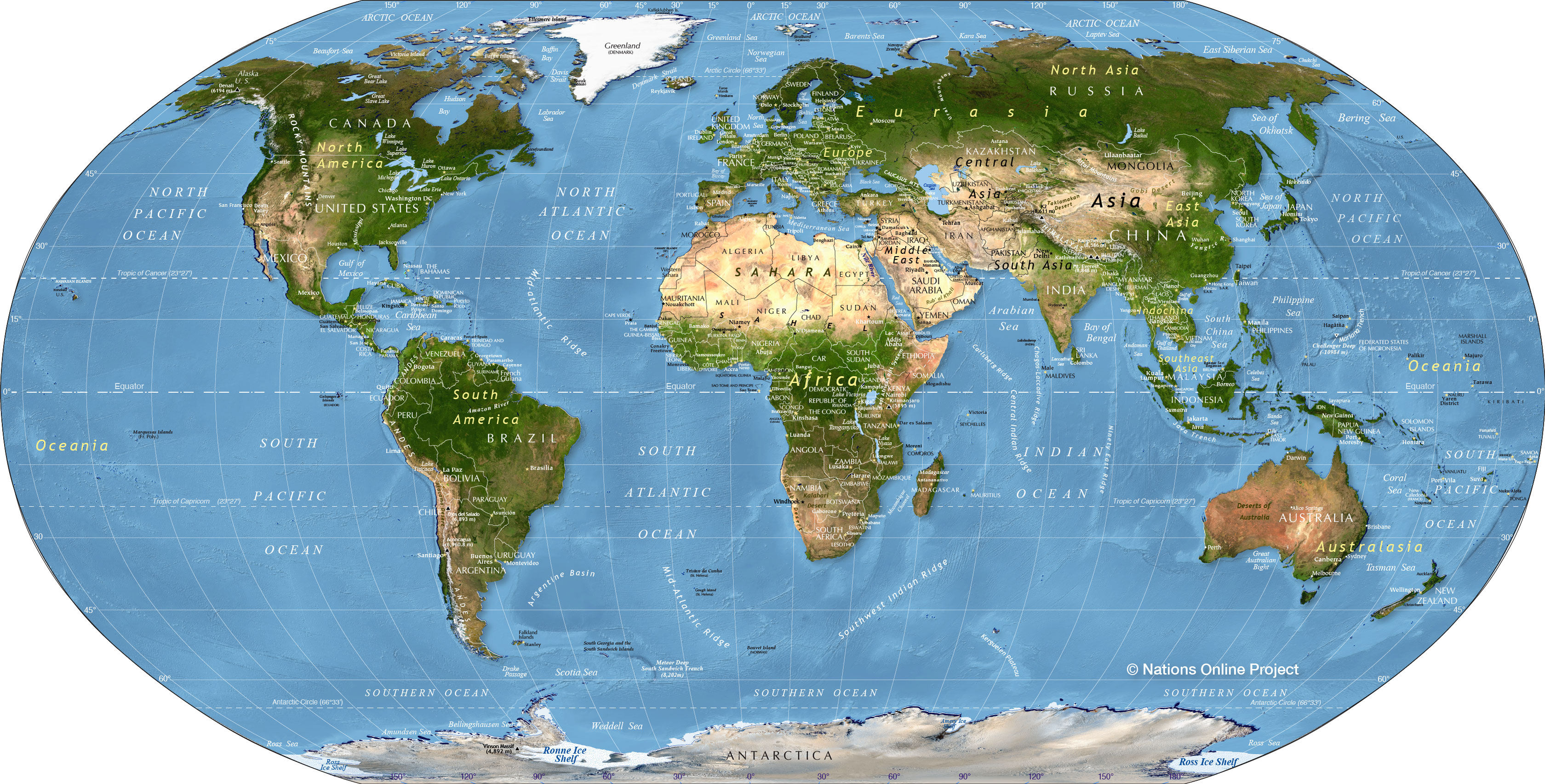
On the screen, a map of the Western Hemisphere is being redrawn. It isn’t the first time. First, there was the casual, almost breezy suggestion that Greenland—a massive, ice-covered autonomous territory of Denmark—should be purchased like a piece of distressed real estate. Then came the murmurs about Canada, or at least the resource-rich slices of it that share a border with the lower forty-eight. Now, the spotlight has swung south, fixing its intense, unyielding glare on Venezuela. You might also find this similar story useful: Structural Analysis of US Visa Restrictions on Indian Entities Linked to Synthetic Opioid Supply Chains.
The idea is being floated as the "51st State" solution. To a seasoned bureaucrat, it’s a geopolitical gambit involving oil reserves and regional hegemony. To the mother in Petare, it’s the possibility of her home becoming a footnote in a foreign empire’s ledger.
The Ledger of Ambition
We live in an era where the lines on the globe are no longer treated as permanent ink. They have become pencil marks, subject to the whims of a particular brand of American populism that views the world through the lens of an acquisition's manager. This isn't just about expansion; it’s about a fundamental shift in how a superpower perceives its neighbors. As discussed in recent articles by The Guardian, the results are worth noting.
In the old world, diplomacy was a slow, agonizing dance of treaties and summits. Today, it has been replaced by the logic of the hostile takeover. The logic is simple: if a territory is failing, or if it possesses something we need, why shouldn't it be ours?
Consider the sheer scale of what is being discussed. Venezuela sits atop the largest proven oil reserves on the planet. For decades, that wealth has been a curse, fueling corruption and inviting the kind of hyperinflation that turns a month’s wages into the price of a loaf of bread. The proposal to bring Venezuela into the American fold is sold as a rescue mission. Proponents argue that the American dollar, American law, and American infrastructure could snap the country out of its death spiral overnight.
But maps are not just paper and ink. They are made of blood, language, and memory.
The Greenland Precedent
To understand the gaze fixed on Venezuela, we have to look back at the icy reception of the Greenland proposal. At the time, the world laughed. It seemed like a joke, a relic of 19th-century Manifest Destiny shouted into a 21st-century microphone.
It wasn't a joke. It was a trial balloon.
The Arctic is melting, opening up new shipping lanes and revealing minerals that the green energy revolution craves. Greenland isn't just a big island; it’s a strategic fortress. When the offer to buy it was rebuffed, the conversation didn't die. It moved. It evolved. It taught the architects of this new expansionism that the public can be desensitized to the unthinkable if you repeat it often enough.
Canada followed a similar trajectory in the rhetoric of the fringe. While no one seriously expects the Maple Leaf to be replaced by the Stars and Stripes tomorrow, the constant questioning of Canadian sovereignty—especially regarding its energy exports and defense spending—serves a purpose. It softens the ground. It makes the idea of "integration" feel like an inevitability rather than an invasion.
Then comes the pivot to the South.
The Human Cost of High Stakes
Hypothetically, let’s look at a man named Carlos. Carlos is a teacher in Valencia. He remembers when his salary bought him a car; now, it barely buys him a tank of gas. He is tired. He is desperate. When he hears a powerful foreign leader talk about making Venezuela the 51st state, he doesn't think about sovereignty. He thinks about a grocery store with full shelves.
This is the emotional hook that makes the "51st State" narrative so dangerous and so effective. It preys on the failure of local institutions. It offers the "American Dream" not as an immigrant's journey, but as a bulk delivery.
The reality, however, is a tangled thicket of legal and cultural impossibilities. Integrating a nation of 28 million people with a vastly different legal system, a collapsed economy, and a history of fierce anti-imperialist sentiment isn't a merger. It’s a collision.
The "invisible stakes" here aren't just about oil barrels or gold mines. They are about the precedent of "stability via absorption." If the United States decides that any failing state in its hemisphere is a candidate for annexation, the very concept of the nation-state begins to dissolve. We return to a world of spheres of influence, where small countries exist only as long as they remain useful or orderly.
The Arithmetic of Empire
The math of adding a 51st state is staggering. Beyond the geopolitical fallout, there is the internal American ledger.
- Debt Assumption: Venezuela’s national debt is a labyrinth of defaulted bonds and murky loans to China and Russia.
- Infrastructure: Rebuilding the Venezuelan power grid alone would cost hundreds of billions of dollars.
- Political Balance: The addition of 28 million new citizens would fundamentally upend the American Electoral College and the makeup of Congress.
Why, then, does the rhetoric persist?
Because it plays well in the theater of the mind. It projects strength. It tells a story of a resurgent America that doesn't just lead the world but grows to encompass it. It’s a narrative of "fixing" the broken parts of the map.
But the people living on those broken parts of the map have their own voices. In Caracas, the conversation isn't about being saved. It's about being seen. There is a deep, agonizing pride in the Venezuelan identity—a culture of music, poetry, and resilience that doesn't necessarily want to be a star on someone else’s flag.
The tragedy of the "51st State" talk is that it ignores the people it claims to want to help. It treats a nation like a distressed asset in a bankruptcy court.
The Ghost in the Machine
The strategy of targeting Canada, Greenland, and now Venezuela reveals a pattern of thinking that prioritizes "land and loot" over "hearts and minds." It is a return to the mercantilist logic of centuries past, updated for a world of social media and 24-hour news cycles.
Every time a new territory is mentioned, the value of international norms drops a little lower. The idea that a country’s borders are sacrosanct becomes a "quaint" notion from a previous century. We are watching the slow-motion dismantling of the post-WWII order, replaced by a shopping list.
The real danger isn't that Venezuela will actually become a state next year. The danger is the normalization of the idea. When we start talking about sovereign nations as if they are property, we lose our ability to treat their citizens as equals. We start seeing them as tenants.
The View from the Border
Imagine standing on the bridge that connects Cúcuta, Colombia, to San Antonio del Táchira, Venezuela. You see thousands of people crossing every day, carrying their lives in battered suitcases. They are fleeing hunger, medicine shortages, and a government that has lost its way.
If you ask them if they want to be Americans, many would say yes. They want the safety, the stability, and the chance.
But if you ask them if they want their country to disappear, the answer changes.
The push for a 51st state is a siren song. It promises a shortcut to prosperity while hiding the cost of identity. It’s a narrative that appeals to the frustrated American voter who wants "results" and the desperate Venezuelan who wants "bread."
Underneath the bold headlines and the provocative speeches, there is a quiet, terrifying truth: the world is becoming a place where nothing is off-limits if you have enough leverage. The map is breathing. It is expanding and contracting, driven by the heat of ambition and the cold reality of resource scarcity.
The family in Petare turns off the television. The room is dark, save for a single candle. They don't know if they are the next "great acquisition" or just a talking point in a campaign three thousand miles away. They only know that tomorrow, they will wake up in a country that the rest of the world views as a prize to be won, rather than a place to be respected.
The ink on the map is still wet, and the hand holding the pen shows no sign of stopping.


