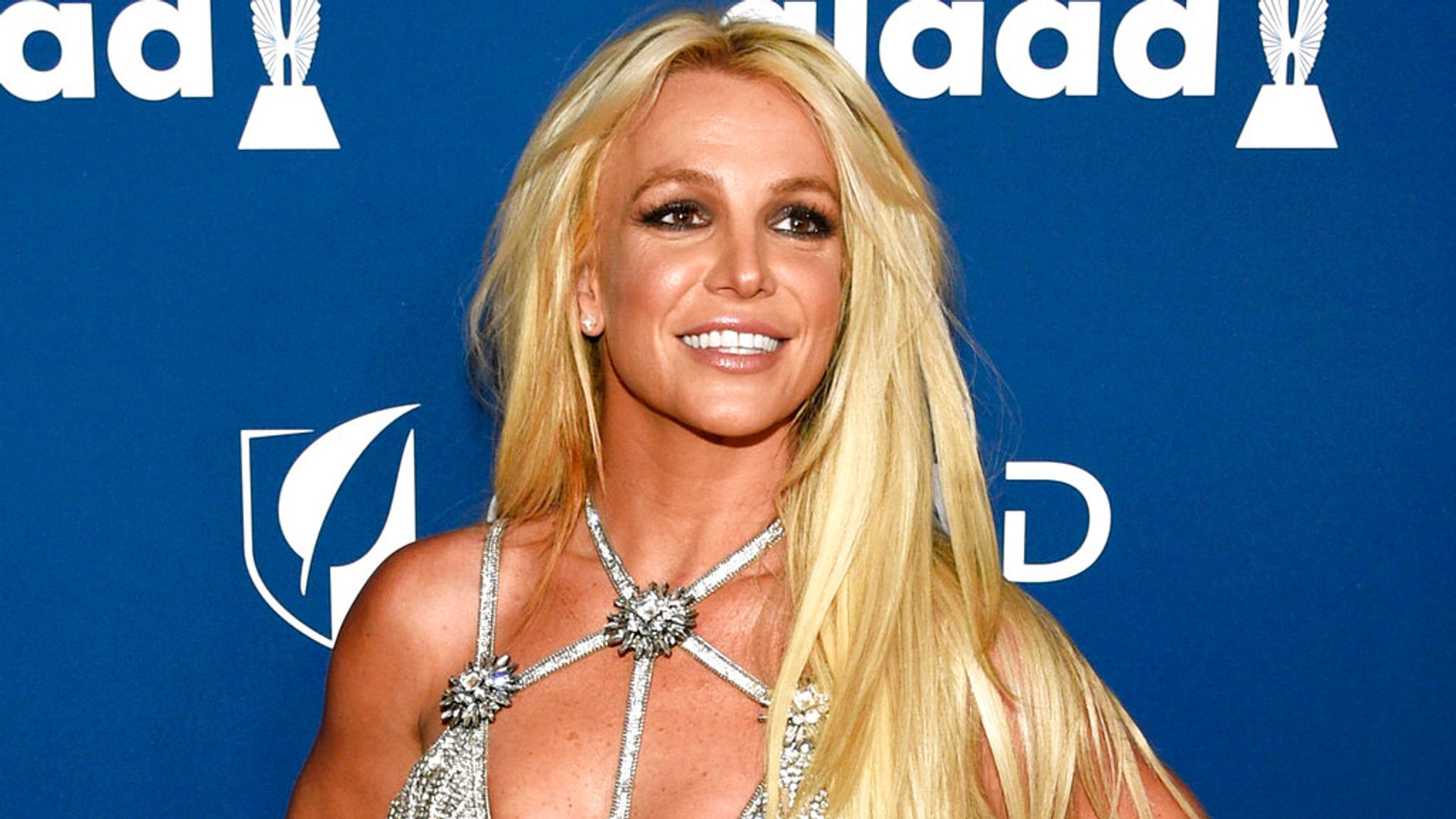
The intersection of celebrity brand equity and legal liability functions as a high-stakes risk management ecosystem where a single judicial filing acts as a catalyst for immediate value erosion. In the case of Britney Spears’ recent driving under influence (DUI) charges in California, the incident is not merely a tabloid event but a quantifiable breach of the "Personal Integrity Covenant" that governs high-value endorsement contracts and conservatorship-adjacent legal structures.
The mechanism of a DUI charge operates on three distinct levels of impact: statutory penalties, insurance premium escalation for professional indemnity, and the triggering of "Morals Clauses" in existing commercial agreements. By examining the California Vehicle Code and the logistical realities of high-profile litigation, we can map the exact trajectory of this legal development. Discover more on a connected topic: this related article.
The Statutory Framework of California Vehicle Code 23152
A DUI charge in California typically bifurcates into two specific counts under Vehicle Code Section 23152. Section (a) addresses the physical or mental impairment of the driver, while Section (b) addresses the objective measurement of blood alcohol content (BAC) at or above 0.08%. For a public figure, the legal strategy rarely focuses on the fine—which is often negligible relative to net worth—but rather on the mitigation of the "Habitual Offender" label.
California’s sentencing logic follows a "Progressive Severity Scale." Additional analysis by The New York Times explores comparable views on this issue.
- First Offense Mechanics: Includes three to five years of informal probation, mandatory enrollment in a licensed driving-under-the-influence program (AB 541), and potential license suspension.
- The 10-Year Washout Period: California law tracks DUI convictions over a ten-year rolling window. Any subsequent offense within this timeframe triggers mandatory jail time and enhanced penalties.
- The Chemical Refusal Variable: If a defendant refuses a breath or blood test at the time of the stop, the Department of Motor Vehicles (DMV) imposes an automatic one-year license revocation with no eligibility for a restricted permit, regardless of the court’s eventual verdict.
The Professional Indemnity and Logistics Bottleneck
The immediate consequence of a DUI charge for a performer is not the courtroom appearance, but the collapse of the "Insurable Risk Profile." Any major film production or residency requires the principal talent to be covered by "Cast Insurance."
Insurance underwriters assess risk based on actuarial tables. A pending DUI charge transforms a celebrity from a "Standard Risk" to an "Exclusionary Risk." This creates a bottleneck in two specific areas:
- Completion Bonds: Bonding companies may refuse to guarantee a project if the lead talent faces potential incarceration or restricted movement, effectively halting the greenlight process for new ventures.
- Venue Liability: For live performances, the cost of general liability insurance for the venue increases if the headliner has a documented history of substance-related legal issues, as this introduces "Foreseeable Risk" into the premium calculation.
Morals Clauses and the Termination Trigger
Modern celebrity contracts contain sophisticated "Morals Clauses" that allow a brand or studio to terminate an agreement if the individual engages in conduct that brings them into public disrepute, contempt, or scandal. Unlike a criminal trial where the standard is "beyond a reasonable doubt," the threshold for a brand to trigger a Morals Clause is often "reasonable belief" or the mere fact of an arrest.
The loss of revenue following a DUI charge is rarely a direct result of the legal fine. Instead, it is the result of the "Contractual Termination Chain." When a primary sponsor exits, it signals a lack of confidence to secondary and tertiary partners. This creates a feedback loop where the celebrity’s market rate drops because they are no longer viewed as a safe vessel for corporate messaging.
The Impact on Post-Conservatorship Autonomy
In the specific context of Britney Spears, this legal development intersects with the "Autonomy Risk Assessment" established after the termination of her long-term conservatorship. Legal observers and stakeholders monitor these filings as indicators of "Self-Governance Stability."
A criminal charge provides a procedural opening for interested parties to argue for renewed oversight. In the California probate system, the transition from a criminal court (DUI) to a civil or probate court (Conservatorship/Guardianship) is a documented pathway. The criminal record serves as "Exhibit A" in any petition regarding an individual's inability to provide for their own personal safety or the safety of the public.
The Evidentiary Weight of Law Enforcement Protocols
The prosecution’s case relies on a standardized "DUI Investigation Sequence." Understanding this sequence is vital for predicting the outcome of the litigation.
- Phase 1: Vehicle in Motion: The initial observation of "Probable Cause" (swerving, speed fluctuations).
- Phase 2: Personal Contact: The officer’s observation of physical symptoms (slurred speech, odor of alcohol).
- Phase 3: Pre-arrest Screening: The Field Sobriety Tests (FSTs) and Preliminary Alcohol Screening (PAS).
For a high-profile defendant, the defense strategy typically focuses on "Environmental Contamination." This involves arguing that the presence of paparazzi, flashing lights, or aggressive fan intervention created a stressful environment that skewed the results of physical coordination tests. However, chemical evidence (blood or breath) remains the "Gold Standard" of evidence that is difficult to circumvent without proving a breach in the "Chain of Custody" or "Machine Calibration Records."
Strategic Defense and Brand Rehabilitation
The tactical move for a celebrity legal team in this position is "Pre-emptive Mitigation." This involves enrolling the client in voluntary rehabilitation or alcohol education programs before a court order is issued. By demonstrating proactive compliance, the defense can often negotiate a "Plea Down" to a lesser charge, such as "Wet Reckless" (California Vehicle Code 23103.5).
While a "Wet Reckless" still counts as a prior DUI conviction for future offenses, it carries less social stigma and may avoid the mandatory license suspension associated with a full DUI conviction. This distinction is critical for maintaining the "Brand Viability" required for ongoing commercial engagements.
The final strategic play requires an immediate decoupling of the "Artist Identity" from the "Legal Entity." The management team must shift the narrative from a behavioral failure to a procedural resolution. This is achieved by minimizing public statements, allowing the legal counsel to lead all communications, and securing a "Fast-Track" resolution that avoids a protracted trial during the peak of the news cycle. Success is measured not by an acquittal—which is rare in California DUI cases with chemical evidence—but by the speed at which the incident is moved from the "Active Legal Threat" column to the "Historical Incident" column.