If you rely on SNAP benefits, things at the grocery store might look different this month. Headlines about new guidelines and restricted purchases are hitting social media and local news, leaving many people confused about what they can actually buy. The short version? The rules are shifting, and fast.
This isn't a single, overnight federal ban that changed the law for everyone everywhere. Instead, it’s a state-by-state wave. Led by the "Make America Healthy Again" initiative—a project championed by Health and Human Services Secretary Robert F. Kennedy Jr.—the goal is to restrict taxpayer-funded SNAP dollars from being used on items deemed "unhealthy."
The administration argues that the federal government shouldn't subsidize the purchase of products linked to the chronic disease epidemic. If you're living in one of the states that has secured a waiver from the USDA, your EBT card won't work for certain items at the checkout lane.
What Is Actually Changing
The core of this policy is an attempt to redefine what qualifies as "food" under the SNAP program. Proponents of the move want to prioritize nutrient-dense items. In practice, this means several states have started blocking specific categories of purchases.
If you are in a state that has implemented these waivers—and as of April 2026, about 22 states are involved in this push—you should expect restrictions on:
- Sugary drinks: This includes sodas, energy drinks, and certain sweetened beverages.
- Candy: Most standard confectionary items are now off-limits.
- Ultra-processed desserts: Think pre-packaged cakes, snack pies, and items that have been flagged as purely non-nutritional.
The situation is fluid. A state might ban one brand of soda while another remains on the shelf. Some sports drinks, mineral waters, or fruit-based juices (if they meet specific sugar content thresholds) might still pass the register. It’s a messy rollout. Check your state's specific Department of Children and Families or SNAP portal, because the list of approved and banned items varies by jurisdiction.
The Argument For The Change
RFK Jr. and his allies make a straightforward case. They view the current system as a contributor to the nation’s health crisis. The argument is that SNAP is a "supplemental nutrition" program. From their perspective, spending hundreds of millions of dollars on soda and junk food is a misuse of public funds that ultimately feeds into the healthcare system later on.
They point to rising rates of diabetes, obesity, and heart disease. The strategy is to use the massive leverage of federal grocery dollars to nudge the market. By effectively removing the federal subsidy for junk food, they hope to force families toward whole foods—fruits, vegetables, proteins, and grains.
The Reality On The Ground
Critics, including food policy experts and welfare advocates, offer a sharp rebuttal. Their concern is practical, not ideological. They argue that this policy ignores the day-to-day reality of low-income families.
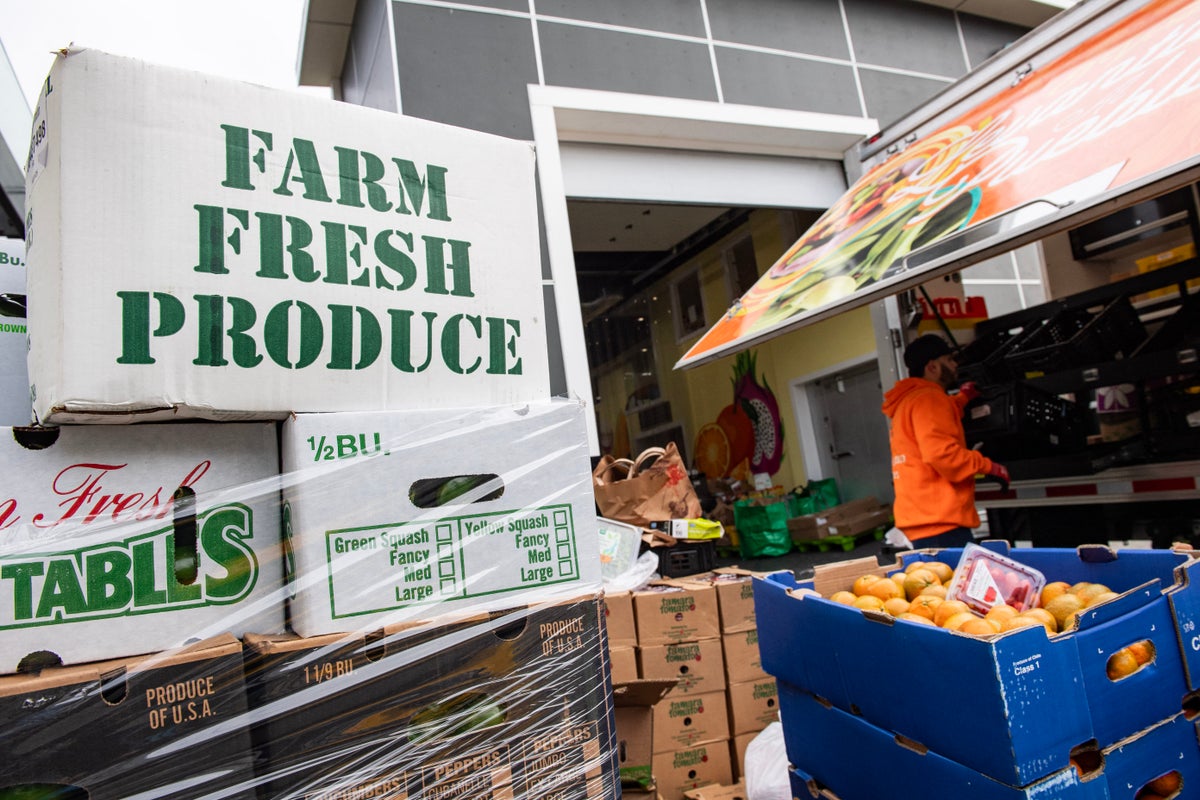
Healthy food is expensive. That is a fact. Fresh produce spoils quickly, and organic or high-quality ingredients often carry a price tag that puts them out of reach for someone on a tight budget. When you live in a food desert, your options at the local convenience store are limited. If you can't buy a cheap, shelf-stable snack to tide your kids over, what are you supposed to buy instead?
Many recipients are worried that this creates a two-tiered shopping system. It treats SNAP users as if they need permission to make choices, rather than addressing the root cause: the need for higher benefit amounts that actually cover the cost of a healthy diet. Advocates emphasize that restricting choices without simultaneously lowering the cost of healthy food is simply setting people up to fail.
How To Protect Your Budget
If you are a SNAP recipient, don't wait to find out your card has been declined at the register. The rules are active in many states already, and more are coming online.
- Check your state portal: Don't rely on hearsay or old Facebook posts. Visit the official website for your state's social services or SNAP program. They usually have a "What's New" or "Policy Updates" section that lists exactly what is excluded.
- Test your cart: If you have a regular shopping trip, be mindful. If you are shopping for a special occasion or buying items you usually rely on, double-check that they haven't been reclassified.
- Watch for substitution: Look for store brands or items that might qualify where name brands don't. Sometimes, the rules are based on specific product codes.
- Budget differently: If a staple you usually buy is no longer covered, you might need to reallocate your cash reserves or find a different, compliant alternative.
The push to link SNAP to nutrition is not going away. Whether you agree with the intent or fear the consequences, the strategy is clearly gaining momentum. Pay attention to local news, keep your receipts, and be ready to adapt to the new guidelines as they settle into place. This is a significant shift in how federal assistance works, and it will likely be a long time before the dust settles.