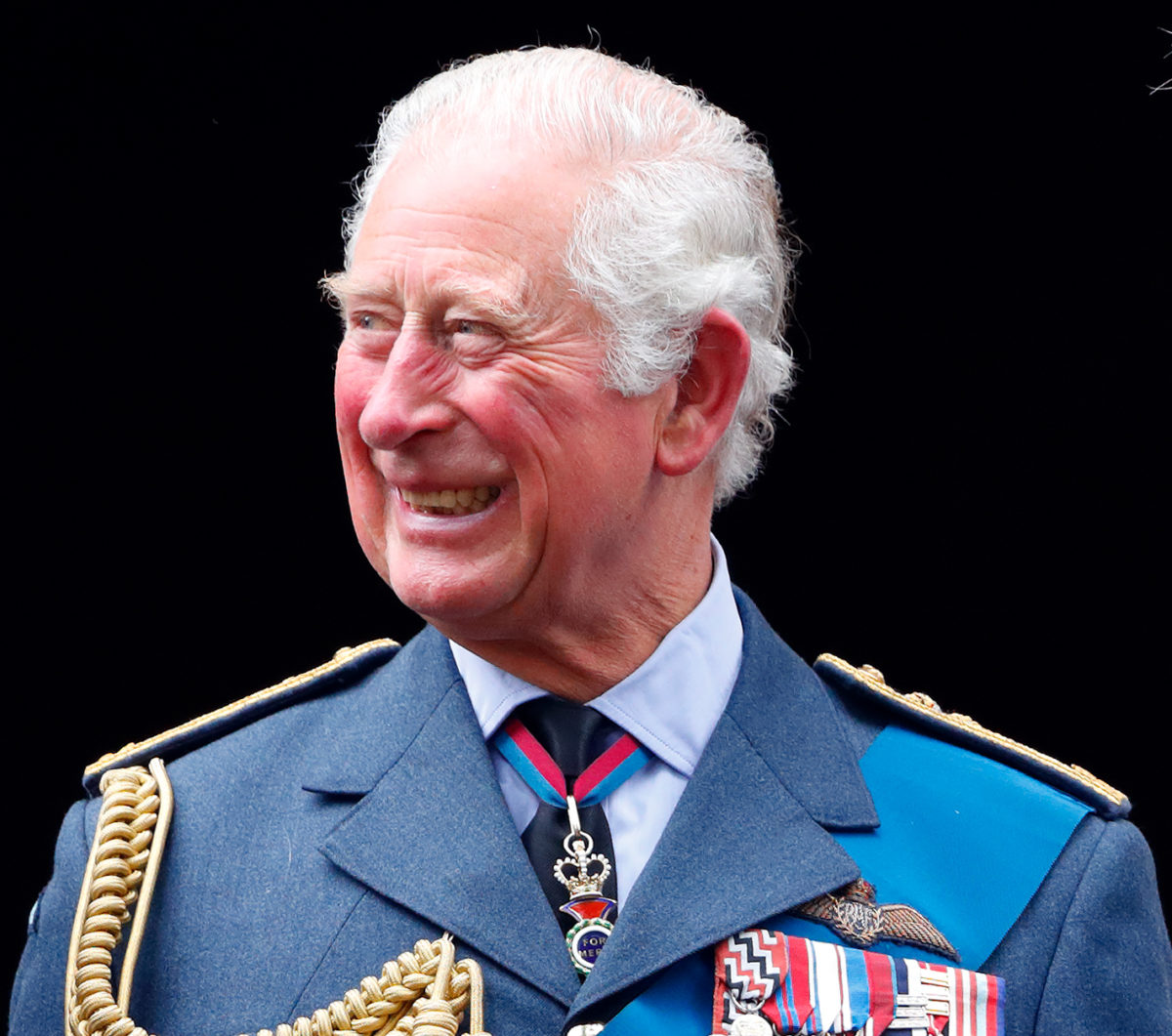
King Charles III just stepped into the U.S. Capitol to address a joint session of Congress, and it's not just a fancy photo op with crowns and maces. It’s the first time a British monarch has done this since his mother, Queen Elizabeth II, walked these halls in 1991. You might think a royal visit is all about tea and pomp, but this one is happening while the "Special Relationship" feels like it’s being held together by Scotch tape and nostalgia.
The timing is incredible. America is currently celebrating its 250th anniversary of independence from, well, the British Crown. Watching a King of England stand where lawmakers once debated breaking away from his ancestor, George III, is a bit of a head-trip. But beyond the history, there’s a massive amount of tension in the air. Building on this idea, you can also read: The Geopolitical Calculus of Iranian Shuttle Diplomacy Assessing the Araghchi Doctrine.
The High Stakes of a Royal Visit
The U.S. and the UK aren't exactly seeing eye-to-eye lately. President Trump has been vocal about his frustrations with the British government under Prime Minister Keir Starmer. Between disagreements over the war with Iran and disparaging remarks about the Royal Navy's capabilities, the diplomatic vibes are shaky.
When Charles took the podium today, he wasn't there to talk policy—he's a constitutional monarch, so he's strictly apolitical. He’s there to do what the British monarchy does best: act as the ultimate soft-power weapon. He spoke about "shared democratic traditions" and the "unbreakable bond" that stretches back to the Magna Carta. It's a reminder that even when the politicians are bickering, the two nations are culturally and historically inseparable. Observers at BBC News have shared their thoughts on this situation.
Real Friction Behind the Pomp
Don't let the 21-gun salutes and the White House state dinner fool you. There are some serious issues causing friction.
- Trade Wars: The UK is currently trying to navigate the "Economic Prosperity Deal" and various technology agreements that are under pressure. Recent tariffs from the U.S. have hit British exporters hard.
- Security Clashes: The UK has been hesitant to commit the level of military support Trump has demanded for the ongoing conflict in Iran, leading to some very public "toy ship" insults from the Oval Office.
- The Cost of Healthcare: A new pharmaceutical arrangement is forcing the NHS to pay 25% more for new medicines starting this month. That’s a tough pill for the British public to swallow.
Why Charles is the Only One Who Can Do This
Politicians come and go. Starmer and Trump might not get along, but the Crown represents something permanent. That’s why Speaker Mike Johnson invited the King. It’s a way to hit the reset button without anyone having to admit they were wrong.
Charles has a history with the U.S. that goes back decades. He’s visited dozens of times as Prince of Wales. He knows the players. Even though he has to stay out of the mud of partisan politics, his presence reminds everyone in that room that the UK is still America’s most reliable ally in the long run.
Honestly, it’s a bit of a gamble. Some British MPs wanted the trip cancelled because of the geopolitical climate. But the King’s "heavy lifting" is basically to be the adult in the room while the leaders of the two countries figure out how to work together again.
What Happens Next
The King and Queen Camilla aren't done yet. They’re heading to New York to visit the 9/11 Memorial and then down to Virginia for more 250th-anniversary celebrations. If you're following the diplomatic fallout, here’s what to watch for:
- The State Dinner Outcomes: Watch the guest list and the "off-camera" comments. These events are where the real networking happens.
- Trade Negotiations: See if the tone of the House of Commons Business and Trade Committee changes after this visit.
- Military Cooperation: Keep an eye on whether the "Special Relationship" gets a boost in the next defense spending review.
The royals are essentially the UK’s most effective lobbyists. If Charles can charm a skeptical Congress and a transactional White House, he might just have saved the most important alliance in the Western world. If you want to see how the "Special Relationship" actually functions, stop looking at the tweets and start looking at the ceremonies.