New Zealand’s naval fleet is aging out, and Wellington is finally moving to replace its two Anzac-class frigates with a more capable, survivable surface combatant. While traditional partners in the United Kingdom and Australia expected a layup, Japan’s Mogami-class frigate has emerged as the frontrunner. This shift is not just about hull design or price points. It represents a fundamental realignment of Pacific security interests and a recognition that the Japanese defense industry has cracked the code on high-tech, lean-crewed warships that smaller nations can actually afford to operate.
The Mogami-class, built by Mitsubishi Heavy Industries (MHI), is winning because it addresses the two most crippling problems facing the Royal New Zealand Navy (RNZN): a chronic shortage of personnel and a limited budget that must cover vast, unforgiving maritime territories.
The Workforce Crisis Dictates the Design
For years, the RNZN has struggled with "personnel churn." Ships have sat idle at the wharf because there simply aren't enough qualified sailors to take them to sea. Japan faced this exact demographic wall a decade ago. The Mogami was born from that desperation.
While a comparable British Type 26 or an Australian Hunter-class frigate requires a crew of roughly 150 to 160 to function at peak capacity, the Mogami-class operates with just 90 personnel. This is achieved through an unprecedented level of automation and a centralized "augmented reality" circular bridge. Everything from engine monitoring to damage control is handled by software layers that reduce the need for bodies in every compartment. For New Zealand, choosing the Mogami is a pragmatic admission that they cannot recruit their way out of their current fleet readiness crisis. They need a ship that does more with fewer people.
Stealth and the New Pacific Threat Profile
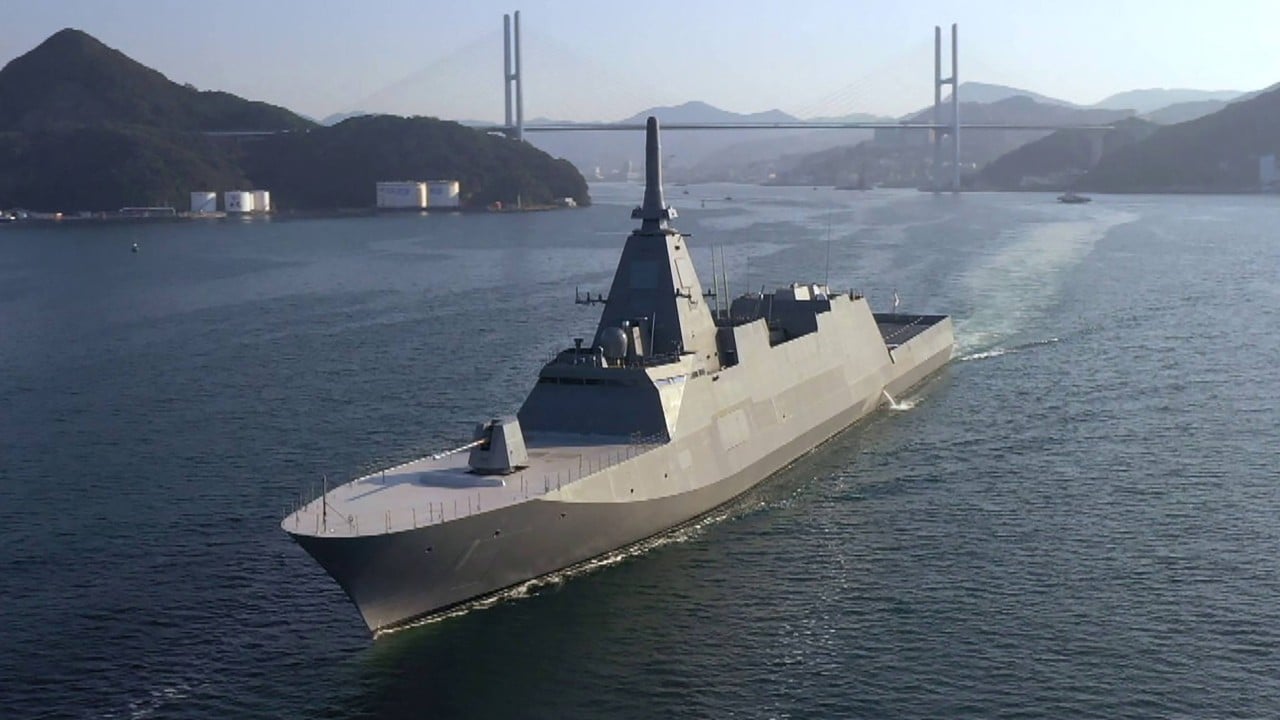
The Pacific is no longer a quiet backyard. The rise of long-range anti-ship cruise missiles and sophisticated electronic warfare has changed the math for small navies. The Mogami-class is built with a flush, integrated mast and a smooth hull form that significantly reduces its radar cross-section. It looks like a ghost on a screen.
Unlike the older Anzac frigates, which were essentially utility ships with some teeth, the Mogami is a multi-mission predator. It features a vertical launching system (VLS) capable of carrying a mix of anti-air and anti-submarine missiles. Perhaps more importantly for New Zealand’s specific needs, it has a massive internal "mission bay" at the stern. This allows the ship to deploy autonomous underwater vehicles (AUVs) and sea mines without cluttering the deck. It is a modular Swiss Army knife designed for a world where the threats change faster than the procurement cycles.
Breaking the Five Eyes Procurement Habit
Historically, New Zealand looked to the UK or Australia for its big-ticket military hardware. That habit is dying. The Australian Hunter-class program has been plagued by massive cost overruns and weight gains that have made the ships sluggish and prohibitively expensive. The British Type 31 is a solid budget option, but it lacks the advanced sensor integration that the Japanese are offering.
Tokyo has been aggressive in its pitch. They aren't just selling a ship; they are offering a strategic partnership. Japan’s move to loosen its self-imposed arms export bans has allowed MHI to compete on price with a ferocity that has caught European shipbuilders off guard. The Mogami is priced at roughly $500 million to $600 million per unit, depending on the configuration. In the world of modern naval procurement, that is an absolute steal for a 5,500-ton frigate.
The Reliability of the Japanese Supply Chain
Wellington is weary of the "defense inflation" that comes with Western projects. When a ship is built in the UK or US, parts and maintenance often come with a massive markup and a long wait time. Japan, situated much closer to New Zealand geographically, offers a more streamlined logistics chain.
The Mogami-class uses a Combined Diesel and Gas (CODAG) propulsion system featuring the Rolls-Royce MT30 gas turbine. This provides a top speed in excess of 30 knots, which is vital for responding to incidents in New Zealand’s massive Exclusive Economic Zone (EEZ), which stretches from the tropics to the sub-Antarctic. The ship is fast, it’s fuel-efficient, and it’s built by a nation that treats industrial precision as a matter of national honor.
Sovereignty and the Data Link
The real sticking point in any modern naval deal is data. Who owns the software? Who can see the sensor feeds? Japan has been surprisingly open about allowing New Zealand to integrate its own communications and tactical data links. This ensures that while the ship is Japanese-built, it remains fully interoperable with New Zealand’s traditional allies in the Five Eyes intelligence-sharing network.
There is a cynical view that New Zealand is buying Japanese to save money. That misses the point. They are buying Japanese because Tokyo is currently the only capital building a warship that fits the reality of a mid-sized power. The Mogami isn't a compromise; it’s a correction.
The Geopolitical Signal
By selecting a Japanese design, New Zealand sends a clear message to Beijing. It signals a deepening of the "middle power" alliance between nations that are wary of Chinese expansionism but don't want to be entirely dependent on Washington’s erratic political swings. It tethers Wellington to the most advanced industrial economy in Asia.
The RNZN needs to replace its fleet by the early 2030s. If they stick with the status quo, they risk ending up with ships they can’t afford to man and can't afford to lose. The Mogami-class offers a way out of that trap. It is a high-tech gamble that looks increasingly like the only safe bet on the board.
New Zealand must now decide if it has the political will to finalize the deal and move away from its traditional Anglo-centric procurement model. The ships are ready. The tech is proven. The crew requirements are low. The only thing left is for Wellington to sign the check before the regional security situation deteriorates further.