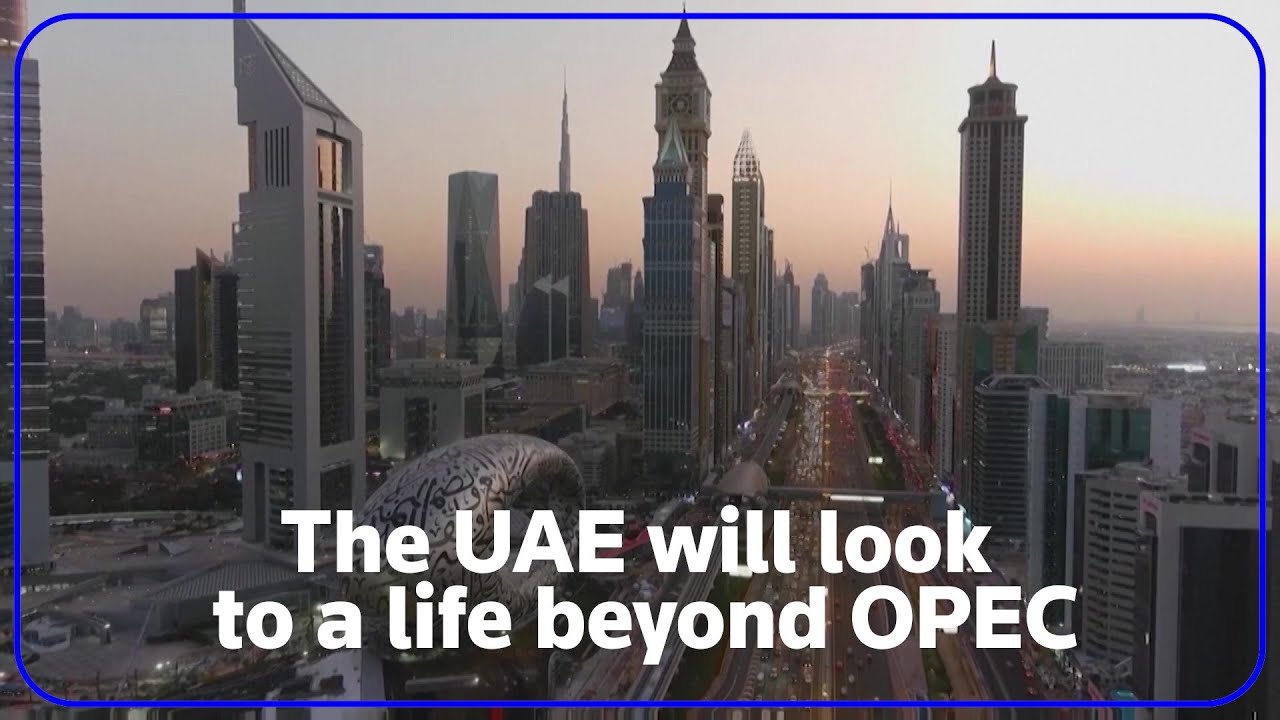
The Gulf Cooperation Council (GCC) is currently executing the most significant physical and economic integration since the discovery of oil. While headlines often focus on shimmering skyscrapers or futuristic city-states, the real shift is happening underground and across the desert floor. Six nations—Saudi Arabia, the UAE, Qatar, Kuwait, Bahrain, and Oman—are moving to lock their economies together through five massive infrastructure projects that serve as a hedge against a post-oil future. These initiatives, ranging from the GCC Railway to a unified power grid, represent a desperate but calculated attempt to build a self-sustaining regional trade bloc that can survive global energy shifts.
For decades, these borders were lines in the sand, often contested and rarely crossed by rail or pipe. Now, the necessity of survival has overruled old rivalries. The primary goal is simple. They must reduce the cost of moving goods and electrons across the peninsula to compete with emerging markets in Asia and established powers in the West. If they fail to integrate, they remain six individual economies vulnerable to market shocks. If they succeed, they become a singular, industrial titan. Don't forget to check out our earlier article on this related article.
The GCC Railway and the Death of Port Dominance
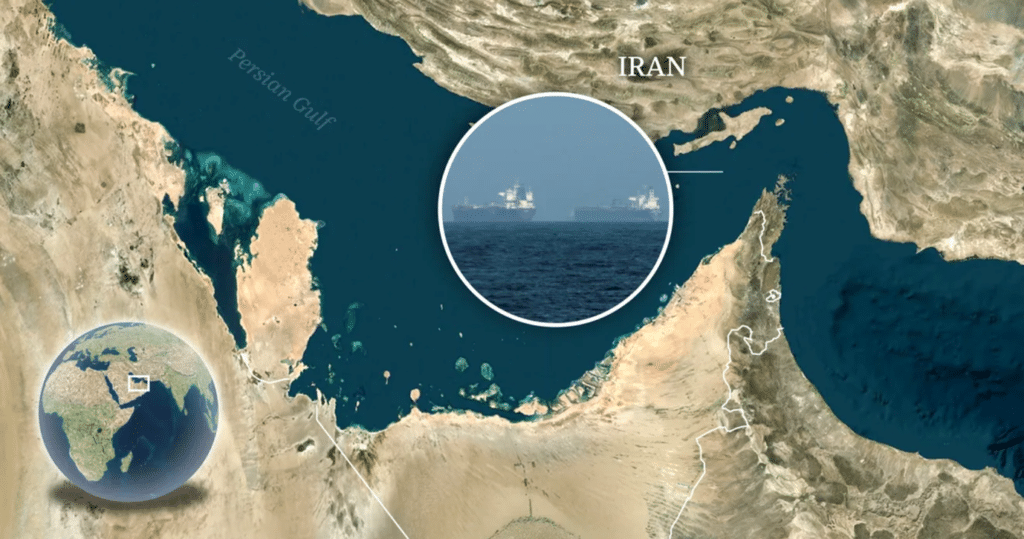
The 2,177-kilometer GCC Railway is the centerpiece of this regional overhaul. It is not a passenger luxury; it is a logistical weapon. For years, shipping companies have been at the mercy of the Strait of Hormuz, a narrow chasm where geopolitical tensions can instantly spike insurance premiums and delay cargo. By connecting Kuwait City in the north to Muscat in the south, the railway bypasses these maritime chokepoints.
This project fundamentally alters the value proposition of regional ports. Jebel Ali in Dubai has long been the undisputed king of Gulf logistics, but the railway decentralizes that power. When a container can land in Oman and reach a warehouse in Riyadh via rail in a fraction of the time it takes to sail around the peninsula, the entire map of Middle Eastern commerce changes. The technical hurdles remain immense. Standardizing track gauges and signaling systems across six different sovereign entities is a bureaucratic nightmare. Yet, the pressure to diversify away from oil has finally provided the political will to force these nations to the table. To read more about the background of this, Business Insider provides an excellent summary.
A Unified Power Grid to Save the Desert
Electricity in the Gulf is a matter of life and death. During the summer months, air conditioning demand pushes national grids to their absolute breaking point. Historically, each nation managed its own surplus and deficit, often resulting in massive waste or localized blackouts. The GCC Interconnection Authority (GCCIA) has changed this by creating a physical bridge between the power systems of all six members.
The logic is grounded in pure mathematics. Peak demand hits different countries at slightly different times. By sharing a pool of energy, the GCC nations have already saved billions in avoided construction costs for new power plants. This grid is now expanding its reach, looking toward Iraq and eventually Europe. The vision is to transform the Gulf from a region that exports crude oil in tankers to one that exports renewable electrons via high-voltage cables. Saudi Arabia’s massive investment in solar and the UAE’s nuclear program are no longer isolated national projects; they are the fuel for a regional energy market.
The Dolphin Gas Project and the Qatar Dilemma
Energy integration is never purely technical. The Dolphin Gas Project, which pipes natural gas from Qatar to the UAE and Oman, is a testament to the fact that economic reality usually beats political posturing. Even during the years of the diplomatic blockade against Qatar, the gas never stopped flowing. The UAE needed the fuel to keep its lights on, and Qatar needed the revenue.
This pipeline is the backbone of the region’s industrial sector. Without it, the desalination plants that provide the Gulf’s drinking water would struggle to function. It serves as a reminder that these strategic projects create a "mutual assured destruction" for economies. When your water, power, and transport are tied to your neighbor, the cost of conflict becomes too high to pay. The next phase involves expanding this network to include more "non-associated" gas fields, ensuring that industrial manufacturing in the Gulf isn’t tethered to the fluctuating production of oil.
The King Hamad Causeway and the End of Bahraini Isolation
The existing King Fahd Causeway is one of the busiest land crossings in the world, a vital artery connecting Bahrain to the Saudi mainland. It is also a bottleneck. The proposed King Hamad Causeway is a multi-billion dollar solution that will run parallel to the old bridge but with one critical addition: a railway track.
This is the missing link for the GCC Railway. By bringing Bahrain into the rail network, the project ensures that the island nation isn't left behind as a boutique financial hub while its neighbors build industrial empires. For Saudi Arabia, it provides a secondary outlet for its eastern province’s products. The engineering required to sink pylons into the shallow, salty waters of the Gulf while managing the intense heat and corrosion is a feat of modern construction. It represents the physical manifestation of the "Vision 2030" goals—moving from a collection of states to a unified economic zone.
Water Security and the Shared Desalination Future
While rail and power get the glory, water is the true currency of the Gulf. The region is the world leader in desalination, but the process is energy-intensive and produces a brine that threatens the local marine ecosystem. Strategic cooperation is moving toward shared water security projects, including massive inland reservoirs and interconnected water lines that allow one country to support another during a plant failure.
A failure in a major desalination plant in Kuwait could trigger a humanitarian crisis within 48 hours. By linking water networks, these states are building a regional life-support system. They are also researching joint ventures in "green" desalination, using solar power to strip salt from sea water. This isn't about environmental altruism. It is about reducing the "internal melt" of their own resources. Every barrel of oil burned to create water is a barrel that cannot be sold on the international market.
The Hidden Cost of Interdependence
There is no such thing as a free lunch in geopolitics. While these five projects promise stability and growth, they also strip away national autonomy. When your railway relies on your neighbor’s signaling system and your AC runs on your neighbor’s gas, you lose the ability to act entirely alone. This is the trade-off the GCC has finally accepted. The era of the solitary petro-state is ending.
The technical challenges—extreme heat, shifting sands, and corrosive salt air—are secondary to the political ones. To make a unified railway or power grid work, you need unified customs, unified regulations, and a unified vision of the future. The infrastructure is being laid, but the legislative framework is still catching up. These projects are the "hard" assets of a new Middle East, but they require "soft" diplomacy to function.
The sheer scale of capital being deployed is staggering. We are looking at hundreds of billions of dollars in sunk costs. If these projects fail to generate the promised industrial boom, the debt loads could crush the smaller members of the council. However, the alternative—stagnation while the world moves toward electric vehicles and renewable energy—is far more dangerous.
Investors should stop looking at the Gulf as a collection of oil wells and start viewing it as a massive construction site for a 21st-century trade corridor. The value isn't just in what is under the ground anymore; it's in how quickly and efficiently they can move things across it. The desert is being wired, piped, and railed into a singular machine.
Check the progress of the Etihad Rail expansion in the UAE as the most immediate barometer for the success of the broader GCC network.