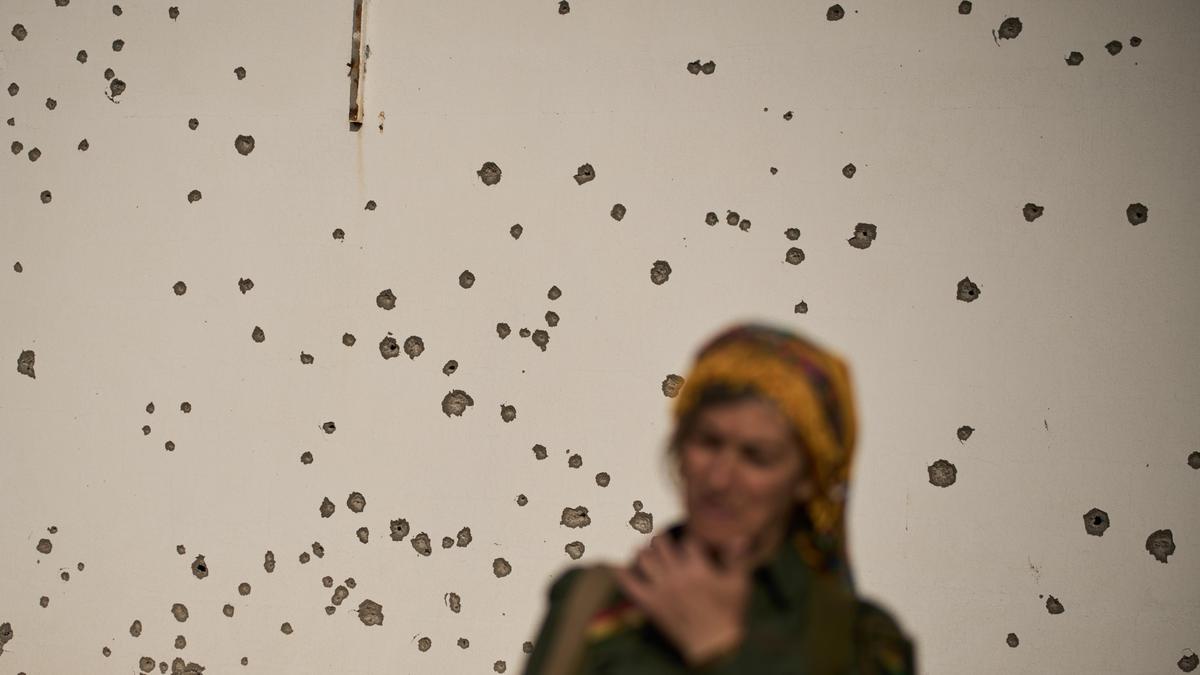
The map of the Middle East is shifting, and Erbil is sitting right in the crosshairs. If you've been watching the news, you've seen the headlines about drone strikes and ballistic missiles hitting northern Iraq. Most people think these are just random outbursts of violence. They aren't. Iraq’s Kurdistan is becoming the new frontline in a widening Iran war, and the implications for global energy and regional stability are massive.
This isn't just about local skirmishes. It's about a sophisticated strategy to squeeze Western influence out of the region by hitting the one place that has tried to remain a pro-Western bulwark. The Kurdistan Region of Iraq (KRI) used to be seen as a "safe haven." Now, it's a target practice range for regional powers.
The Strategy Behind the Scrutiny
Tehran isn't just lashing out. Every strike on Erbil serves a specific purpose. You have to look at the geography to understand why this is happening now. Kurdistan sits at a vital junction. It borders Iran, Turkey, and Syria. It has its own oil pipelines—or at least it did until political and legal battles stalled them.
For the Iranian government, a strong, independent-leaning Kurdistan is a threat. They see it as a base for Israeli intelligence and a foothold for American troops. Whether or not every accusation of a "Mossad base" is true (and most evidence suggests these are convenient excuses for domestic consumption), the result is the same. Missiles fly. People die. The message is sent.
The shift in tactics is clear. Instead of just using local proxies to stir up trouble in Baghdad, there is a directness to the aggression now. By hitting Erbil directly, Iran is telling the world that the U.S. umbrella isn't as waterproof as it used to be. It’s a bold move that tests the limits of international patience.
Oil and Economic Sabotage
You can't talk about this conflict without talking about the money. Specifically, the oil. For years, the Kurdistan Regional Government (KRG) operated with a level of economic defiance that infuriated Baghdad and worried Tehran. They built their own pipeline to Ceyhan in Turkey. They signed their own deals with global energy giants.
That independence is being systematically dismantled.
- Lawsuits in Paris and Baghdad have effectively shut down the independent export of Kurdish crude.
- Financial pressure from the central government has left the KRG struggling to pay civil servant salaries.
- Constant security threats make foreign investors think twice about sticking around.
When a drone hits an oil refinery or a billionaire’s home in Erbil, it isn't just a military strike. It's an economic hit. It tells Exxon, Total, and the rest of the world that the KRI is a "high-risk" zone. If you can break the economy of Kurdistan, you force it back into the arms of a Baghdad government that is increasingly influenced by pro-Tehran factions.
The Internal Kurdish Fracture
The tragedy of the situation is that Kurdistan isn't a monolith. The two main parties, the KDP in Erbil and the PUK in Sulaymaniyah, are at each other's throats. I’ve seen this movie before. Internal division is an open invitation for outside interference.
The PUK generally maintains closer ties with Tehran. The KDP leans toward Turkey and the West. This split isn't just political; it’s geographical and military. When the region is divided, it can't present a unified front against the missiles coming across the border. Iran knows this. They play these factions against each other with the skill of a grandmaster.
While Erbil gets hit, Sulaymaniyah often remains quiet. This isn't an accident. It's a psychological tool to breed resentment and prevent a unified Kurdish response. It’s hard to build a "frontline" defense when half your house is arguing with the other half about who left the door unlocked.
Why the West is Losing the Narrative
The U.S. keeps saying its commitment to Erbil is "ironclad." But if you’re a resident of Erbil watching a ballistic missile explode in your neighborhood, "ironclad" feels like a pretty thin word. The Western response has been mostly diplomatic—sternly worded statements and the occasional retaliatory strike on a warehouse in the desert.
That’s not enough to stop the momentum.
The reality is that Iraq’s Kurdistan is becoming the new frontline because the old frontlines have become too static. Syria is a stalemate. Lebanon is a mess. Iraq is the soft underbelly. By turning up the heat in the KRI, Iran forces the U.S. to decide how much it’s actually willing to risk. Is Washington ready to go to war over a drone strike in northern Iraq? Probably not. And Tehran knows it.
The Turkish Factor
Don't forget about Ankara. Turkey has its own complicated relationship with the KRI. They love the trade and they hate the PKK (Kurdistan Workers' Party). Turkish jets are constantly bombing the mountains of northern Iraq to hit PKK targets.
This creates a chaotic three-way pressure cooker. You have:
- Iran hitting Erbil to spite the U.S. and Israel.
- Turkey hitting the mountains to kill insurgents.
- Baghdad cutting off the cash flow to assert sovereignty.
The Kurdish people are stuck in the middle of a geopolitical squeeze play. It’s a brutal environment for a region that once dreamed of being the "Dubai of Iraq."
What Happens if the Frontline Breaks
If Erbil falls further into the orbit of Tehran-aligned groups, the entire security architecture of the Middle East changes. You lose the most reliable partner the West has had in the fight against ISIS. You lose a critical listening post. You lose the last piece of Iraq that felt genuinely different from the rest of the country.
The "widening Iran war" isn't a future prediction. It's happening right now. It's happening through the "death by a thousand cuts" method. A missile here, a court ruling there, a frozen bank account tomorrow.
Practical Steps to Monitor the Situation
If you're looking to understand where this goes next, stop watching the big diplomatic summits. They’re mostly theater. Instead, keep your eyes on these three metrics.
First, watch the oil pipeline negotiations. If a deal is reached that allows Erbil to export oil again under its own terms, it's a sign that the West has regained some leverage. If the pipeline remains dry, the KRG’s collapse continues.
Second, track the frequency of "unclaimed" drone strikes. When the strikes become weekly instead of monthly, it means the deterrent has failed completely.
Third, look at the internal Kurdish elections. If the KDP and PUK can't find a way to hold a legitimate, unified election, the region will likely split into two "administrations," making it even easier for Iran and Turkey to swallow them up piecemeal.
The situation is dire, but it isn't hopeless. However, pretending that Kurdistan is still a "safe zone" is a mistake. It’s a war zone. It’s just a different kind of war—one fought with a mix of high-tech missiles and low-level bureaucratic strangulation.
Stay informed by following local outlets like Rudaw or BasNews, but read them with a critical eye. They often reflect the bias of their respective political backers. For the most objective view, look at the reports from the International Crisis Group or the Washington Institute. They tend to see the board more clearly than the people standing on it.