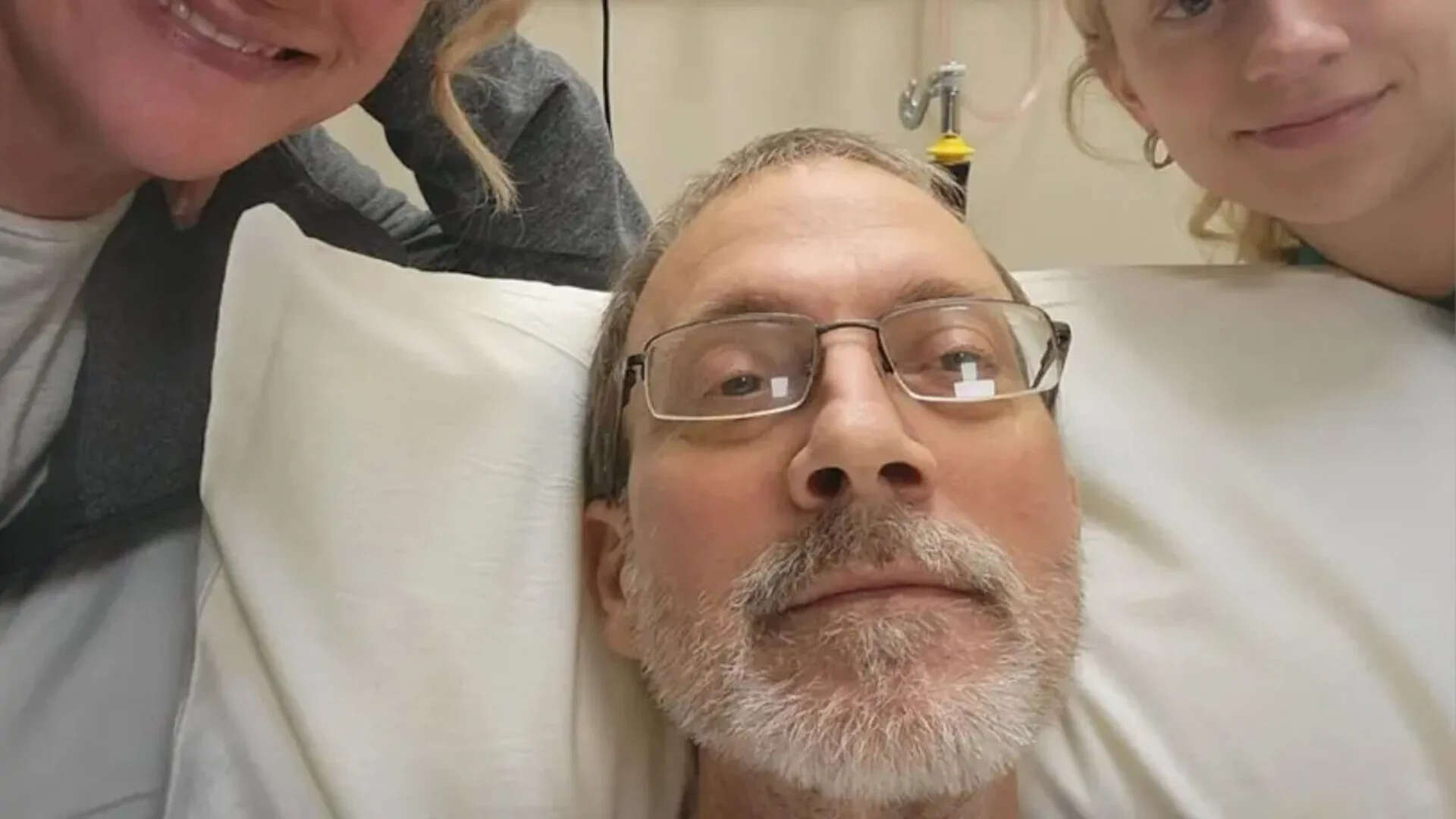
The death of a stage 4 cancer patient following an insurer’s refusal to cover specialized treatment is not an isolated tragedy. It is the predictable outcome of a system designed to prioritize actuarial stability over individual survival. When a carrier labels a physician-recommended procedure as "not medically necessary," they aren’t making a clinical judgment in the way a doctor does. They are applying a proprietary algorithm to a balance sheet.
In the case of the late Gene Vicino, a California man who fought for months to access a specific immunotherapy treatment, the barrier wasn’t a lack of medical evidence. It was the "prior authorization" wall. This administrative hurdle has evolved from a tool meant to prevent waste into a primary mechanism for cost containment. By the time the appeals were processed and the "not medically necessary" labels were challenged, the window for effective intervention had slammed shut. In other news, read about: Your Nutritionist is a Spreadsheet and Your AI is a Mirror.
The core of the crisis lies in the disconnect between rapid oncological breakthroughs and the glacial pace of insurance policy updates. Medicine moves at the speed of light; insurance moves at the speed of a courtroom.
The Prior Authorization Trap
Prior authorization was originally conceived to ensure that expensive treatments weren't being handed out like candy. If a doctor wanted to order an MRI for a stubbed toe, the insurer stepped in to say no. That made sense. But today, the process is used to gatekeep life-saving interventions for patients with zero other options. CDC has also covered this critical subject in extensive detail.
Statistics from the American Medical Association show that 94% of physicians report care delays associated with prior authorizations. More alarming is that roughly 80% of physicians say these requirements lead to patients abandoning their treatment altogether. For a stage 4 cancer patient, "abandoning treatment" is a euphemism for dying.
The delay is the point. In the insurance world, a delay often results in one of three things: the patient gets better on a cheaper drug, the patient’s employer switches insurance carriers, or the patient passes away. In all three scenarios, the insurer avoids paying for the high-cost treatment. This isn't a conspiracy theory; it’s a cold assessment of how "medical necessity" is defined by people who have never stepped foot in an exam room.
The Myth of Medical Necessity
When an insurer denies a claim, they often cite internal guidelines that they claim are based on peer-reviewed data. However, these guidelines are frequently more restrictive than the actual FDA labels or the National Comprehensive Cancer Network (NCCN) standards.
Consider the role of the "Medical Director" at these firms. These are often doctors who haven't practiced clinical medicine in years. They spend their days reviewing hundreds of cases, spending mere minutes on each. They look for specific keywords. If a doctor’s notes don't perfectly align with the insurer's internal checklist, the denial is automatic.
The burden then shifts to the patient and the provider. A primary care office or an oncology clinic must then dedicate dozens of hours to phone calls, faxes, and "peer-to-peer" reviews. This is a war of attrition. The insurer bets that the doctor’s office is too busy to fight and that the patient is too sick to scream.
Private Equity and the Bottom Line
The shift toward more aggressive denials coincides with the rise of private equity and public shareholders in the healthcare space. Large insurers are no longer just service providers; they are massive financial entities that must show quarter-over-quarter growth.
Cutting "medical spend" is the fastest way to boost a stock price. We see this in the massive increase in "automated" denials. Some insurers have been caught using AI-driven systems—distinctly different from clinical AI—that allow human directors to sign off on thousands of denials at a time without actually opening the patient’s file. This creates a bottleneck where the only way to get care is to sue, and most people don't have the time or money to take a multi-billion dollar corporation to court while they are undergoing chemotherapy.
The Failure of Regulatory Oversight
State and federal regulators have largely failed to close the loop on these practices. While some states have passed laws requiring insurers to respond to urgent requests within 24 hours, enforcement is toothless. The fines for non-compliance are often smaller than the cost of the treatment the insurer is trying to avoid paying for. It is simply a "cost of doing business."
ERISA, the federal law that governs many employer-sponsored health plans, provides a massive shield for insurers. Under ERISA, it is notoriously difficult to sue an insurer for damages resulting from a denial of care. Usually, the most a patient can win is the cost of the treatment itself—years after it would have been useful. This lack of punitive damages means there is no financial incentive for insurers to act in good faith.
The Toll on Providers
Doctors are burning out, but not just because of the long hours. They are burning out because they are being forced to watch their patients decline while they argue with an insurance representative who has a background in pediatrics about a complex neurosurgical procedure.
The moral injury inflicted on healthcare workers is immense. An oncologist knows exactly which drug could extend a life by eighteen months. They write the prescription. They wait. The denial comes back. They appeal. The denial is upheld. By the time the third appeal reaches an independent reviewer, the patient is in hospice. The oncologist is left to explain to a grieving family why the "gold standard" of care was withheld because of a technicality in a 400-page policy document.
Shifting the Burden
Patients are now being told to become their own advocates, but this is a cruel expectation. Expecting someone with late-stage cancer to navigate the labyrinth of insurance appeals is like asking a drowning man to build a raft.
The only way to break this cycle is to remove the financial incentive for denial. This requires a two-pronged approach. First, the "medical necessity" definitions must be standardized across the industry, tied strictly to NCCN and other independent clinical guidelines, rather than secret internal manuals. Second, we must eliminate the ERISA loophole that prevents families from seeking justice when a delay in coverage leads to a loss of life.
The Real Cost of "Savings"
Insurers argue that these controls keep premiums low for everyone else. This is a false choice. When we allow a system to sacrifice the few for the supposed benefit of the many, we aren't creating efficiency; we are creating a lottery where the prize is survival.
The money "saved" by denying a $150,000 immunotherapy treatment often ends up being spent anyway on emergency room visits, palliative care, and the massive administrative overhead required to manage the denial process itself. It is a shell game where the only real loser is the person in the hospital bed.
The death of patients like Gene Vicino should be a catalyst for a fundamental restructuring of how medical decisions are made. A doctor's prescription should not be a "request" that a corporation can veto without consequence. Until the legal and financial structures of the insurance industry are realigned with the actual goals of medicine, we will continue to see headlines about "unnecessary" deaths that were entirely preventable.
The math will keep working, but the patients will keep dying. We must decide if a insurance policy is a contract for care or a high-stakes gamble on how long a person can survive a delay.
If you or a family member are facing a denial for a critical treatment, do not wait for the formal appeal process to play out. Contact your state’s Department of Insurance immediately and request an "External Independent Review." This bypasses the insurer's internal bureaucrats and puts the decision in the hands of an independent doctor who is not on the company payroll. It is often the only way to get a "yes" before it is too late.