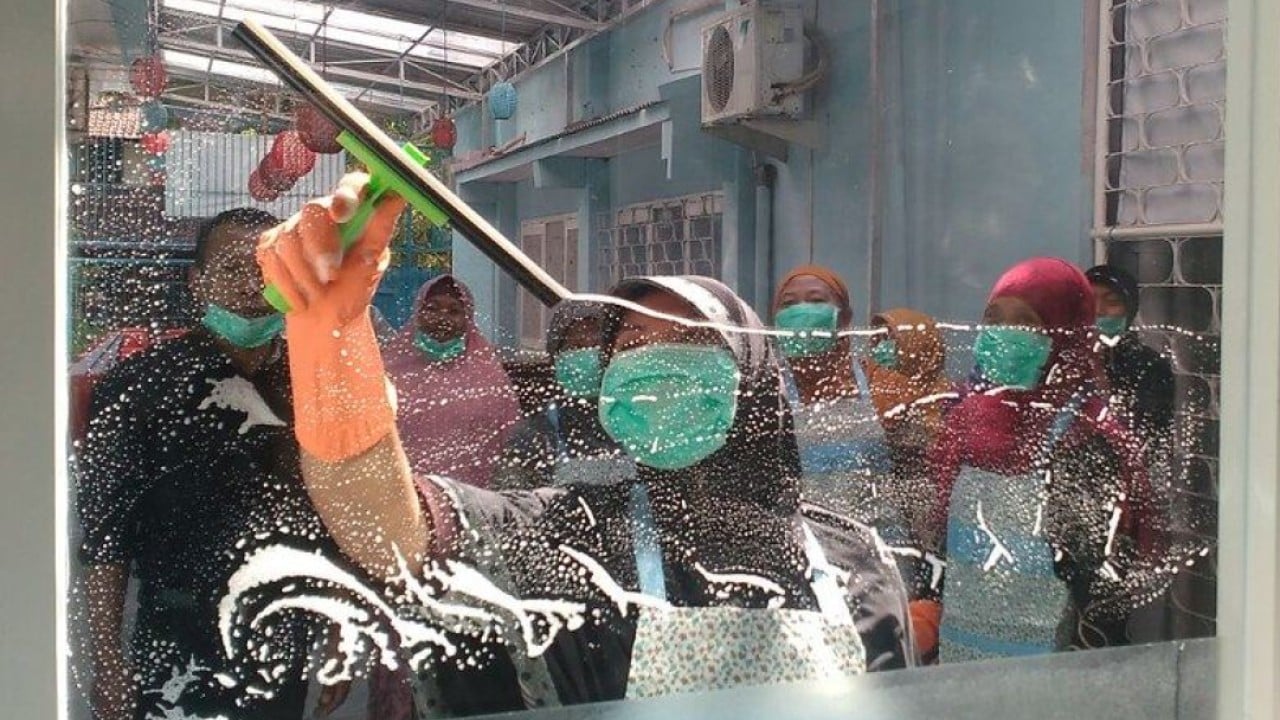
Indonesia is finally inching toward a legal framework for its nearly five million domestic workers after two decades of legislative paralysis. While rights groups are cheering this as a "new chapter," the reality on the ground suggests that a piece of paper in Jakarta will not instantly dissolve the feudal dynamics that define Indonesian household labor. The proposed Domestic Worker Protection Bill (RUU PPRT) aims to grant maids, nannies, and drivers the status of formal workers, theoretically providing them with standardized hours, social security, and protection from abuse. However, the true struggle is not just passing the law, but dismantling a private-sphere economy built on systemic invisibility.
For twenty years, this bill sat in a drawer. It wasn't stuck because of technicalities. It was stuck because the people who write the laws are the very people who employ these workers. In the Indonesian context, the "pembantu" or helper is often treated as part of the family—a euphemism that conveniently bypasses the need for a minimum wage or weekend breaks. By formalizing this relationship, the state is attempting to intrude into the sanctity of the middle-class home. This isn’t just a legal shift; it is a direct challenge to the domestic status quo that fuels the country’s professional class.
The Irony of the Family Status
The biggest hurdle to enforcing labor rights in the home is the cultural concept of kekeluargaan or the family principle. Employers argue that because they provide food, housing, and occasional medical help, they shouldn't be bound by rigid labor contracts. This sounds benevolent until a worker is denied the right to leave the house or is expected to work twenty hours a day during holiday seasons.
When a worker is "family," they have no recourse when the relationship sours. They don't have a union. They don't have a pay stub. The new bill attempts to bridge this gap by requiring written contracts, but many fear this will lead to a mass firing of workers as employers realize they can no longer afford the "luxury" of full-time help under formal labor rates. We are looking at a potential shock to the informal economy that has never been accounted for in national GDP calculations.
The Middleman Problem
While the law focuses on the employer-employee relationship, the shadowy world of recruitment agencies remains a significant blind spot. These agencies often act as gatekeepers, taking a cut of the worker's salary for the first several months and providing little to no oversight once the worker enters a home.
Most domestic workers come from impoverished rural areas in Central and Java or East Nusa Tenggara. They arrive in cities like Jakarta with no knowledge of their rights and a deep-seated debt to the agency that "placed" them. If the new legislation doesn't strictly regulate these middlemen, the law will be nothing more than a cosmetic fix. An agency can easily coach a worker to sign a contract they don't understand, or worse, threaten them with "replacement fees" if they complain about abuse.
Why Social Security is the Real Battlefield
The most tangible benefit of the RUU PPRT is the inclusion of domestic workers in BPJS, Indonesia’s national health and social security system. This is where the business of domestic work gets complicated. Who pays the premium? In a formal office, the company splits the cost with the employee. In a household, the employer—often a family already struggling with inflation—may balk at the additional monthly expense.
There is a legitimate risk that formalization will drive the industry further underground. Instead of hiring a live-in maid with a contract, families might shift to "gig" workers hired through apps or informal daily arrangements to avoid the legal entanglements of the new bill. This would create a two-tier system: a small group of protected, high-end domestic staff and a massive, precarious underclass of daily laborers with even less security than they have now.
The Enforcement Gap
How does the government plan to inspect a private kitchen? In a factory, labor inspectors can walk through the gates and check the logs. In a private residence, the fourth amendment-style privacy rights of the homeowner usually trump the labor rights of the cook. Without a massive increase in the number of labor inspectors and a specific mandate to enter private homes upon a complaint, the bill is effectively toothless.
Learning from the Region
Indonesia isn't the first to try this. The Philippines has the Batas Kasambahay, which has been in place for years. The results there are mixed. While it improved awareness, many workers still operate without contracts because the burden of filing paperwork is too high for both parties. Indonesia needs to avoid a system that is so bureaucratic it discourages compliance. A simple, mobile-based registration system for domestic contracts could be a start, but that requires a level of digital literacy and trust in government that isn't universal.
The Male Breadwinner Myth
Domestic work in Indonesia is overwhelmingly female. The resistance to this bill is rooted in a devaluing of "women's work." There is a persistent belief that cleaning, cooking, and childcare are natural extensions of a woman's role and therefore don't require professional-grade compensation.
By giving these tasks a legal price tag and a set of regulations, the state is forced to acknowledge that the entire economy rests on the unpaid or underpaid labor of women. If the domestic workers stop, the offices in Sudirman stop. The doctors, lawyers, and civil servants who rely on them would have to stay home. The RUU PPRT is, in many ways, a long-overdue invoice for decades of subsidized labor that has kept the Indonesian middle class afloat.
Beyond the Paperwork
If the bill passes, the next five years will be a period of intense friction. We will see lawsuits that test the definition of "reasonable hours." We will see "helper" agencies rebranding themselves as "domestic service providers" to skirt around certain clauses. We might even see a cultural shift where the live-in maid becomes a relic of the past, replaced by specialized, hourly services.
The road ahead isn't just long; it’s unmapped. Rights groups are celebrating a milestone, but the veteran eye sees the potential for a massive administrative backlog and a surge in hidden exploitation. The government’s victory lap is premature. The real work starts when the first domestic worker tries to sue their high-ranking employer for unpaid overtime. That is when we will see if the "new chapter" is a genuine legal revolution or just another well-meaning document designed to appease international human rights bodies.
Employers need to prepare for a world where their home is also a workplace. This means keeping records, setting boundaries, and acknowledging that the person washing their clothes is a professional, not a charity case. For the workers, the challenge will be organizing. Without a unionized voice, the protection offered by the law will remain theoretical. They need to move from being "helpers" to being "workers" in their own minds before the rest of society will follow suit.
Stop viewing the domestic worker as a peripheral character in the Indonesian growth story. They are the foundation. If this law fails to protect them, the foundation remains cracked, no matter how many skyscrapers rise in the new capital. Pass the bill, then build the infrastructure to actually police it. Anything less is just theater.