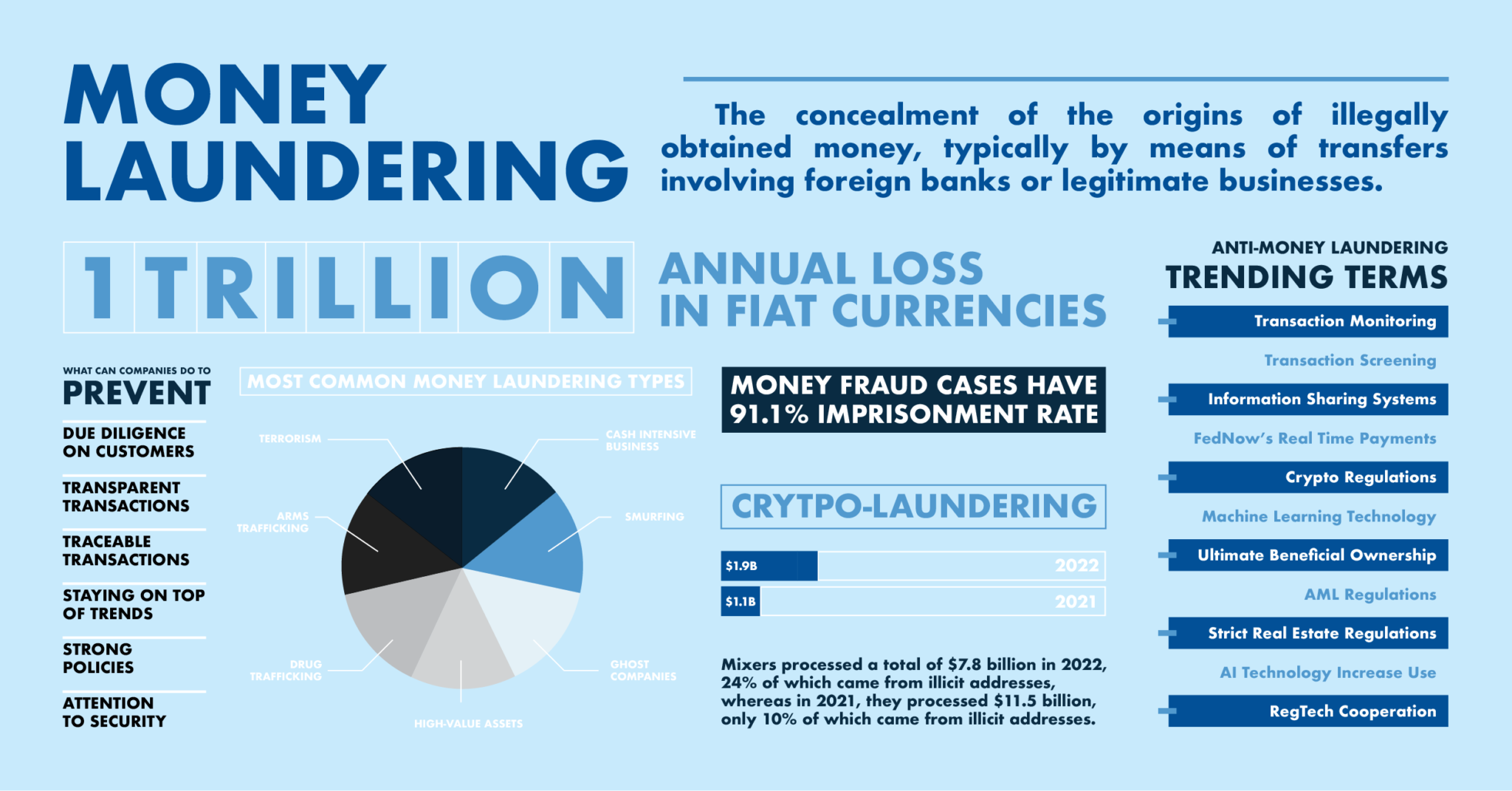
The headlines are screaming about a $25 billion hole in the Indian economy. Pundits point at the Reserve Bank of India (RBI) and demand more friction, more biometrics, and more "digital police." They want to treat a wildfire with a water pistol. They are missing the point entirely.
India didn’t lose $25 billion because its security is weak. India lost $25 billion because its digital infrastructure is too good.
We built the world’s most efficient, frictionless payment system in the Unified Payments Interface (UPI). Then we acted surprised when criminals used that efficiency to move money at the speed of light. The "crisis" isn't a failure of the system; it’s the logical tax on a society that moved from cash to cloud in less than a decade.
If you want to stop the fraud, you have to break the efficiency. And nobody—not the government, not the banks, and certainly not the consumers—actually wants to do that.
The Frictionless Trap
Every industry report treats "frictionless" as the holy grail. I have sat in boardrooms where executives cheered for reducing checkout times by three seconds. Those three seconds were where the thinking happened.
When you make it possible to send 100,000 rupees with two taps and a PIN, you have removed the biological circuit breaker of human hesitation. Digital fraud in India is a social engineering problem, not a technical one. You cannot patch a human being.
The current narrative suggests that AI-driven monitoring by the RBI or big banks will solve this. It won't. Fraudsters use the same LLMs and automation tools that banks use. It is an arms race where the attacker has zero overhead and the defender has to protect a billion endpoints. The math is permanently skewed in favor of the thief.
The Fallacy of the Vigilant Regulator
The RBI is currently tightening the screws on "mule accounts" and digital on-boarding. They are trying to build a fortress around a city that has no walls.
The $25 billion figure is a distraction. The real number we should look at is the cost of the proposed "solutions." If the central bank mandates more layers of authentication, the velocity of money slows down. In a developing economy, money velocity is life. If you add ten seconds of friction to every UPI transaction to save $25 billion, you might end up costing the GDP $50 billion in lost economic activity.
Regulators are obsessed with "security by design," but what we actually have is "vulnerability by adoption." We pushed 500 million people into a digital economy before they understood the difference between a "pay" request and a "receive" request. That isn't a security flaw. That is a pedagogical catastrophe.
Why Centralized Solutions are Dead on Arrival
The competitor's view is that a centralized "Fraud Registry" or a real-time reporting system will stem the tide. This is classic bureaucratic thinking: "If we have more data, we can stop the crime."
Information in a digital fraud case is only useful for the first sixty seconds. By the time a victim realizes they’ve been scammed, calls a helpline, and the bank flags the transaction, the money has already been layered through five different mule accounts and converted into crypto or untraceable gold.
- The Mule Factory: Rural India is being used as a massive "account farm." Criminals pay villagers a pittance to open accounts with their Aadhaar cards. These accounts are then used once and discarded.
- The Jurisdictional Nightmare: Scammers operate out of Jamtara or overseas. The police are local; the crime is global.
The RBI can't fix this because the RBI doesn't run the police force or the internet. They are trying to regulate a flood by checking the plumbing in one house.
The Uncomfortable Truth About Consumer Responsibility
We have created a culture of "Zero Liability." If a consumer gets scammed, the immediate instinct is to blame the bank for not stopping it. This creates a moral hazard.
When people believe the system is a safety net, they stop looking where they are walking. Imagine a scenario where banks only covered 50% of a fraud loss if the user ignored three distinct system warnings. The outcry would be massive. But the psychological shift would be instantaneous.
True security requires skin in the game. Right now, the consumer has the convenience, the bank has the liability, and the criminal has the cash. This is a broken triangle.
The Middle-Class Blind Spot
Most "anti-fraud" initiatives focus on technical literacy. They assume the victim is a grandmother who doesn't know how to use a smartphone.
I’ve seen data from major fintechs that shows a terrifying trend: the most frequent victims are often tech-savvy millennials and Gen Z. They aren't falling for "Nigerian Prince" emails; they are falling for sophisticated investment scams, fake job offers, and "instant credit" apps.
They are victims of their own overconfidence. They believe they are too smart to be scammed, which makes them the easiest targets. They provide their data willingly in exchange for the promise of high returns or quick "side hustles." This isn't a lack of digital literacy. It’s a surplus of digital greed.
Stop Trying to "Fix" Fraud
The $25 billion isn't going away. In fact, as India’s digital economy grows toward $1 trillion, the fraud numbers will likely hit $100 billion.
The focus shouldn't be on prevention—which is impossible in an open, frictionless system—but on containment and isolation.
- Programmable Money: We need accounts that can only send large sums to pre-approved "whitelisted" entities. If you want to send money to a stranger, it goes into a 4-hour escrow.
- Tiered Speed: If you want instant payments, you accept 0% liability for fraud. If you want 100% protection, your money moves at the speed of a 1990s wire transfer.
- The Identity Pivot: We need to stop using phone numbers and OTPs as the primary key for financial identity. SIM-swapping is too easy. Biometrics are being spoofed. We need hardware-level keys that exist on the device, not the network.
The RBI’s current path is a series of reactive band-aids on a systemic wound. They are fighting the last war. They are worried about unauthorized transactions, while the real threat is "authorized push payment" fraud—where the victim knowingly, but mistakenly, hits the "send" button.
You cannot regulate away a mistake. You can only make the mistake more expensive to commit.
The era of free, instant, and safe digital payments is an impossible trinity. You can have two, but never all three. India chose free and instant. Now, we are paying the price for the "safe" part in cold, hard cash.
The $25 billion isn't a loss. It's the subscription fee for the world's most advanced payment ecosystem. If you aren't willing to pay it, go back to paper.