Stability is the graveyard of explosive growth.
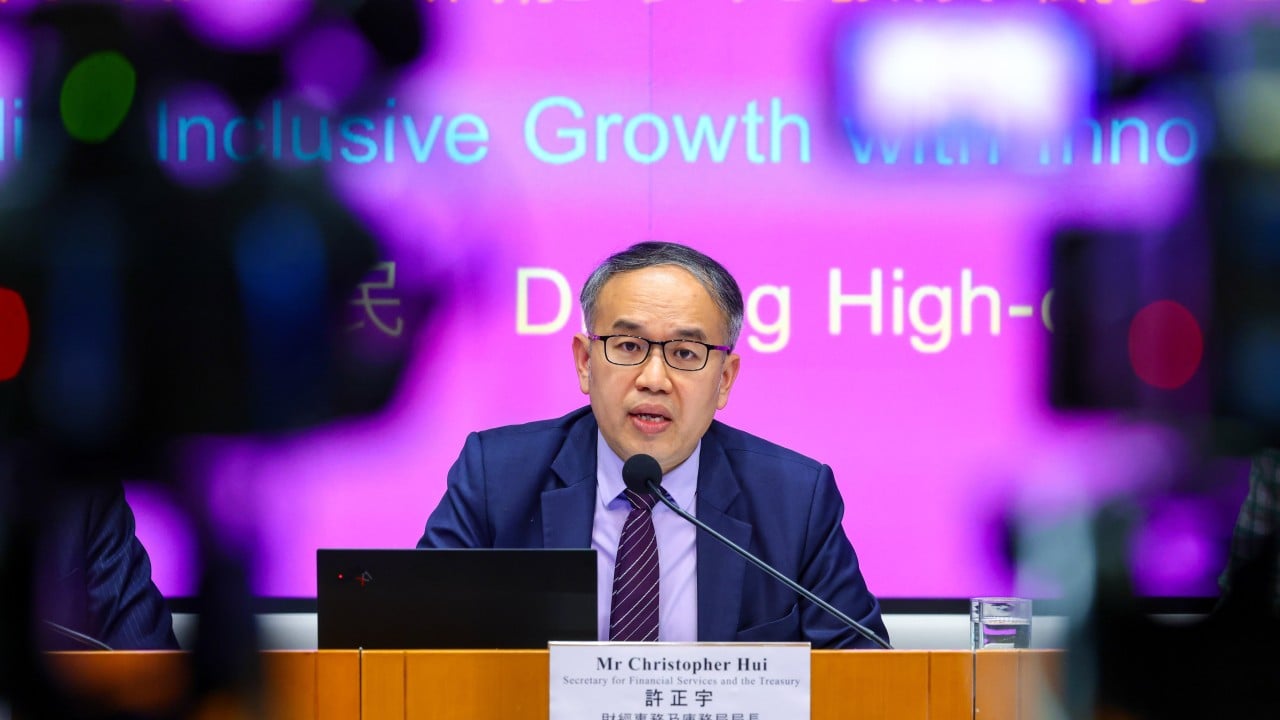
When labor officials point to the Middle East’s volatility as a reason for capital to flee toward the "safety" of Hong Kong, they aren't just selling a narrative; they are admitting a fundamental misunderstanding of how modern wealth is built. They want you to believe that peace is the precursor to profit. They are wrong.
Capital doesn't crave a library; it craves a casino where the rules are consistent but the stakes are high. By positioning Hong Kong as the "quiet alternative" to a turbulent West Asia, leadership is inadvertently branding the city as a retirement home for old money rather than a laboratory for new power.
The Geopolitical Arbitrage Fallacy
The current consensus suggests that because rockets are flying in the Levant, talent and treasury will naturally migrate to the serene skyscrapers of Central. This is a shallow reading of how global power works.
The Middle East isn't just a zone of conflict; it is currently the world's most aggressive venture capital fund. While Hong Kong focuses on "stability" and "harmony," Riyadh and Abu Dhabi are burning through trillions to rewrite the laws of physics, urban planning, and energy.
Risk-averse capital goes to Hong Kong to sit in a vault. Risk-hungry capital goes to the Middle East to build the impossible. If Hong Kong’s only selling point is that "nothing bad happens here," it becomes a secondary market—a place where you store the gains you made in more "dangerous" places. That is the definition of a decline.
Talent Doesn't Move for Peace
We are told that the "Top Talent Pass Scheme" will fill the void left by the brain drain of the last five years. The logic is simple: offer a visa to a graduate from a top-100 university, and they will bring their brainpower to our shores.
I have sat in boardrooms from London to Singapore, and I can tell you exactly what those high-performers are saying. They aren't looking for a city that guarantees a quiet life. They are looking for a city that offers a vertical trajectory.
The "stability" narrative actually repels the hyper-ambitious. Stability implies a fixed ceiling. It implies a bureaucratic grip that prioritizes the status quo over disruption. When the Middle East attracts talent, it does so by offering the chance to build Neom or lead massive sovereign wealth initiatives. When Hong Kong tries to attract talent, it talks about how safe the streets are.
Street safety doesn't build a $100 billion unicorn. Friction does.
The High Cost of a Managed Economy
There is a hidden tax on stability: the loss of the "wildcard" factor.
In the 1980s and 90s, Hong Kong wasn't stable. It was a chaotic, loud, dirty, and wildly unregulated frontier of British-governed Chinese entrepreneurship. It was the "wild east." You didn't come here because it was safe; you came here because you could get rich before the government realized what you were doing.
Today, the obsession with alignment and social cohesion has strangled that spirit. We have traded the volatility of growth for the certainty of a slow fade.
Consider the "Middle East opportunity" the labor minister mentions. He suggests that businesses in conflict zones will look to Hong Kong as a hub.
- The Reality: Businesses in Dubai and Doha are increasingly doing their own heavy lifting.
- The Friction: Hong Kong’s banking compliance has become so restrictive—partly in an effort to maintain "international stability" standards—that opening a corporate account for a foreign entity is now a six-month gauntlet of pain.
The "stability" we brag about is actually a thick layer of red tape designed to ensure nothing ever goes wrong. But in business, if nothing can go wrong, nothing can go spectacularly right.
Dismantling the "Safe Haven" Narrative
People also ask: "Is Hong Kong still a global financial center?"
The answer is yes, but it’s a different kind of center. It has shifted from being a global gateway to a regional vault. If you want to move money out of Mainland China, Hong Kong is the only door. That isn't a competitive advantage; that’s a monopoly on a single corridor.
A real global financial center competes on its ability to handle complexity and volatility. By highlighting the Middle East’s tensions as a win for Hong Kong, we are essentially saying, "We win because they are losing." That is a parasite’s strategy, not a leader’s.
If Hong Kong wants to actually dominate, it needs to stop being "safe" and start being "useful."
- Kill the Compliance Overhang: Stop trying to out-regulate New York and London. If we are stable, let that stability manifest as a rock-solid, hands-off legal environment where deals happen in hours, not months.
- Stop Chasing "Stability" Tourists: The people moving here because they are afraid of the Middle East are cowards. Cowards don't build industries. We need the mercenaries, the builders, and the people who are bored by peace.
- Accept the Friction: Growth is messy. It involves protest, disagreement, and the occasional market crash. A market that only goes sideways or slightly up under heavy management is a dead market.
The Brutal Truth About "Opportunities"
The labor minister talks about "opportunities" arising from Middle East tensions. This is predatory optimism. The real opportunity isn't in waiting for the Middle East to fail; it’s in out-competing them for the world’s most aggressive projects.
Right now, the capital flow is skewed. Wealth is moving toward the Gulf because they are offering a vision of the year 2050. Hong Kong is offering a vision of 2018 with better policing.
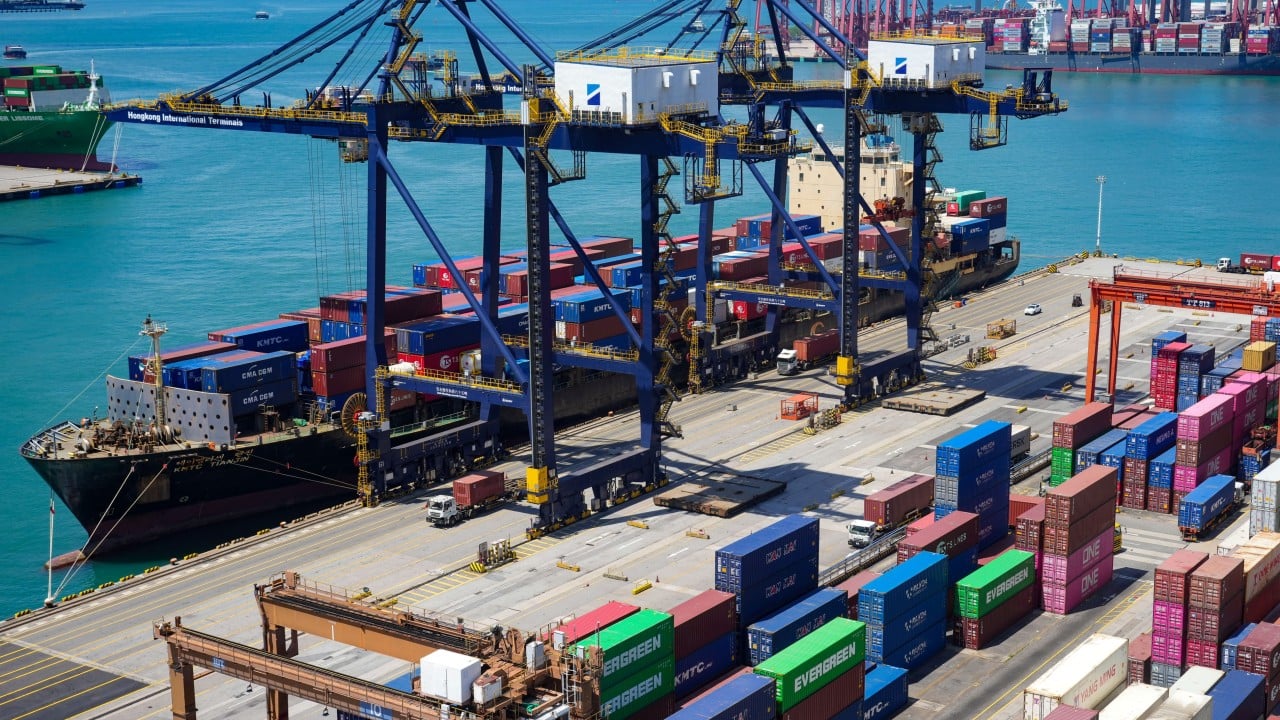
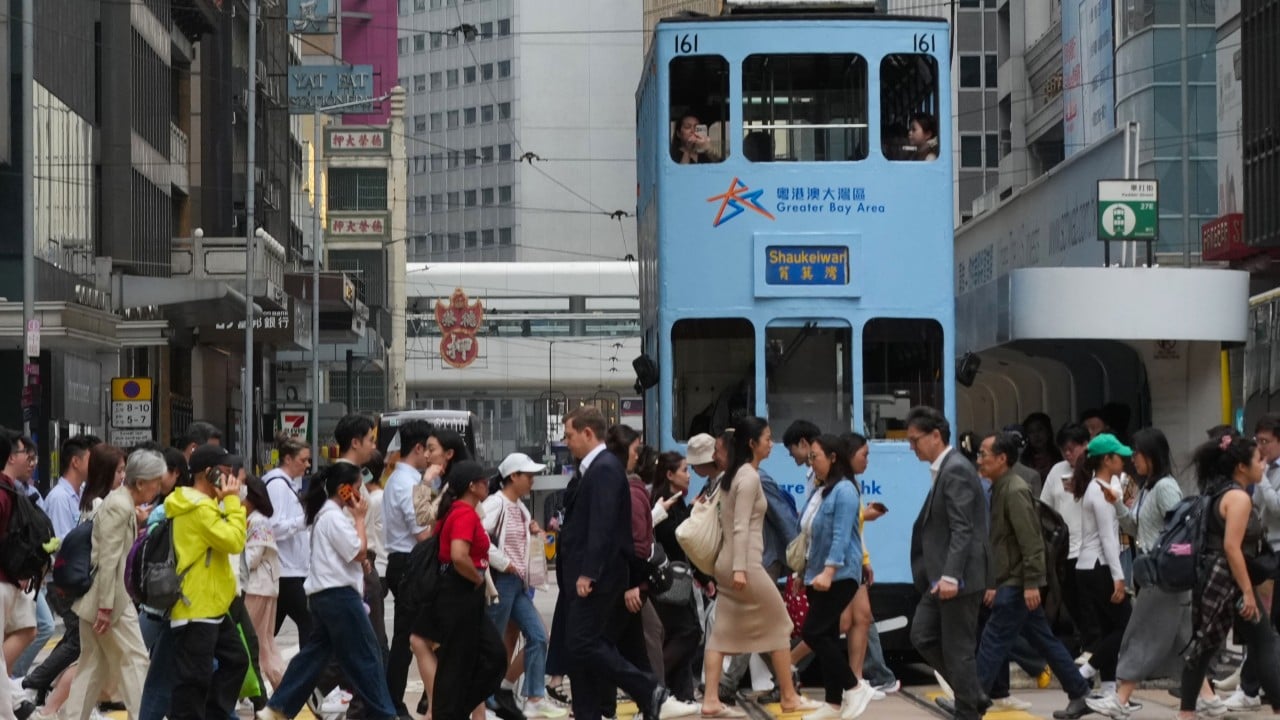
If you are a business owner, do not move to Hong Kong for the "stability." Move here if you can find a way to use its proximity to the Greater Bay Area to manufacture at a scale that makes the rest of the world look like a hobby shop. If you are moving here for "safety," you have already lost the competitive edge that made your business worth moving in the first place.
The Next Step for the Skeptical Investor
Look at your portfolio. If you are holding Hong Kong assets as a "defensive play" against global volatility, you are essentially betting on a slow-motion exit.
True alpha is found in the places everyone else is afraid of. The Middle East isn't a threat because of its "tensions"; it’s a threat because it has the stomach for the kind of risk Hong Kong has forgotten how to digest.
Stop asking if Hong Kong is safe. Start asking if it's still dangerous enough to be profitable.
If the government keeps promising us a "stable" and "harmonious" environment, run. You don't want a harmonious market. You want a market where you can win because you were smarter, faster, and more willing to break things than the person sitting across from you.
The minister is selling you a cushion. You should be looking for a sword.