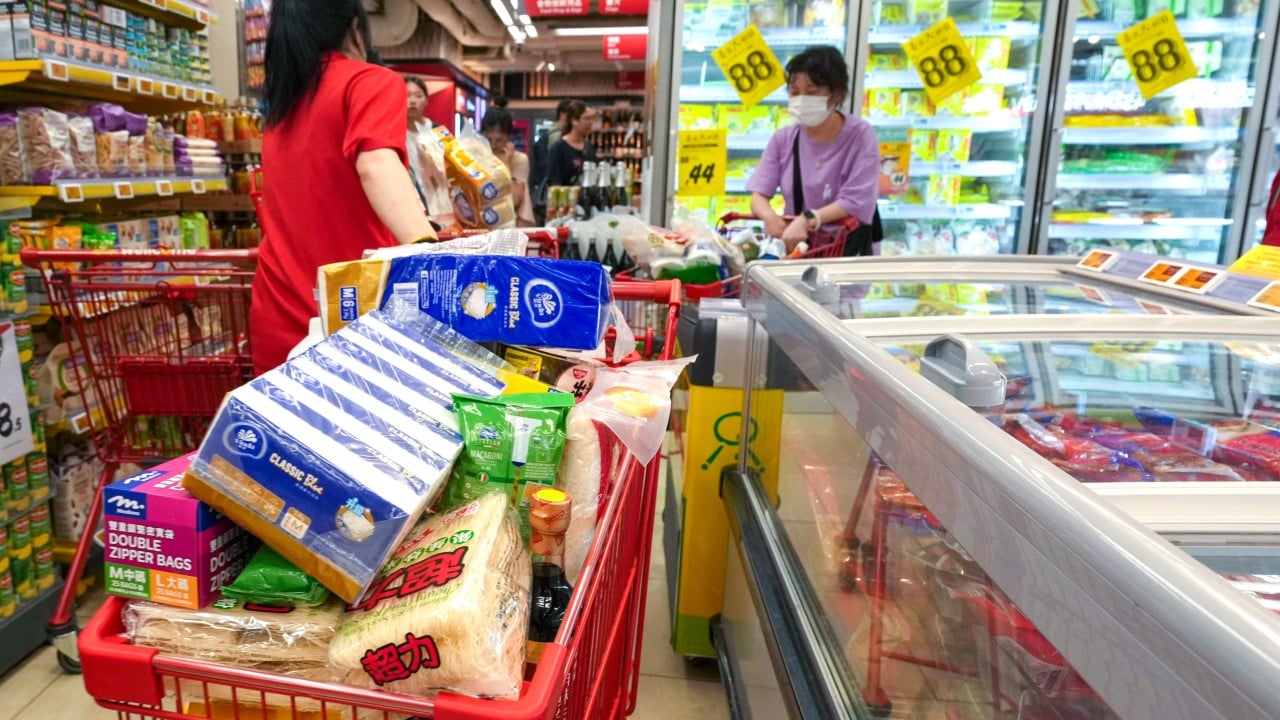
Hong Kong retailers aren't just sitting ducks while global conflicts and war-driven cost pressures squeeze their margins. They’re fighting back. If you think a shop in Causeway Bay is immune to the price of fuel in Europe or grain shortages in the Black Sea, you’re wrong. Local shops are currently facing a brutal reality where shipping costs spike overnight and raw materials become scarce. But the smartest players in the city aren't just raising prices and hoping customers don't notice. They’re changing how they buy, who they buy from, and how they use their size to bully—or persuade—suppliers into better deals.
The Brutal Reality of War Driven Costs
When we talk about geopolitical instability, we often focus on the headlines. We forget about the shipping container sitting in a harbor for three extra weeks. For a retailer in Hong Kong, that delay isn't just an inconvenience. It’s a cash flow nightmare. Energy prices are the invisible tax on every single item on a shelf. Refrigeration for supermarkets, lighting for luxury boutiques, and the fuel used by delivery vans all cost more when global markets are volatile. For an alternative look, read: this related article.
You see it at the grocery store first. Dairy products, bread, and imported meats are sensitive to these shocks. If a war disrupts a major shipping lane or a key fertilizer exporter, the ripple effect hits the Hong Kong port in a matter of months. Most businesses can’t absorb a 15% increase in logistics costs without bleeding out. They have to find a way to offset these pressures before the customer sees the price tag change.
Buying Power is the Only Real Shield
Scale is the best weapon in a crisis. Big groups like AS Watson or Dairy Farm International have an inherent advantage. When you're buying for thousands of outlets across Asia, you have a seat at the table that a small boutique simply doesn't. They use this volume to lock in long-term contracts. Further coverage regarding this has been shared by MarketWatch.
Think of it as a hedge. By committing to massive orders months or even years in advance, these giants get a fixed price. If the market price for plastic packaging or wheat goes up tomorrow because of a new conflict, these retailers are protected by their previous agreements. Smaller players don't have this luxury. They buy at "spot" prices, meaning they pay whatever the current, inflated rate happens to be. It’s a game of survival where the big get bigger because they can afford to wait out the storm.
Sourcing Beyond Traditional Borders
Hong Kong has long relied on a specific set of global partners. That’s changing. To offset war-driven cost pressures, sourcing managers are looking at "friend-shoring" and localizing where they can. If shipping a product from Europe becomes too expensive or risky due to closed airspace or blocked sea routes, they look toward Southeast Asia or Mainland China.
It’s not just about proximity. It’s about diversification. Relying on a single region for your inventory is a recipe for disaster in 2026. Retailers are now splitting their orders across multiple continents. If one route is cut off by a regional conflict, another remains open. It costs more to manage multiple suppliers, but it’s cheaper than having empty shelves. You’re seeing more "Made in Vietnam" or "Produced in Thailand" labels in places where you used to see European brands. This isn’t a coincidence. It’s a deliberate shift to keep costs manageable.
Efficiency as a Survival Tactic
When you can’t control the cost of the goods, you control the cost of the operation. Hong Kong’s retail sector is getting leaner. We’re seeing a massive push toward automation in warehouses. Why pay for rising labor and electricity costs when an AI-driven inventory system can reduce waste?
Food retailers are particularly aggressive here. They use data to predict exactly how much of a perishable item they need. If they over-order, they lose money. If they under-order, they lose sales. In a high-cost environment, "good enough" inventory management is a death sentence. They need to be perfect.
Negotiating with a Hammer
Retailers are also getting tougher with their suppliers. It’s a "share the pain" philosophy. A major retailer might tell a supplier that they won’t accept a price hike. Instead, they demand the supplier find their own efficiencies. It’s a high-stakes game of chicken. If the supplier says no, they lose access to the Hong Kong market. If they say yes, their own margins get squeezed. Usually, the party with the most data wins. Hong Kong retailers are currently obsessed with data because it proves where the fat can be trimmed in the supply chain.
The Private Label Pivot
One of the most effective ways to offset costs is to stop selling other people's brands. Private labels—products owned by the retailer themselves—offer much higher margins. You've seen this in ParknShop or Wellcome. Their home brands are often 20% cheaper than the big-name competitors, yet the retailer makes more profit on them.
By controlling the entire production process from the factory to the shelf, they cut out the middleman. They don't have to pay for a global brand's marketing budget or their corporate overhead. In a period of war-driven inflation, these private labels become a lifeline for price-sensitive shoppers. It keeps people coming through the doors even when their wallets are feeling the pinch.
Why Some Will Fail
Not everyone can pull this off. Small and medium enterprises (SMEs) in Hong Kong are in a tough spot. They don't have the scale to negotiate, and they don't have the capital to invest in massive private-label lines. For them, the only way out is specialization. If you can’t be the cheapest, you have to be the best or the most unique.
We’re likely to see a shakeout in the coming years. The mid-tier retailers who aren't big enough to dictate terms but aren't unique enough to command a premium will disappear. The retail environment is becoming a polarized world of giants and niche boutiques.
Actionable Steps for Retailers
If you’re running a business and feeling the heat, stop waiting for global politics to settle down. It won’t.
- Audit your shipping routes immediately. If you're relying on a single path, find a backup.
- Review your supplier contracts. Look for "force majeure" clauses and see where you can lock in prices for the next 12 months.
- Invest in your own brand. Even a small shop can create "signature" items that offer better margins than reselling big brands.
- Cut the waste. If you aren't using data to track every cent of your inventory, you're throwing money away.
The retailers winning in Hong Kong right now aren't lucky. They’re aggressive. They’ve accepted that the old world of stable, cheap global shipping is gone. They’re building a new model that thrives on volatility. You should do the same. Start by diversifying your supplier base today. Don't wait for the next shipping hike to realize you're over-leveraged on one region. Move your sourcing closer to home or spread it across three different continents. Balance is your only protection against a world that feels increasingly off-balance. Efficiency isn't a goal anymore; it's the bare minimum for staying open.