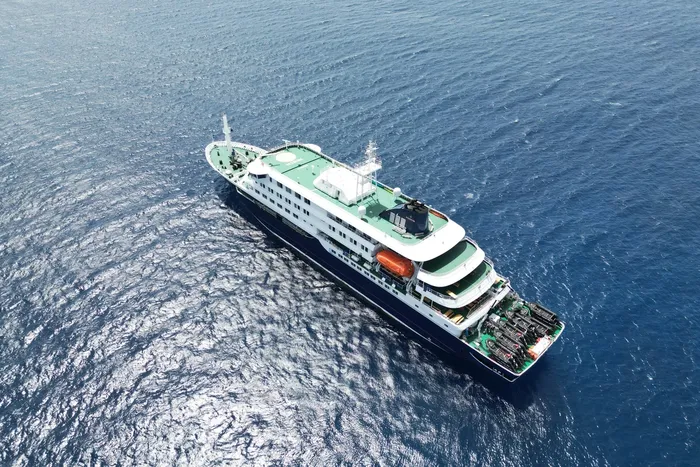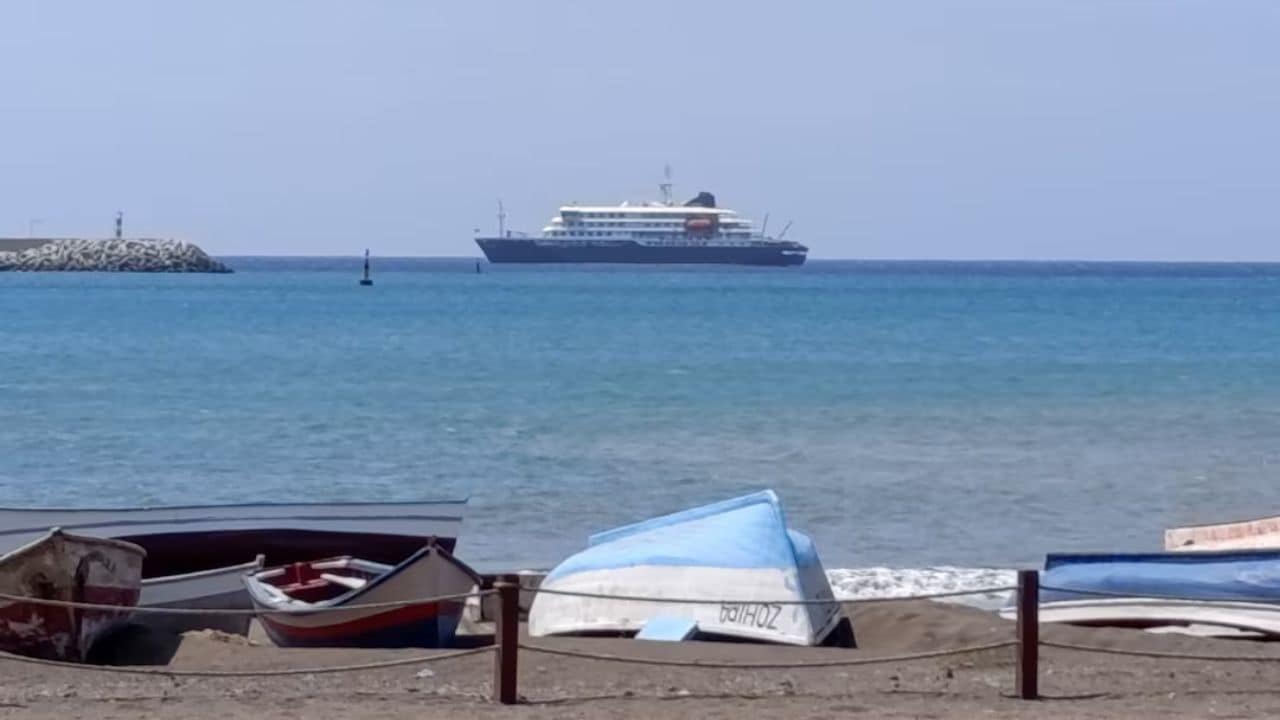
You’ve seen the headlines. There’s a suspected case of person-to-person hantavirus transmission on a cruise ship, and the internet is doing what it does best: panicking. Everyone remembers 2020. Any time the World Health Organization (WHO) mentions "human-to-human transmission" and "outbreak" in the same sentence, people start looking for where they stored their N95 masks.
But let’s breathe for a second.
Hantaviruses are nasty. They usually jump from rodents to humans through dried droppings or urine. It’s a "dead-end" infection most of the time, meaning once it hits a human, it stops there. The news that it might have hopped from one person to another on a ship sounds like a nightmare scenario. However, the actual risk to the general public remains incredibly low. I’ve followed infectious disease trends for years, and this isn't a "shut down the borders" moment. It’s a "science is doing its job" moment.
The Reality of Hantavirus on the High Seas
What actually happened? A passenger on a recent cruise fell ill with symptoms that looked like Hantavirus Pulmonary Syndrome (HPS). That’s a severe respiratory disease. The twist is that a close contact also showed symptoms. This triggered the WHO and local health authorities to investigate whether the virus mutated or if this was just a rare fluke.
Usually, you get hantavirus by cleaning out a dusty shed or camping in an area with a lot of deer mice. You breathe in the virus particles. It’s rare. It’s isolated. Seeing it on a cruise ship is weird because ships aren't exactly known for having massive wild rodent populations in the passenger cabins. This suggests the exposure might have happened before they even boarded, or there's a very specific, localized source on the vessel that health inspectors are currently tearing apart.
Understanding Human to Human Transmission
The reason everyone is spooked is a specific strain called the Andes virus. Found mostly in South America, the Andes virus is the only hantavirus known to spread between people. It doesn't do it well. You usually need prolonged, intimate contact. We’re talking about people living in the same tiny house or caring for a sick relative without protection.
If this cruise ship case involves the Andes strain, the "person-to-person" aspect is a known possibility, not a new superpower the virus just gained. The WHO is monitoring this because they have to, but the transmission efficiency is nothing like the flu or a cold. It’s clunky. It’s difficult. Most people on that ship will be perfectly fine.
Why You Don't Need to Cancel Your Vacation
Cruises are floating cities. They have some of the most rigorous sanitation protocols because of norovirus. When something like hantavirus pops up, the response is massive.
- Environmental cleaning. Teams aren't just wiping down counters; they’re using medical-grade disinfectants.
- Contact tracing. They know exactly who was in that cabin and who served them dinner.
- Quarantine. The suspected cases are isolated immediately.
The public risk is low because this isn't an airborne virus that lingers in the air conditioning for hours. You need to be right in the "splash zone" of bodily fluids or in very close quarters for a long time. Unless you were sharing a toothbrush with the patient, you’re likely in the clear.
The Symptoms You Actually Should Watch For
Don't mistake a common cold for hantavirus. The early symptoms are basically "flu-plus." You’ll get fever, severe muscle aches—especially in the thighs, hips, and back—and deep fatigue. About four to ten days later, the real trouble starts. Shortness of breath. A cough that feels like your lungs are filling with fluid.
Key Warning Signs
- Sudden, high fever.
- Muscle aches that make it hard to move.
- Severe abdominal pain (often mistaken for appendicitis).
- Dizziness and chills.
If you were on a ship or in a region known for hantavirus and you feel like you’ve been hit by a truck, go to the ER. Tell them where you’ve been. Early oxygen therapy is the difference between a scary story and a tragedy.
The Rodent Connection
Even with the person-to-person scare, rodents are still the primary villains. On a ship, this usually means stowaways in the cargo or food storage. Modern ships are great at pest control, but they aren't airtight boxes.
If you live in an area where hantavirus is endemic—like the American Southwest or parts of South America—the rules haven't changed. Don't vacuum mouse droppings. You’ll just kick the virus into the air. Wet them down with bleach first. Wear gloves. It’s simple stuff that saves lives.
What the WHO Isn't Saying Out Loud
Health organizations are cautious. They use words like "suspected" and "preliminary" because they don't want to cause a market crash or a travel ban unless it’s absolutely necessary. Behind the scenes, they’re sequencing the virus's genome. They’re looking to see if this specific strain has any mutations that make it stick to human lung receptors more easily.
So far? No evidence of that. This looks like a tragic, isolated incident involving a few people in close proximity. The "risk to the public is low" line isn't a platitude; it's based on the fact that this virus is historically bad at jumping from person to person.
How to Protect Yourself Now
If you have a cruise booked, go. If you’re hiking in the woods, go. Just be smart.
- Keep your hands clean. This sounds basic because it is. Soap destroys the fatty envelope of the virus.
- Avoid dusty, rodent-prone areas. If a cabin or a shed looks like it hasn't been touched since the 90s, stay out.
- Report symptoms early. Don't "tough it out." Hantavirus moves fast once it hits the lungs.
Stop scrolling through the doomsday threads. The experts are on the ship, the data is being crunched, and the virus is still, for now, a rare threat that prefers mice over humans. Pay attention to local health briefings, but don't let a "suspected" case ruin your week. If there was a real reason to stay home, the ships wouldn't be leaving the dock.
Wash your hands and stay informed through official channels like the CDC or WHO. Check their travel notices before you head out. If a specific vessel is flagged, they’ll let you know. Until then, the risk is a rounding error compared to the common flu.