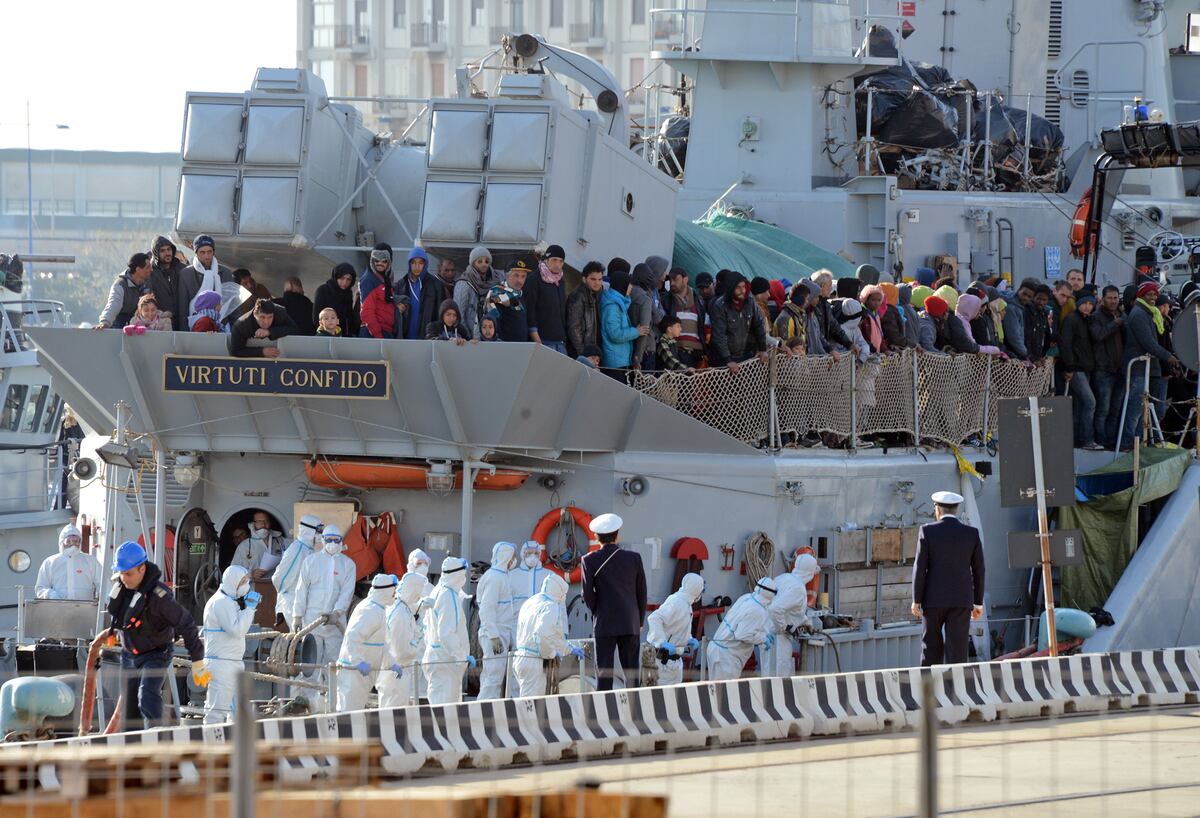
Haiti isn't fixed, but for the first time in years, the map isn't getting worse. The United Nations just dropped a massive update on the security situation in Port-au-Prince, and the headline is a weird mix of relief and dread. Gang expansion has finally hit a wall. After years of watching armed groups swallow neighborhood after neighborhood like an ink blot, the bleeding has stopped.
But don't start celebrating yet. Stopping a gang from taking new land isn't the same as getting them out of the house. The UN's latest report makes it clear: the threat hasn't vanished—it's just mutated.
The line in the sand has held
For the last few months, the Haitian National Police, backed by the newly minted Gang Suppression Force (GSF), have actually managed to hold their ground. You have to understand how big of a deal this is. For most of 2024 and 2025, the narrative was constant retreat. Now, the expansion into the capital's outskirts has stalled.
The GSF—which transitioned from the old Multinational Security Support mission—is finally putting boots on the ground that have teeth. They’ve reopened key roads in Port-au-Prince and parts of the Artibonite Department. If you're a local trying to move food or fuel, those open roads are the difference between eating and starving.
The police are more visible now. They’re motivated. They’ve even retaken pockets of downtown Port-au-Prince that were basically no-go zones a year ago. But here's the kicker: the gangs aren't running away. They’re digging in.
Violence by the numbers
If the expansion has stopped, why does it feel like the country is still on fire? Because the gangs are focused on "vertical" control instead of "horizontal" growth. They’re squeezing the people they already control even harder.
The statistics are gut-wrenching. Between March 2025 and mid-January 2026, over 5,500 people were killed. Think about that number. That’s not just "unrest." That's a war zone.
- Sexual violence as a weapon: This is the most horrific part. The UN documented over 1,500 victims of sexual violence in the last year alone, mostly women and girls targeted by gangs to "punish" neighborhoods that cooperate with the police.
- The child soldier crisis: Half of all gang members are now estimated to be children. Gangs are recruiting kids at a rate 700% higher than two years ago.
- The self-defense groups: Because the state was gone for so long, "popular justice" took over. Vigilante groups with machetes and stones are lynching anyone they suspect of being a gang member. It’s chaos fighting chaos.
The Viv Ansanm coalition is evolving
You might remember the "Viv Ansanm" coalition—that's the alliance of Haiti's most powerful gangs. They’ve moved past being a bunch of disorganized thugs. They’re now a structured criminal network. They have defined leadership, territorial ambitions, and revenue streams that don't just rely on kidnapping anymore.
They’re trafficking drugs, weapons, and ammunition through "weak" ports. They use offshore transfers to dodge sanctions. Honestly, they're operating more like a corporate entity than a street gang at this point.
While the GSF has stopped them from taking new territory, the gangs still control the majority of the capital. They’re using "strategic corridors" to keep the money flowing. They’ve basically built a state within a state.
Why the 2026 elections are a gamble
The UN is pushing hard for elections in 2026. On paper, it's the only way to restore "democratic institutions." In reality? It's a massive risk.
How do you set up a ballot box in a neighborhood where the local warlord decides who lives and dies? 6.4 million people—more than half the country—need humanitarian aid. When people are literally fighting for their next meal, voting for a parliamentarian isn't exactly top of mind.
There’s also the issue of the "Gang Suppression Force" itself. The UN Human Rights Office is already flagging instances of summary executions by security forces. If the GSF becomes just another group of guys with guns who kill without trials, the population will lose trust. And without the trust of the Haitian people, the whole mission collapses.
What actually needs to happen
If you're looking for a silver lining, it's that the "expansion" has stopped. That gives the government a tiny bit of breathing room. But "holding the line" is a temporary strategy.
- Cut the money: The gangs only exist because they can buy high-caliber weapons. Until the flow of illicit arms from outside sources—mostly via Florida—is actually choked off, the GSF is just playing whack-a-mole.
- Investment in youth: You can’t shoot your way out of a problem where half the "enemy" is under 18. Haiti needs massive rehabilitation programs for the kids who were forced into these groups.
- Judicial backbone: The UN report mentions that judicial progress on corruption and gang financing is almost zero. You can arrest the guy on the street, but if the person paying him is still sitting in a mansion in Pétion-Ville, nothing changes.
Don't let the "halted expansion" headlines fool you. Haiti is in a stalemate, and a stalemate in a humanitarian crisis is just a slow-motion catastrophe. The next few months will determine if the GSF can actually reclaim territory or if they’re just the new wardens of a giant prison.
If you're following this, watch the Artibonite Department. That’s the country's breadbasket. If the gangs keep their grip there, it won't matter how many roads are open in the capital—people will still be hungry.